Beyond Burns & Cuts: How to Prevent Slips, Trips, and Falls in Your Family Kitchen
Discover overlooked hazards! Learn practical strategies to prevent slips, trips, and falls in your busy family kitchen, keeping everyone safe and sound.
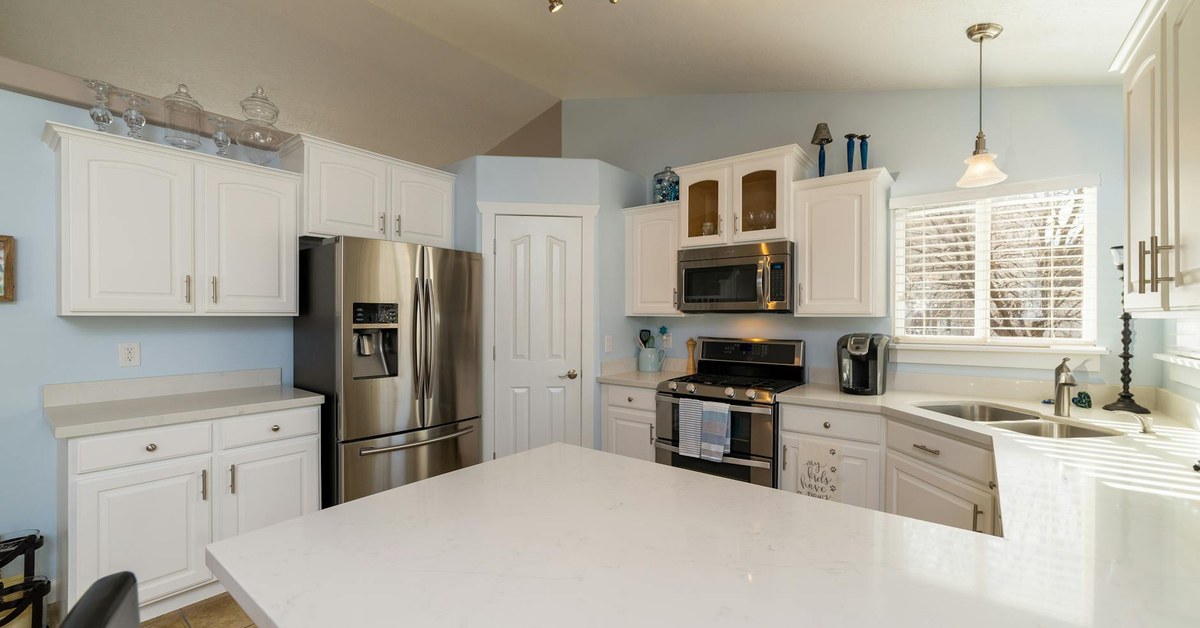

Beyond Burns & Cuts: How to Prevent Slips, Trips, and Falls in Your Family Kitchen
“Discover overlooked hazards! Learn practical strategies to prevent slips, trips, and falls in your busy family kitchen, keeping everyone safe and sound.”
The family kitchen is often the heart of the home, a bustling hub of cooking, eating, and socialising. While we frequently focus on preventing burns and cuts, the risk of slips, trips, and falls often goes overlooked. Yet, these incidents can lead to serious injuries, particularly for children and older adults. Learning how to prevent slips trips falls family kitchen is crucial for creating a truly safe environment where everyone can thrive. This article will explore common kitchen hazards and provide practical, actionable strategies to keep your loved ones safe.
Understanding the Hidden Hazards: Why Kitchens Pose a Fall Risk
Kitchens, by their very nature, present a unique combination of elements that increase the likelihood of falls. According to the Royal Society for the Prevention of Accidents (RoSPA), falls are the most common cause of accidental injury in the home, with kitchens frequently identified as high-risk areas. The presence of liquids, food debris, hard surfaces, and numerous obstacles creates a challenging environment.
Consider these common scenarios: * Spills: Water, oil, sauces, or dropped food can instantly make a floor slippery. * Clutter: Pots, pans, toys, bags, or even pet bowls left on the floor create tripping hazards. * Uneven Surfaces: Worn floor mats, loose rugs, or transitions between different flooring types can cause stumbles. * Poor Lighting: Dark corners or insufficient overall lighting can obscure hazards. * Reaching and Climbing: Children attempting to reach items, or adults stretching for high shelves, can lead to loss of balance. * Lack of Grip: Worn footwear or slippery socks on hard floors increase risk.
“Safety experts frequently highlight that vigilance and proactive measures are far more effective than reacting after an incident,” states a representative from the HomeSafe Editorial Team. “A safe kitchen is not just about avoiding immediate dangers, but about designing an environment that minimises potential accidents.”
Key Takeaway: The combination of hard surfaces, potential for spills, and numerous objects makes the kitchen a high-risk area for slips, trips, and falls. Proactive hazard identification is the first step in prevention.
Proactive Measures: Floor Safety and Spillage Management
Effective floor management is paramount for kitchen fall prevention. Addressing spills and ensuring secure flooring can dramatically reduce risks.
Implementing a “Clean as You Go” Policy
Encourage everyone in the family to clean up spills immediately. Keep absorbent cloths or paper towels readily accessible. For greasy spills, use a degreaser before wiping to ensure the surface is not left slick. For families with young children, teaching them to report spills even if they didn’t cause them can be a life-saving habit.
Choosing Safe Flooring and Mats
Hard, non-slip flooring materials are ideal for kitchens. If you have tiled or polished floors, consider using non-slip rugs or mats in high-traffic areas, especially near the sink and hob. Ensure these mats have rubberised backings to prevent them from sliding. Regularly check mats for curled edges, which can become tripping hazards.
Managing Wires and Cords
Kitchen appliances often have power cords that can snake across floors. Wherever possible, position appliances close to power outlets to minimise cord length. Use cable ties or cord management solutions to bundle and secure wires, keeping them off the floor and out of walkways. Never run cords under rugs, as this can damage the cord and create a tripping bulge.
Organisational Strategies: Decluttering and Accessibility
A well-organised kitchen is a safer kitchen. Reducing clutter and ensuring items are easily accessible can prevent many falls.
Regular Decluttering
Make it a routine to clear floors and countertops of unnecessary items. This includes bags, backpacks, toys, pet supplies, and even small appliances not in active use. A clear pathway through the kitchen is essential, especially when carrying hot food or heavy items. [INTERNAL: kitchen organisation tips for families]
Smart Storage Solutions
Store frequently used items at an accessible height, between waist and shoulder level, to avoid excessive reaching or bending. For items stored higher, use a sturdy, non-slip step stool with a handrail if possible. Teach children to use appropriate step stools designed for their size when they need to reach items. Ensure step stools are always placed on a dry, stable surface.
Child-Proofing and Age-Specific Guidance
Children’s natural curiosity can lead to risky behaviours. * Toddlers (1-3 years): Keep floors completely clear of small objects they might trip over. Use safety gates to restrict kitchen access during busy cooking times. * Pre-schoolers (4-5 years): Teach them about “no-go” zones in the kitchen, especially around hot appliances or wet floors. Involve them in age-appropriate tasks, always under supervision, teaching them to keep their workspace tidy. * School-aged children (6-12 years): Encourage them to put away items immediately after use. Teach them how to safely use a step stool and the importance of wiping up spills. The NSPCC highlights that involving children in safety discussions helps them understand risks and take responsibility.
Overlooked Factors: Lighting and Footwear
Sometimes the simplest things make the biggest difference in kitchen fall prevention.
Adequate Lighting
Ensure your kitchen is well-lit, particularly in task areas like preparation surfaces, the hob, and the sink. Consider adding under-cabinet lighting to illuminate work areas and eliminate shadows. Night lights can be useful for late-night trips to the kitchen, preventing stumbles in the dark. A well-lit space allows everyone to clearly see potential hazards.
Appropriate Footwear
The footwear worn in the kitchen significantly impacts safety. Encourage family members to wear shoes with good grip, especially on hard or potentially wet floors. Avoid wearing only socks, particularly slippery ones, or loose-fitting slippers that can catch or cause trips. This is particularly important for older adults, for whom falls can have more severe consequences.
Regular Maintenance and Checks
Maintaining your kitchen’s safety features is an ongoing process.
- Floor Inspection: Regularly check your kitchen floor for any loose tiles, worn linoleum, or damaged areas that could create uneven surfaces. Repair these promptly.
- Mat Condition: Inspect non-slip mats for wear and tear. Replace them if they become frayed, lose their grip, or have curled edges.
- Lighting Checks: Replace blown light bulbs immediately. Clean light fixtures periodically to ensure maximum illumination.
- Appliance Maintenance: Ensure appliances are in good working order and not leaking water or other substances onto the floor.
“A routine safety audit of your kitchen, perhaps once a month, can help identify and rectify potential hazards before they lead to an accident,” advises a representative from the Red Cross. “This proactive approach is a cornerstone of effective home safety management.” [INTERNAL: home safety checklist]
What to Do Next
Implementing these strategies will significantly enhance kitchen safety for your entire family. Take these concrete steps today:
- Conduct a Kitchen Safety Audit: Walk through your kitchen, identifying potential slip, trip, and fall hazards. Pay attention to floors, lighting, clutter, and storage.
- Establish a “Clean as You Go” Rule: Make it a family habit to wipe up spills immediately and put items away after use.
- Optimise Storage: Relocate frequently used items to easily accessible shelves and invest in a sturdy, non-slip step stool.
- Review Footwear and Lighting: Encourage appropriate footwear with good grip and ensure all kitchen areas are brightly lit.
- Educate Your Family: Discuss kitchen safety with all family members, explaining the risks and the importance of prevention.
Sources and Further Reading
- Royal Society for the Prevention of Accidents (RoSPA): www.rospa.com
- World Health Organisation (WHO) – Falls Prevention: www.who.int
- National Society for the Prevention of Cruelty to Children (NSPCC) – Child Safety at Home: www.nspcc.org.uk
- The Red Cross – First Aid and Safety: www.redcross.org.uk