Kitchen Safety for Families
The kitchen is the most dangerous room in your home. From scalds and burns to knife injuries and fires, this guide covers everything families need to know to keep everyone safe.
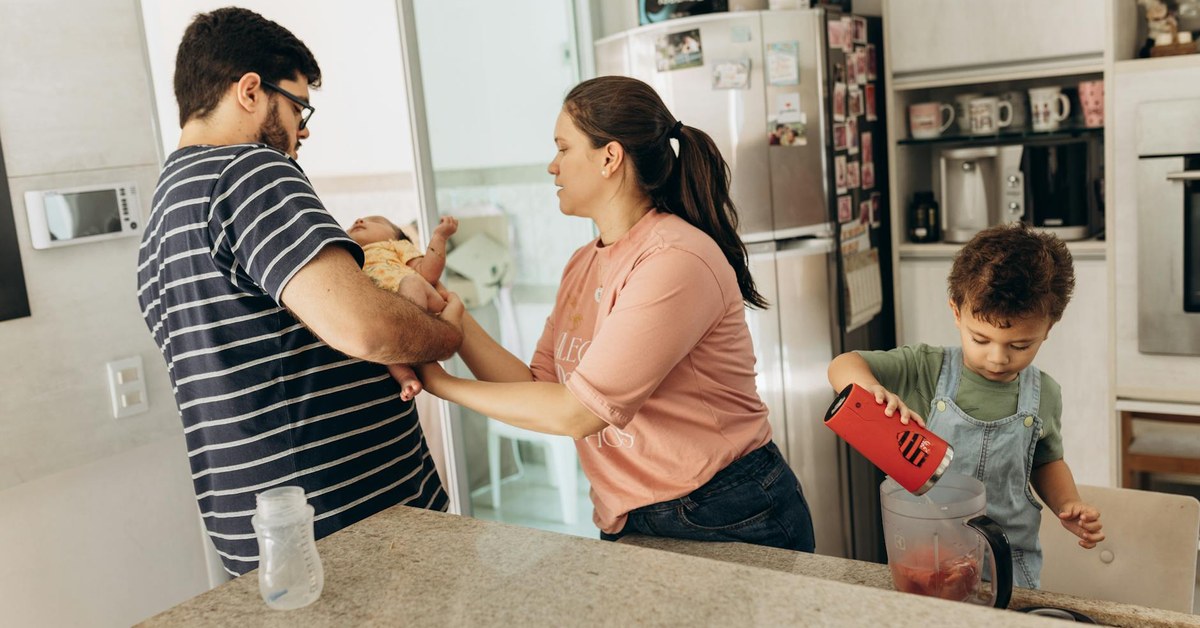

Kitchen Safety for Families
“The kitchen is the most dangerous room in your home. From scalds and burns to knife injuries and fires, this guide covers everything families need to know to keep everyone safe.”
The Kitchen: Your Home Most Dangerous Room
More accidents happen in the kitchen than in any other room in the house. According to the Royal Society for the Prevention of Accidents (RoSPA), over 67,000 people attend A&E each year in the UK due to accidents involving cookers, kettles, and kitchen appliances. For children under five, the kitchen is the single biggest source of serious burns and scalds.
None of this means you should keep your family out of the kitchen. Cooking together is one of the best ways to teach children life skills, build confidence, and spend quality time. But it does mean you need to understand the risks and manage them properly.
This guide breaks down the most common kitchen dangers by type and gives you practical steps to prevent each one.
Burns and Scalds: The Biggest Risk
Hot Liquids Are the Primary Danger
Scalds from hot drinks, boiling water, and steam cause more hospital admissions in young children than any other type of burn. A cup of tea can still scald a child fifteen minutes after it was made. A saucepan of boiling water pulled from a hob can cause life-changing injuries in under a second.
Keep hot drinks away from table edges and never hold a hot drink while carrying a child. When cooking, turn saucepan handles inward so they cannot be grabbed or knocked. Use the back burners of the hob whenever possible.
Oven and Hob Safety
Modern ovens can reach surface temperatures above 200 degrees Celsius. Even with built-in insulation, the door and surrounding surfaces can cause serious contact burns. Consider fitting an oven door guard if you have toddlers; these clip onto the oven and prevent small hands from touching the hot glass.
Teach older children that the hob stays hot long after the flame or element is turned off. Electric ceramic hobs are particularly deceptive because they can look cool while still being dangerously hot. If your hob has residual heat indicators, explain what they mean.
Steam Burns
Steam burns are often more severe than burns from boiling water because steam carries more energy. Always open saucepan lids away from your face and body. When draining pasta or vegetables, tilt the lid so steam escapes away from you. Keep children well back when you are draining anything.
Microwaves are a hidden steam hazard. Food heated in a microwave can create steam pockets that burst when pierced or stirred. Always pierce film lids before microwaving and let food stand for the recommended time before serving to children.
Fire Prevention in the Kitchen
Cooking Is the Number One Cause of House Fires
Over half of all house fires in the UK start in the kitchen, and the majority of those begin while food is being cooked. Chip pan fires alone account for around 12,000 call-outs per year, though deep fat fryers have reduced this figure significantly over the past decade.
Never leave cooking unattended on the hob. If you need to leave the room, turn off the heat. This single habit prevents more kitchen fires than any piece of equipment you could buy.
Oil and Fat Fires
If oil in a pan catches fire, do not throw water on it. Water hitting burning oil causes an explosive fireball that can fill the entire kitchen. Instead, turn off the heat if you can safely reach the controls. Place a damp (not wet) tea towel or a fire blanket over the pan to smother the flames. Leave it covered for at least thirty minutes; lifting the cover too soon re-introduces oxygen and can reignite the fire.
Keep a fire blanket mounted on the wall near your cooker (but not directly above it, where flames could prevent you from reaching it). A fire blanket is the single most useful piece of fire safety equipment for a kitchen.
Toasters, Grills, and Other Appliances
Crumbs accumulating in the bottom of a toaster are a fire hazard. Empty the crumb tray regularly and never poke a knife or fork into a toaster to retrieve stuck bread, especially while it is plugged in. If bread gets stuck, unplug the toaster and let it cool before carefully removing the bread.
Grill pans should be cleaned after every use. Built-up grease under a grill can ignite without warning. This is one of the most common sources of oven fires in UK homes.
Knife Safety
Sharp Knives Are Safer Than Blunt Ones
This sounds counterintuitive, but a sharp knife requires less force, which means more control and fewer slips. A blunt knife needs pressure, and when it slips, it moves fast and unpredictably. Keep your knives sharp and stored safely.
Use a knife block, magnetic wall strip, or blade guards. Never leave knives loose in a drawer where someone could reach in and grab a blade. If you have young children, store sharp knives in a high cupboard or locked drawer until they are old enough to learn safe handling.
Teaching Children to Use Knives Safely
Children as young as four can learn to use a table knife for spreading and cutting soft foods. By seven or eight, most children can handle a small, supervised chopping task with an appropriate knife. The key is matching the knife to the child and always supervising.
Teach the claw grip: curl the fingers of the non-cutting hand inward, using the knuckles as a guide for the blade. This keeps fingertips safely tucked away. Demonstrate it yourself every time you cook; children learn by watching.
Electrical Safety in the Kitchen
Water and Electricity Do Not Mix
Kitchens bring water and electrical appliances into close proximity, which is why kitchen electrical accidents are disproportionately common. Never touch electrical switches, plugs, or appliances with wet hands. Keep appliances away from the sink and draining areas.
Unplug small appliances (toasters, kettles, food processors) when not in use. This eliminates the risk of a child turning them on accidentally and reduces the chance of electrical faults causing a fire.
Extension Leads and Overloaded Sockets
The kitchen should ideally have enough built-in sockets for all regularly used appliances. If you are using extension leads or multi-plug adaptors, you may be overloading the circuit. A kettle alone draws around 3,000 watts; add a toaster and a microwave on the same extension lead and you are well over the safe limit.
Never run extension leads across the floor where they could be tripped over or splashed. If your kitchen lacks sockets, consider having an electrician install additional ones rather than relying on adaptors.
Poisoning Prevention
Cleaning Products Are the Hidden Kitchen Danger
Most families store cleaning products under the kitchen sink, which is exactly where a crawling baby or curious toddler will explore. Dishwasher tablets are particularly dangerous; they are brightly coloured, look like sweets, and contain highly concentrated alkali that can cause severe chemical burns to the mouth and throat.
Fit childproof locks on all under-sink cupboards. Better still, move cleaning products to a high cupboard that small children cannot reach. Store products in their original containers so that ingredients and first aid instructions are always visible.
What to Do if a Child Swallows a Cleaning Product
Do not make the child vomit. Some chemicals cause as much damage coming back up as they did going down. Note the product name and check the packaging for specific first aid advice. Call 999 or take the child to A&E immediately, bringing the product container with you so medical staff can identify the ingredients quickly.
Preventing Slips, Trips, and Falls
Kitchen Floors Get Slippery
Spilled water, cooking oil, and food debris all make kitchen floors hazardous. Clean up spills immediately, every time. Keep the floor clear of bags, toys, and obstacles, especially near the cooker and sink where you are most likely to be carrying hot items.
If you have older family members, consider the floor surface. Polished tiles can be treacherous when wet. Non-slip mats near the sink and cooker can reduce the risk, but make sure the mats themselves lie flat and do not create a new trip hazard.
Food Safety Basics
Cross-Contamination
Use separate chopping boards for raw meat and ready-to-eat foods. Colour-coded boards make this easy: red for raw meat, green for salad and vegetables. Wash hands thoroughly with soap after handling raw meat, poultry, or eggs, and before touching anything else.
Store raw meat on the lowest shelf of the fridge so it cannot drip onto other foods. This simple habit prevents the most common route of food poisoning contamination in home kitchens.
Age-Specific Kitchen Safety Tips
Under 5s
Use a stair gate to control access to the kitchen during cooking. Keep all hot drinks, sharp objects, and cleaning products out of reach. Never hold a child while cooking on the hob. Use back burners and turn pan handles inward.
Ages 5 to 11
Begin teaching kitchen skills with age-appropriate tasks. Washing vegetables, stirring cold ingredients, and measuring are good starting points. Introduce supervised cutting with appropriate knives around age seven. Teach them to never touch the hob or oven without permission.
Teens
Teenagers cooking independently should know how to handle a pan fire (smother, never use water on oil), use a microwave safely, and follow basic food hygiene. Make sure they know where the fire blanket is and how to use it. Discuss the dangers of distracted cooking; scrolling through a phone while frying food is how many kitchen fires start.
Older Adults
Consider easy-grip utensils, automatic kettle tippers, and cooker guards. If memory is a concern, a hob timer that automatically cuts the gas or electricity after a set period can prevent forgotten-pan fires. Good lighting is essential; many kitchen accidents happen because people cannot see what they are doing clearly.
Your Kitchen Safety Checklist
Walk through your kitchen with these questions. Is there a fire blanket within easy reach of the cooker? Are saucepan handles turned inward when cooking? Are cleaning products locked away or stored high? Do you have separate chopping boards for raw meat? Are electrical appliances unplugged when not in use? Is the floor clear of trip hazards? Do all family members know what to do if oil catches fire?
If you can answer yes to all of these, your kitchen is significantly safer than most. If not, each fix takes minutes but could prevent a trip to A&E, or worse.