Knife Crime Awareness for Young People
Knife crime affects young people in cities around the world, and the decisions made in critical moments can be life-changing. This guide gives young people and their families clear, honest information about knife crime and how to stay safe.
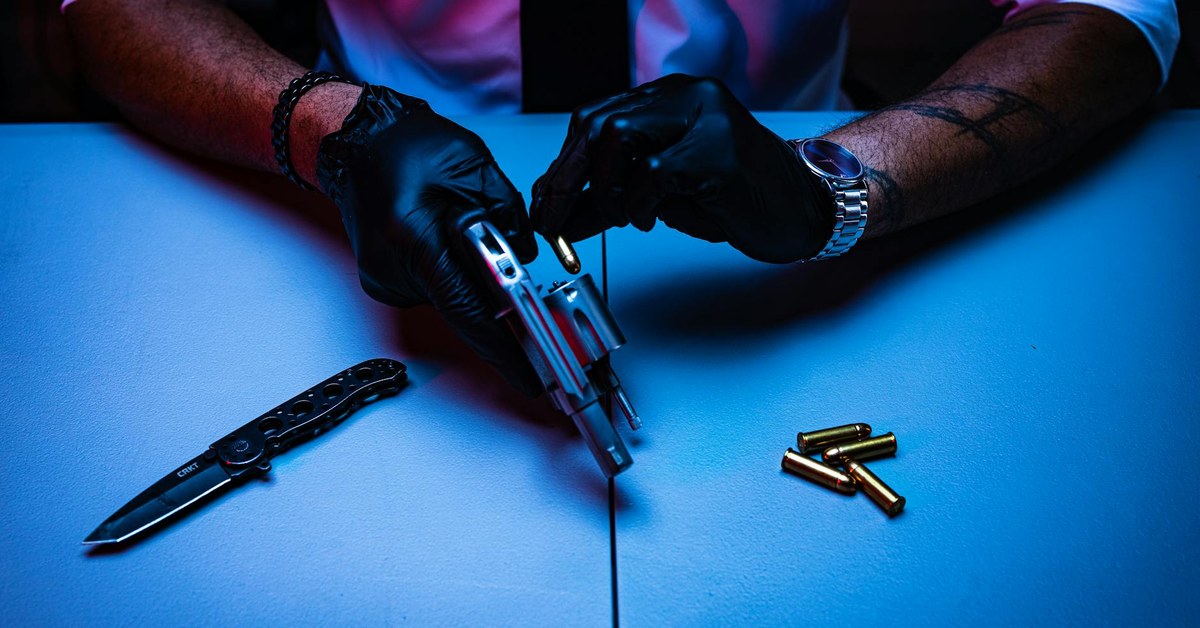

Knife Crime Awareness for Young People
“Knife crime affects young people in cities around the world, and the decisions made in critical moments can be life-changing. This guide gives young people and their families clear, honest information about knife crime and how to stay safe.”
Why Knife Crime Awareness Matters
Knife crime is a serious issue in many cities worldwide, and young people aged 10 to 24 are disproportionately both victims and perpetrators. In the UK, knife crime incidents involving young people have remained persistently elevated despite policy interventions. Across Europe, North America, Australia, and beyond, blade-related violence features consistently in the statistics of youth violence. Understanding this issue, including why young people carry knives, what the real risks are, and what can actually help, is essential for families, schools, and communities.
Knife crime awareness is not about frightening young people or treating them as suspects. It is about giving them honest information about risk, helping them navigate difficult situations safely, and supporting the development of communities where young people feel safe without weapons.
Why Young People Carry Knives
Young people who carry knives rarely do so because they intend to harm anyone. Research consistently shows that the most common reason young people give for carrying a knife is fear: fear of being attacked, fear of local gangs, and a belief that carrying a weapon makes them safer. This reasoning is fundamentally flawed, and the statistics demonstrate it clearly, but understanding it is essential for addressing the behaviour.
Other factors that contribute to knife carrying include: peer pressure and social norms within certain peer groups where carrying is seen as normal or expected; association with gang activity where carrying may be expected as a sign of loyalty or status; a history of being victimised that has created a persistent sense of threat; and exposure to violence at home or in the community that has created a normalised view of weapons as a necessary tool for personal security.
The reality that statistics consistently demonstrate is that carrying a knife increases rather than decreases the risk of being seriously harmed. Young people who carry knives are statistically more likely to be stabbed themselves, because they are more likely to be in situations where knives are present, more likely to escalate a confrontation, and more likely to have a weapon used against them in a struggle.
The Real Consequences of Carrying a Knife
Many young people who carry knives underestimate the legal consequences. In the UK, carrying a knife in public without good reason is a criminal offence for anyone over 10 years old, with potential custodial sentences even for a first offence. In most other countries, equivalent laws carry significant penalties. A criminal conviction for carrying a weapon can affect future employment, education opportunities, travel visas, and professional licensing for decades.
Beyond the legal consequences, carrying a knife carries genuine physical risk. A knife that is carried for protection can be used against its carrier in a confrontation. Young people who are carrying a weapon may become more likely to stay in or escalate a confrontation they might otherwise have walked away from, with potentially fatal consequences.
The psychological impact of being involved in knife violence, whether as a victim, a perpetrator, or a witness, can be profound and long-lasting. Trauma symptoms including PTSD, anxiety, hypervigilance, and depression are common outcomes of exposure to serious violence, and the support available to young people who have experienced it is often inadequate.
Staying Safe: Practical Strategies
For young people who are concerned about their safety in environments where knife violence is a genuine risk, there are practical strategies that are more effective than carrying a weapon.
Being aware of your environment means avoiding situations, routes, and locations associated with violence where possible. This does not mean never going out, but it does mean making conscious choices about when and where you go and who you go with. Travelling with trusted friends reduces individual vulnerability.
Trusting your instincts when a situation feels threatening is important. Many young people who are involved in knife incidents describe a sense before the situation escalated that something was wrong. Removing yourself from a situation that feels threatening before it escalates is always the right choice. It is never a sign of weakness to walk away.
Avoiding gang-associated spaces and groups, where the risk of knife violence is highest, is a significant protective factor. This can be difficult when these groups are present in a young person's school or immediate community, and may require adult help to navigate safely.
Telling a trusted adult if you are being pressured to carry a knife, threatened, or made to feel unsafe is important. Young people who feel they cannot tell an adult because they will be disbelieved, blamed, or put in a worse situation are navigating an extremely difficult position. Building trusting relationships with young people before they are in crisis is one of the most important things families and schools can do.
What to Do in an Emergency
If you witness or are involved in a knife incident, calling emergency services immediately is the priority. If someone has been stabbed, calling for help is more important than anything else. Do not attempt to remove a knife from a wound: this can cause life-threatening increased bleeding. Applying direct, firm pressure to the wound with any available material, while someone else calls emergency services, is the correct response until professional help arrives.
If you are threatened with a knife, giving up any valuables without resistance is always the right choice. No possession is worth risking your life. Compliance with a robbery demand while calling for help as soon as you are safe is far safer than confrontation.
How Families Can Help
Families who maintain open, non-judgmental communication about safety are better positioned to support young people who are navigating risky environments. If a young person indicates they feel unsafe, that they are being pressured by peers, or that they are aware of knife carrying in their social group, taking that seriously and working together to find responses is essential.
If you discover that a young person is carrying a knife, responding with concern for their safety rather than immediate punishment is more likely to produce an honest conversation about why they feel the need to carry. Understanding the fear that is driving the behaviour is the starting point for addressing it.
Working with schools, community organisations, and if necessary local authorities, to address the specific environments and peer dynamics that are driving unsafe behaviour is a longer-term approach that goes beyond individual family response. Knife crime is a community issue as much as an individual one, and community-level responses, including mentoring programmes, targeted youth work, and investment in positive opportunities for young people, are the most evidence-based approaches to sustained reduction.
Support for Young People Affected by Knife Crime
Young people who have been affected by knife crime, either as victims, witnesses, or as individuals who have been involved in carrying or using a weapon, need support that addresses both their immediate safety and their longer-term wellbeing. Specialist trauma-informed services, including those provided by voluntary sector organisations working in violence reduction, provide both practical guidance and emotional support.
In many countries, Violence Reduction Units and similar bodies bring together health, education, justice, and community organisations to provide coordinated support to young people at risk. These services are not punitive in their approach: they recognise that young people involved in knife crime are often themselves victims of the circumstances that drew them in, and that genuine safety comes from opportunity, belonging, and support rather than from prosecution alone.