Supporting LGBTQ+ Children and Teenagers: Safety
A compassionate guide for parents on supporting LGBTQ+ children and teenagers, covering how to create a safe and affirming home, understanding the specific risks these young people face, and how to advocate for your child at school and beyond.
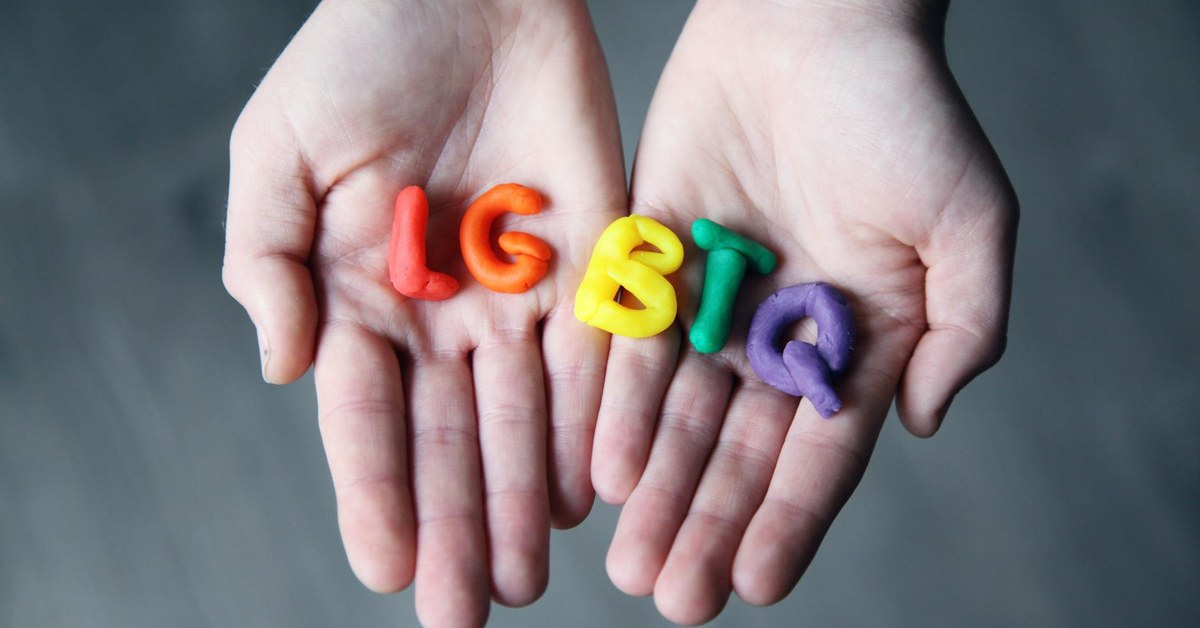

Supporting LGBTQ+ Children and Teenagers: Safety
“A compassionate guide for parents on supporting LGBTQ+ children and teenagers, covering how to create a safe and affirming home, understanding the specific risks these young people face, and how to advocate for your child at school and beyond.”
LGBTQ+ Young People and Family Support
Research across many countries and cultures consistently demonstrates that the single most important factor in the mental health and safety of LGBTQ+ young people is family acceptance. Young people who experience acceptance, affirmation, and love from their families have dramatically better outcomes than those who face rejection or conditional acceptance. The warmth and support of parents, whatever their own prior beliefs or feelings about their child's identity, is genuinely protective and, in many cases, lifesaving.
This guide is written for parents who want to understand and support their LGBTQ+ children and teenagers, whether they are navigating a disclosure, wondering about a child who may be questioning their identity, or looking for information to be a more informed and effective advocate.
Understanding Sexual Orientation and Gender Identity
Sexual orientation (who a person is attracted to) and gender identity (a person's internal sense of their own gender) are distinct aspects of identity that can vary independently. A brief overview of terms that parents may encounter:
- Gay or lesbian: A person attracted to people of the same gender
- Bisexual: A person attracted to people of more than one gender
- Transgender: A person whose gender identity differs from the sex they were assigned at birth
- Non-binary: A person whose gender identity does not fit neatly into the categories of male or female
- Queer: A broad, reclaimed umbrella term used by many LGBTQ+ people to describe identities outside heterosexual and cisgender norms
- Questioning: A person who is exploring or unsure of their sexual orientation or gender identity
These identities are real, not phases, not performances, and not the result of external influence. Research across decades and cultures shows that LGBTQ+ identities exist in human populations worldwide and are not amenable to change through therapy, pressure, or prayer. Conversion practices aimed at changing sexual orientation or gender identity are rejected by all major medical and psychological bodies and are associated with significant psychological harm.
When a Child Comes Out
A child or teenager who discloses their LGBTQ+ identity to a parent has made a decision that often involves considerable courage. Even in affirming families, the vulnerability of disclosure is significant. What you say and do in the first moments matters.
An affirming response does not require a parent to have all the answers or to immediately feel comfortable. What it requires is a genuine expression of love and continued acceptance. Responses that communicate this include:
- Thank you for telling me. I love you and that does not change anything.
- This does not change how I feel about you at all.
- I might need to learn more to understand fully, but I want you to know I am here for you.
Responses that cause harm, even when not intended to, include expressing disappointment or sadness in a way that centres the parent's feelings rather than the child's, suggesting that the child may change their mind, or treating the disclosure as a problem to be solved. A parent who needs time to process their own feelings is entitled to that time, but the child should not bear the weight of the parent's process.
The Safety and Wellbeing Risks LGBTQ+ Young People Face
LGBTQ+ young people face a significantly elevated risk of several serious safety and wellbeing concerns:
- Mental health: LGBTQ+ young people have higher rates of anxiety, depression, and self-harm than their non-LGBTQ+ peers. This is not an inherent feature of LGBTQ+ identity but is strongly associated with experiences of discrimination, rejection, and concealment. Family acceptance significantly reduces these risks.
- Bullying: LGBTQ+ young people are substantially more likely to experience bullying at school, both from peers and, in some cases, from adults. Homophobic and transphobic bullying is harmful in the same ways as any bullying and should be taken equally seriously by schools.
- Suicide risk: LGBTQ+ young people, particularly transgender teenagers, have elevated rates of suicidal ideation and attempts compared to the general population. Family rejection is a specific and significant risk factor. Family acceptance is a significant protective factor.
- Online risks: LGBTQ+ young people may seek community and connection online, which can be positive and supportive. However, they may also be more likely to interact with older adults in online spaces before being developmentally ready, partly because some do not feel safe being open about their identity in their offline community.
Creating a Safe Home
An affirming home environment is built through consistent, daily actions rather than a single conversation. Practical steps:
- Use the young person's chosen name and pronouns consistently, and gently correct other family members who do not.
- Treat their partner or romantic interest with the same warmth and curiosity as you would a heterosexual child's partner.
- Do not force them to come out to relatives or others before they are ready.
- Speak positively about LGBTQ+ people in general conversation, so that your child knows your home is a safe space regardless of their specific identity.
- Seek out information and support for yourself, so that you can support your child more effectively. LGBTQ+ family organisations and parent support groups exist in many countries and can provide guidance from others in similar situations.
Advocacy at School
Many LGBTQ+ young people face challenges at school that parents can play an active role in addressing. If your child is experiencing bullying related to their identity, report it to the school in writing and be explicit about the nature of the bullying. Expectations of school action on homophobic and transphobic bullying should be the same as for any other form of bullying.
If your transgender child needs support around uniform, toilets, or use of their name at school, meet with the school and, where relevant, come with any clinical guidance from the young person's medical team. Schools in many countries have specific obligations to support transgender students.
Keeping the Lines Open
The most protective thing a parent can offer an LGBTQ+ young person is a relationship in which the young person feels genuinely safe to be honest. This means showing interest in their life as it actually is, responding to difficult topics with curiosity rather than alarm, and repeatedly demonstrating that your love for them is not conditional on any aspect of who they are.
Parents do not need to understand everything, agree with everything, or have reached a place of full comfort to be a source of safety for their LGBTQ+ child. What matters most is that the child knows, without doubt, that you are on their side. That knowledge, sustained over time, is one of the most significant protective factors available to a young person navigating a world that can still be unkind to those who do not fit expected norms.