How to Maximize Reflective Clothing Effectiveness in Rain, Fog, and Low Light Conditions
Boost your road safety! Discover expert strategies to maximize reflective clothing visibility and effectiveness when cycling or walking in challenging rain, fog, and low-light conditions.
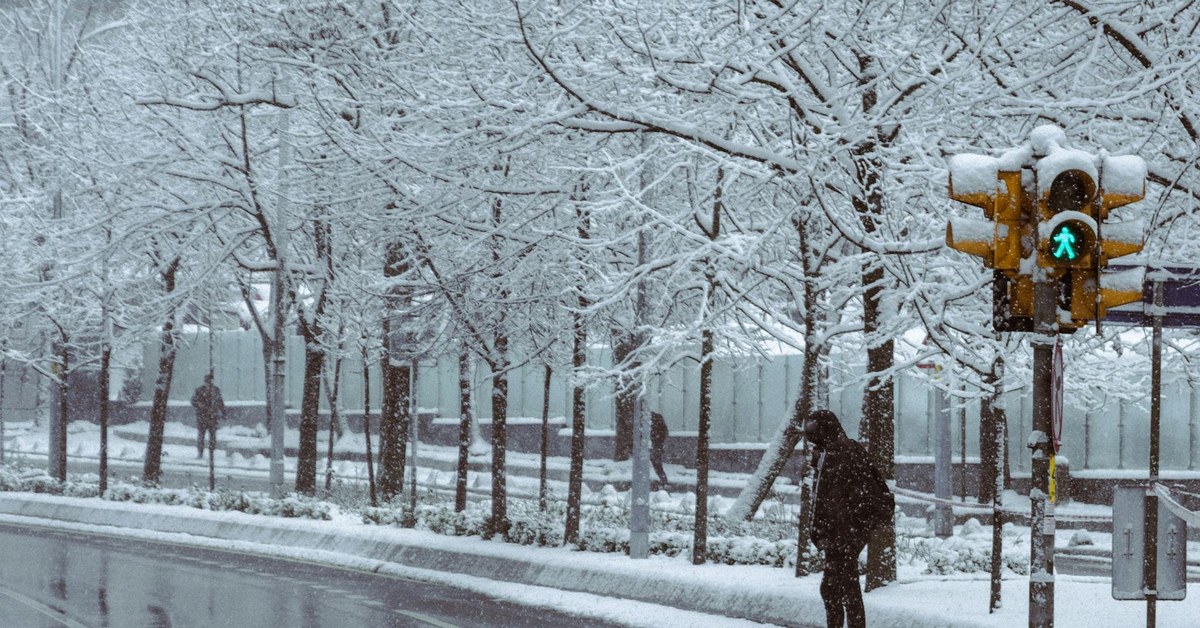

How to Maximize Reflective Clothing Effectiveness in Rain, Fog, and Low Light Conditions
“Boost your road safety! Discover expert strategies to maximize reflective clothing visibility and effectiveness when cycling or walking in challenging rain, fog, and low-light conditions.”
Ensuring personal safety when walking or cycling in challenging weather conditions is paramount. Learning how to maximize reflective clothing effectiveness in rain, fog, and low light conditions can significantly reduce risks and enhance visibility for everyone on the road. These adverse conditions severely limit a driver’s ability to see pedestrians and cyclists, making effective reflective gear not just an accessory, but a vital safety measure. This article provides actionable strategies to help you optimise your visibility and stay safer, whatever the weather brings.
Understanding Reflective Materials and Their Limitations
Reflective materials work by bouncing light from vehicle headlights back to the driver’s eyes, making the wearer stand out against dark backgrounds. However, their effectiveness can be compromised by environmental factors. Rain, fog, and mist scatter light, diminishing the intensity of the reflected light that reaches a driver. Dust and dirt on reflective surfaces also reduce their performance.
There are different types of reflective materials, each with varying properties: * Retroreflective materials: These are the most common and effective, reflecting light directly back to its source, regardless of the angle of incidence. They are often found in high-visibility clothing. * Fluorescent materials: These materials absorb invisible ultraviolet light and re-emit it as visible light, making them appear brighter during daylight hours, especially at dawn and dusk. They do not work in darkness without a light source. * Combined materials: Many modern safety garments combine fluorescent colours for daytime visibility with retroreflective strips for night-time and low-light conditions.
“A spokesperson for the World Health Organisation’s road safety initiative emphasises, ‘Visibility is paramount. Even a small increase in a pedestrian’s or cyclist’s conspicuity can dramatically reduce collision risk, especially when coupled with other safety behaviours.’”
To truly maximise reflective clothing effectiveness, it is crucial to understand that no single material is a magic bullet. A multi-faceted approach, combining material types and strategic placement, is always best.
Actionable next step: Check the labels of your reflective gear to understand the type of material used and its intended conditions for optimal performance.
Key Takeaway: Reflective materials are highly effective but are hindered by rain, fog, and dirt. Combining retroreflective for night and fluorescent for day/dusk offers the best all-round visibility.
Strategic Placement and Layering for Optimal Visibility
The placement of reflective elements is as important as the quality of the material itself. Movement is key; reflective materials placed on moving parts of the body are more noticeable than static ones.
Maximising Visibility in Wet Weather
Rain not only reduces visibility but also makes reflective surfaces wet, which can sometimes diminish their retroreflectivity. * Full coverage: Opt for full-body reflective rain gear, such as jackets and trousers, rather than just a vest. This ensures a larger surface area for light to reflect from. * Waterproof reflective fabrics: Invest in gear specifically designed to maintain reflectivity when wet. Some fabrics incorporate reflective threads directly into their weave, offering durable, all-over reflectivity. * Layering: Wear reflective outer layers over your regular clothing. This allows you to remove layers if the weather improves without losing your visibility. Ensure the reflective elements are not obscured by backpacks or other equipment. * Ankle and wrist bands: These are highly effective as they highlight movement. A 2022 study by the European Transport Safety Council found that pedestrians and cyclists are significantly more visible when wearing high-contrast and reflective clothing, reducing accident risk by up to 85% in low light conditions. Reflective bands on ankles and wrists create a distinct, moving light pattern that drivers recognise as a human form.
Enhancing Visibility in Fog and Low Light
Fog and low light scatter light more intensely than clear conditions, making objects appear hazy. * 360-degree reflectivity: Ensure your reflective clothing has strips on the front, back, and sides. This provides visibility from all angles, which is critical in unpredictable conditions. * High-contrast colours: While reflective strips are crucial for night, fluorescent colours (such as neon yellow, orange, or pink) enhance daytime and twilight visibility in fog. * Placement on extremities: Beyond wrists and ankles, consider reflective strips on elbows, knees, and even helmet covers. The more points of light that move, the easier you are to spot. * Reflective accessories: Don’t limit yourself to clothing. Attach reflective tape to bicycle frames, helmets, rucksacks, and even pet collars if you are walking with an animal. Head torches or clip-on LED lights can further enhance visibility by providing an active light source. [INTERNAL: choosing safe cycling routes]
Actionable next step: Evaluate your current reflective gear for 360-degree coverage and consider adding reflective armbands, ankle bands, or a reflective rucksack cover.
Maintaining Reflective Gear: Care and Inspection
The longevity and effectiveness of reflective clothing depend heavily on proper care and regular inspection. Dirt, abrasion, and improper washing can significantly degrade reflective properties.
Cleaning and Storage
- Follow manufacturer’s instructions: Always adhere to the washing and drying guidelines provided by the garment manufacturer. Harsh detergents, bleach, or high heat can damage reflective coatings.
- Gentle washing: Hand washing or using a delicate cycle with cold water is often recommended. Turn garments inside out to protect reflective strips from abrasion during washing.
- Air dry: Avoid tumble drying reflective clothing, as high heat can delaminate reflective layers or degrade their adhesive. Air dry garments away from direct sunlight.
- Clean dirt immediately: Mud, oil, and grime can obscure reflective surfaces. Clean these off promptly with a damp cloth to prevent them from setting in.
- Proper storage: Store reflective clothing in a clean, dry place away from direct sunlight, which can cause fluorescent colours to fade over time.
Regular Inspection
- Check for damage: Regularly inspect reflective strips for cracks, peeling, fading, or general wear. Damaged reflective elements will not perform effectively.
- Test reflectivity: Periodically test your gear’s reflectivity in a dark room using a torch. Hold the torch at eye level and shine it at the garment from a distance. The reflective parts should glow brightly. If they appear dull or patchy, it may be time for replacement.
- Assess fluorescent colours: For daytime and twilight gear, check if the fluorescent colours have faded. Faded colours lose their high-contrast properties, especially in misty or foggy conditions.
“A road safety expert at the Royal Society for the Prevention of Accidents (RoSPA) advises, ‘Even the highest quality reflective gear will lose its effectiveness if not maintained. Regular checks and correct cleaning are non-negotiable for prolonged safety.’”
Actionable next step: Establish a routine to inspect and test your reflective gear monthly, especially if you use it frequently in challenging conditions.
Age-Specific Considerations for Reflective Clothing
The needs for reflective clothing vary across different age groups, primarily due to differences in size, behaviour, and motor skills. Tailoring reflective strategies to these groups enhances their safety.
Children (Ages 3-10)
- High visibility and fun: Make reflective clothing appealing to children. Many brands offer jackets, rucksacks, and shoes with integrated reflective elements in child-friendly designs.
- Large surface area: Children are small, so ensure their reflective gear covers a significant portion of their body. Full reflective jackets or bibs are preferable.
- Moving parts: Reflective strips on sleeves, trousers, and shoes are particularly effective as children’s limbs are constantly in motion.
- Parental supervision: Even with optimal reflective gear, young children require close supervision when walking or cycling near roads. [INTERNAL: child road safety tips]
Teenagers (Ages 11-18)
- Peer influence: Teenagers may prioritise style over safety. Encourage them to choose reflective gear that integrates seamlessly with their personal style, such as reflective accents on casual jackets, trainers, or rucksacks.
- Independent travel: As teenagers gain more independence, they often travel alone in low light. Emphasise the importance of visible clothing for their own safety.
- Electronic devices: Many teenagers carry phones or wear headphones. Remind them that these can be distracting and reduce awareness, making reflective gear even more critical.
Adults
- Commuters and fitness enthusiasts: Adults who commute by bike or foot, or exercise outdoors, often face the most challenging conditions. Invest in high-quality, durable reflective clothing designed for performance and weather resistance.
- Professional standards: If working outdoors, ensure your reflective gear meets relevant safety standards (e.g., EN ISO 20471 for high-visibility clothing).
- Layering for versatility: Adults can benefit from modular systems, such as reflective vests that can be worn over any jacket, or interchangeable reflective panels.
Actionable next step: Review the reflective gear for each family member, ensuring it is appropriate for their age, activity, and typical travel conditions.
Combining Reflective Clothing with Other Safety Measures
While reflective clothing is a cornerstone of low-light safety, it is most effective when used in conjunction with other proactive measures. A holistic approach significantly enhances overall safety.
Active Lighting
- Front and rear lights: For cyclists, robust front and rear lights are mandatory in many regions and highly recommended everywhere. A bright white front light illuminates the path and signals presence, while a red rear light alerts drivers behind.
- Flashing lights: Consider using flashing modes for lights, especially in fog or heavy rain, as the pulsing pattern can be more attention-grabbing than a steady beam.
- Helmet lights: Many helmets now come with integrated lights or have mounts for clip-on lights, providing an elevated light source that is easier for drivers to spot.
- Wearable lights: Small LED clip-on lights can be attached to clothing, rucksacks, or even pet collars, creating additional points of light.
Route Planning and Behaviour
- Choose well-lit routes: Whenever possible, plan routes that are well-lit and have pavements or dedicated cycle paths.
- Avoid distractions: Put away mobile phones and avoid wearing headphones that might obscure ambient sounds of traffic.
- Make eye contact: Whenever possible, make eye contact with drivers to ensure they have seen you before proceeding.
- Understand traffic flow: Be aware of typical traffic patterns and avoid busy roads during peak hours in poor conditions if alternative routes exist.
Group Safety
- Travel in groups: When walking or cycling with others, stay together. A group is generally more visible than an individual.
- Designate a leader and follower: In a group, the person at the front and back should have the most visible gear and potentially extra lights.
By integrating these strategies, you create multiple layers of protection, significantly improving your chances of being seen and staying safe. Organisations like Cycling UK and Brake consistently advocate for a combination of reflective gear, active lighting, and vigilant behaviour for all road users.
Actionable next step: Invest in reliable bicycle lights or wearable LED lights to complement your reflective clothing, especially for night-time or low-light use.
What to Do Next
- Assess Your Current Gear: Lay out all your reflective clothing and accessories. Check for 360-degree coverage, damage, and effective reflectivity using a torch in a dark room. Replace any items that are faded or damaged.
- Upgrade Strategically: Identify gaps in your current safety setup. Consider adding reflective armbands, ankle bands, a helmet cover, or clip-on LED lights to enhance visibility on moving parts.
- Implement a Maintenance Routine: Establish a regular schedule for cleaning and inspecting your reflective gear according to manufacturer guidelines to ensure its longevity and performance.
- Review Family Needs: Discuss road safety and the importance of visibility with all family members, ensuring each person has appropriate and well-maintained reflective clothing for their activities and age.
- Practise Safe Habits: Always combine reflective clothing with active lighting and vigilant behaviour, such as making eye contact with drivers and avoiding distractions, to create the most robust safety strategy.
Sources and Further Reading
- World Health Organisation (WHO) – Road Safety: www.who.int/news-room/fact-sheets/detail/road-traffic-injuries
- Royal Society for the Prevention of Accidents (RoSPA) – Cycling and Walking Safety: www.rospa.com
- Cycling UK – Advice on Lights and Reflectives: www.cyclinguk.org/advice/lights-and-reflectives
- Brake – The Road Safety Charity – Pedestrian Safety: www.brake.org.uk/road-safety-advice/pedestrian-safety
- European Transport Safety Council (ETSC) – Pedestrian and Cyclist Safety: www.etsc.eu