Mindfulness Strategies for Kids: Navigating Friendships, Peer Pressure, and Building Social Confidence
Discover practical mindfulness strategies to help your child navigate friendships, cope with peer pressure, and build lasting social confidence.
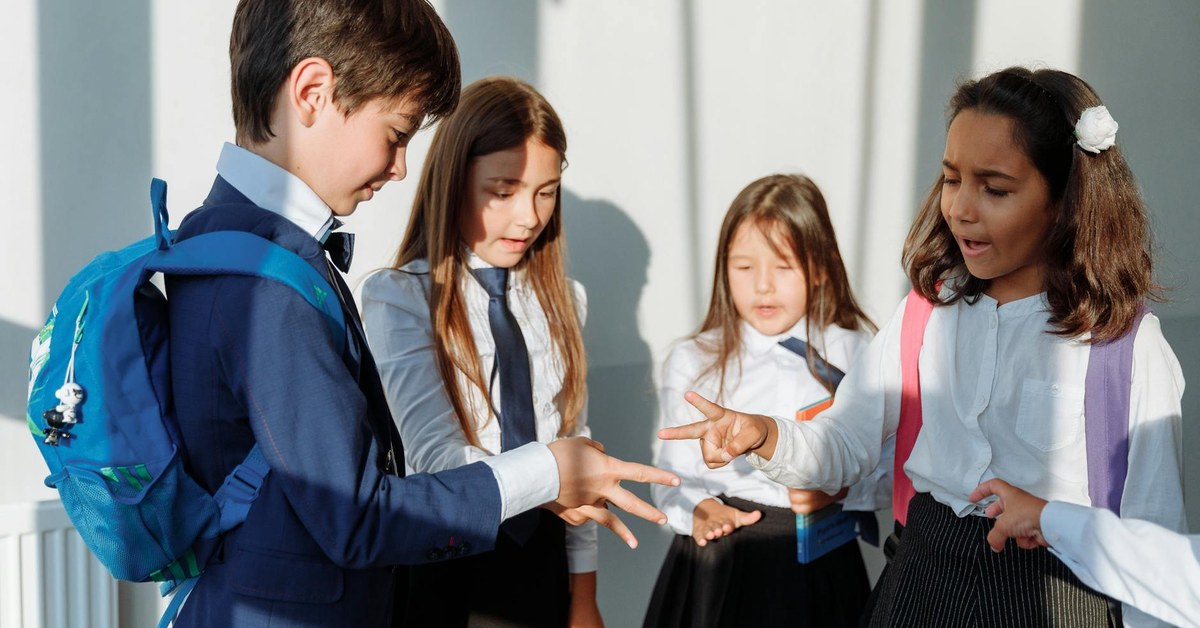

Mindfulness Strategies for Kids: Navigating Friendships, Peer Pressure, and Building Social Confidence
“Discover practical mindfulness strategies to help your child navigate friendships, cope with peer pressure, and build lasting social confidence.”
Childhood and adolescence are pivotal periods for social development, often bringing both joy and challenges. Learning to form healthy friendships, manage peer pressure, and develop robust social confidence are essential life skills. Integrating mindfulness for children’s social skills offers powerful tools to help young people navigate these complex dynamics with greater ease and resilience. By cultivating present-moment awareness, children can better understand their own emotions and reactions, and respond more thoughtfully to the world around them.
Understanding Mindfulness for Children’s Social Skills
Mindfulness is the practice of paying attention to the present moment without judgement. For children, this translates into being more aware of their thoughts, feelings, and bodily sensations as they occur, rather than being swept away by them. When applied to social situations, mindfulness helps children develop crucial emotional intelligence, empathy, and self-regulation.
According to a 2022 report by the World Health Organisation (WHO), mental health conditions account for 13% of the global burden of disease in adolescents aged 10-19 years, with social anxiety often playing a significant role. Teaching mindfulness can equip children with proactive strategies to manage these pressures. It is not about stopping difficult feelings, but rather about learning to observe them and choose a constructive response.
“An educational psychologist notes, ‘Mindfulness teaches children to pause before reacting, a crucial skill for navigating complex social dynamics. This pause creates space for a child to consider their values and make choices aligned with their authentic self, rather than simply reacting to external pressures.’”
How Mindfulness Enhances Social Development
- Emotional Regulation: Children learn to recognise and understand their emotions, reducing impulsive reactions during social conflicts or stressful interactions.
- Empathy: By becoming more attuned to their own internal states, children can better understand and relate to the feelings of others.
- Active Listening: Mindfulness encourages focused attention, improving a child’s ability to truly hear and comprehend what others are communicating.
- Self-Awareness: Children gain insight into their strengths, weaknesses, and personal boundaries, which is fundamental for healthy relationships.
Key Takeaway: Mindfulness provides children with the internal tools to observe their emotions and thoughts, fostering self-awareness and enabling more considered responses in social situations.
Mindfulness for Building Strong Friendships
Strong friendships are cornerstones of a child’s wellbeing, offering support, companionship, and opportunities for growth. Mindfulness can significantly enhance a child’s ability to form and maintain these vital connections.
Cultivating Empathy and Connection
Mindfulness practices can help children step outside their own perspective and genuinely consider the feelings of their friends. This involves:
- Noticing Body Language: Encouraging children to observe non-verbal cues in others, such as facial expressions or posture, can deepen their understanding of a friend’s emotional state.
- Perspective-Taking: Mindful exercises can involve imagining situations from a friend’s point of view, fostering compassion and reducing misunderstandings.
- Kindness Meditation: Simple meditations focused on wishing kindness to oneself and others can cultivate a more benevolent attitude, making children more approachable and supportive friends.
Improving Conflict Resolution
Disagreements are inevitable in friendships. Mindfulness offers a constructive approach to resolving conflicts by:
- Pausing Before Reacting: Teaching children to take a few deep breaths when they feel angry or frustrated allows them to calm their nervous system and think more clearly.
- Expressing Needs Mindfully: Children learn to communicate their feelings and needs assertively but respectfully, without blame or aggression.
- Active Listening During Disagreements: Encouraging children to truly listen to their friend’s side of the story, rather than just waiting for their turn to speak, can lead to more equitable solutions.
Coping with Peer Pressure Through Mindful Awareness
Peer pressure can be one of the most challenging aspects of a child’s social life, often leading to decisions that go against their values or safety. Mindfulness offers a powerful defence mechanism by strengthening a child’s internal compass.
Recognising Internal Responses
Mindfulness helps children become aware of the physical and emotional sensations associated with peer pressure. This might include:
- Physical Cues: A tight stomach, racing heart, or shallow breathing when feeling pressured.
- Emotional Cues: Feelings of anxiety, fear of rejection, or a strong urge to conform.
By recognising these internal signals, children can identify when they are being swayed by external forces rather than their own inner wisdom.
Making Conscious Choices
Once a child is aware of their internal state, mindfulness provides the space to choose a response rather than simply reacting. This involves:
- Stop: Pause for a moment. Take a deep breath.
- Observe: Notice what is happening inside their body and mind. What are they feeling? What are they thinking?
- Reflect: Ask themselves, “Is this choice aligned with my values? Is this safe? Is this kind?”
- Choose: Respond thoughtfully, asserting their boundaries or making a decision that feels right for them.
The NSPCC highlights that children who feel able to talk about their feelings and experiences are better equipped to handle difficult situations, including peer pressure. Mindfulness provides the self-awareness necessary to articulate those feelings.
Boosting Social Confidence with Mindfulness
Social confidence is not about being the loudest or most outgoing person; it is about feeling comfortable and secure in one’s own skin, even in new or challenging social environments. Mindfulness helps cultivate this inner security.
Managing Social Anxiety
Many children experience social anxiety, from shyness in new situations to intense fear of judgement. Mindfulness techniques can help by:
- Grounding Exercises: Focusing on the sensations of their feet on the ground or the feeling of their breath can anchor children in the present, reducing overwhelming thoughts about future social interactions.
- Self-Compassion: Encouraging children to treat themselves with the same kindness they would offer a friend, especially when they make a social mistake or feel awkward. This reduces self-criticism.
- Mindful Movement: Gentle movement, such as walking or stretching, can release tension and help children feel more at ease in their bodies, which translates to greater comfort in social settings.
Developing a Strong Sense of Self
Mindfulness encourages children to connect with their authentic selves, independent of external validation. This includes:
- Values Clarification: Through guided reflection, children can identify what truly matters to them, building a strong sense of personal integrity.
- Acknowledging Strengths: Mindful self-reflection can help children recognise their unique talents and positive qualities, boosting self-esteem.
- Acceptance of Imperfection: Mindfulness teaches that it is okay to not be perfect, fostering a healthy acceptance of oneself and reducing the pressure to conform.
Practical Mindfulness Exercises for Different Age Groups
Introducing mindfulness should be playful and engaging, tailored to a child’s developmental stage.
For Younger Children (Ages 5-8)
- Belly Breathing Buddies: Have your child lie down and place a small soft toy on their belly. Encourage them to watch their “buddy” rise and fall with each breath. This teaches them to focus on their breath.
- Listening Game: Close your eyes and listen for different sounds in the room or outside. Discuss what you heard. This builds focused attention.
- Mindful Eating (Raisin/Chocolate Meditation): Slowly eat a single raisin or piece of chocolate, noticing its texture, smell, taste, and how it feels in the mouth. This enhances sensory awareness.
For Middle Childhood (Ages 9-12)
- Body Scan Meditation: Guide your child to lie down and systematically bring attention to different parts of their body, noticing any sensations without judgement. This builds self-awareness and can reduce anxiety.
- “Thought Clouds” Exercise: Imagine thoughts as clouds floating across the sky. They come and go; you don’t need to grab onto them. This helps children observe thoughts without identifying with them.
- Mindful Walking: Pay attention to the feeling of their feet on the ground, the movement of their legs, and the sights and sounds around them during a walk. This is a grounding exercise.
For Adolescents (Ages 13-16)
- Three-Minute Breathing Space: A short, structured practice involving bringing awareness to the present moment, focusing on the breath, and then expanding awareness to include thoughts, feelings, and body sensations.
- Journaling with Mindfulness: Encourage teens to write down their thoughts and feelings without editing or judging them, simply observing what comes up. This fosters self-reflection.
- Mindful Communication Practice: Before a conversation, take a moment to set an intention to listen fully and speak kindly. Afterwards, reflect on how it felt. This improves [INTERNAL: communication skills for teenagers].
Parents and carers can also model mindful behaviour, demonstrating patience, active listening, and thoughtful responses in their own interactions. Resources like mindfulness apps designed for children or guided meditation audio tracks can also be helpful tools.
What to Do Next
- Start Small: Introduce one simple mindfulness exercise into your child’s routine each week, such as a “belly breathing” exercise before bed.
- Practice Together: Engage in mindfulness activities as a family to model the behaviour and make it a shared, positive experience.
- Discuss and Reflect: After an activity or a social situation, gently ask your child what they noticed or how they felt, encouraging self-reflection.
- Seek Resources: Explore reputable mindfulness books, apps, or online programmes designed for children and adolescents.
- Consider Professional Support: If your child is struggling significantly with social anxiety or peer pressure, consult with a child psychologist or counsellor who can offer tailored strategies and support. [INTERNAL: understanding child anxiety]
Sources and Further Reading
- World Health Organisation (WHO): Adolescent Mental Health. www.who.int
- NSPCC (National Society for the Prevention of Cruelty to Children): Children’s mental health. www.nspcc.org.uk
- UNICEF: The State of the World’s Children 2021: On My Mind – promoting, protecting and caring for children’s mental health. www.unicef.org