Motorcycle, Moped, and Scooter Safety
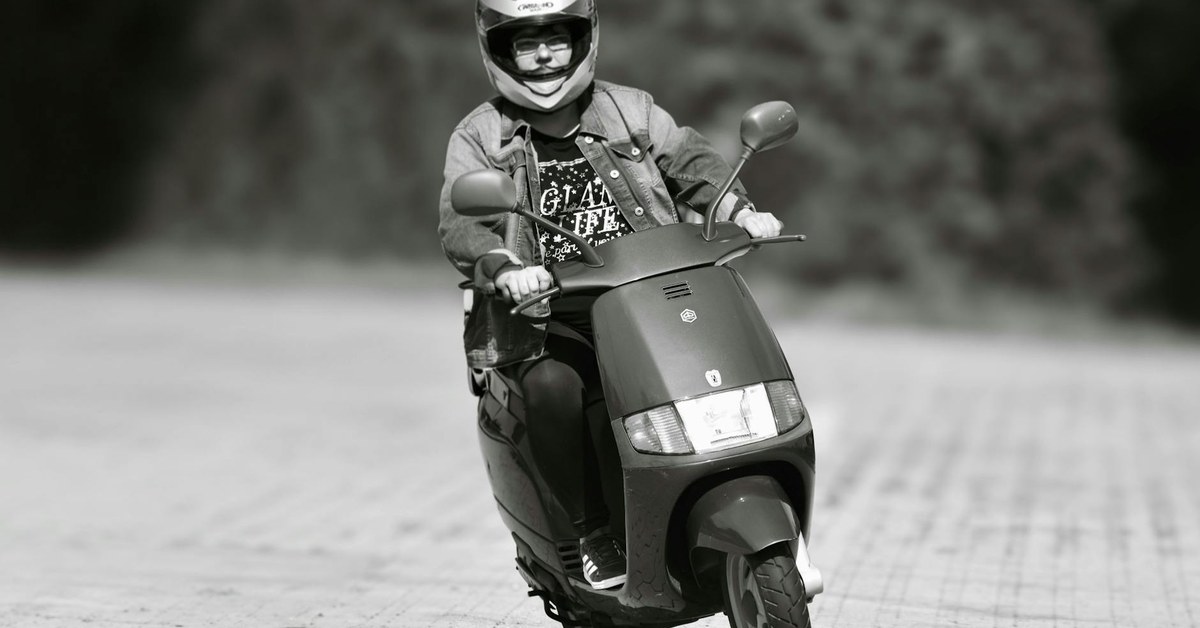
Powered two-wheelers offer freedom and practicality but carry significantly higher injury risk than cars. Understanding why the risks are elevated and how to manage them effectively makes a meaningful difference to rider safety.

Motorcycle, Moped, and Scooter Safety
“Powered two-wheelers offer freedom and practicality but carry significantly higher injury risk than cars. Understanding why the risks are elevated and how to manage them effectively makes a meaningful difference to rider safety.”
The Risk Profile of Powered Two-Wheelers
Motorcycles, mopeds, and scooters are disproportionately represented in road injury statistics relative to their share of road use in virtually every country where data is collected. Riders are exposed to the full force of collisions without the structural protection that cars provide around their occupants, and many crashes involve other vehicles whose drivers simply did not see the motorcycle. Understanding this risk profile honestly is the starting point for managing it effectively.
This does not mean riding is irrational. For many people, powered two-wheelers are practical, affordable, economical, and genuinely enjoyable. It means that riding requires a level of deliberate risk management that driving a car does not, and that some of the factors that reduce risk are within the rider's control.
Protective Equipment
A helmet is the single most important piece of protective equipment a rider can wear. Helmets significantly reduce the risk of fatal head injury in crashes. The effectiveness of a helmet depends on it fitting correctly, being in good condition, and meeting recognised safety standards. A helmet that is too loose can come off in a crash. A helmet that has been involved in a significant impact may have sustained internal damage that is not visible and should be replaced even if it looks undamaged externally.
The standard to look for on a helmet varies by country, but in most markets, look for ECE 22.06 certification, which is the current European standard, or equivalent national standards. Full-face helmets provide the most comprehensive protection. Open-face helmets and half-helmets provide significantly less protection for the face and chin, which are common impact sites in crashes.
Body armour, whether integrated into a jacket or worn as a separate under-layer, reduces the severity of impact injuries to the back, shoulders, elbows, and hips. Motorcycle-specific gloves protect the hands and wrists, which are a common injury site as people instinctively put their hands out in a fall. Boots that cover and protect the ankles significantly reduce foot and ankle injuries. The temptation to ride casually in trainers, shorts, and a t-shirt is understandable, but the abrasion and impact injuries sustained in a crash without protective clothing are severe.
Training and Licensing
Licensing requirements for motorcycles vary significantly between countries, with different systems for different engine sizes and rider ages. Regardless of the legal minimum, additional training beyond what is required to pass a basic test is consistently associated with better outcomes for riders. Advanced rider training courses develop hazard perception, emergency braking technique, and the skills for navigating challenging road conditions that a basic licence test does not fully assess.
New riders are at significantly higher risk in their first months of riding, when they are developing the automatic responses and hazard perception that reduce risk. Being honest about your current skill level, riding within your limits, and not feeling pressured to ride beyond your competence by more experienced riders around you is particularly important during this period.
Common Crash Causes and How to Address Them
Junction collisions are among the most common serious crashes involving motorcycles, typically occurring when another vehicle pulls out in front of a motorcycle because the driver did not see it, misjudged its speed, or did not look appropriately. Approaching junctions with heightened awareness, covering the front brake, positioning yourself to maximise visibility, and making eye contact with waiting drivers are defensive strategies that reduce this risk.
Speed is a factor in a significant proportion of fatal motorcycle crashes. Excessive speed reduces the time available to respond to hazards and greatly increases the severity of any impact. Riding at a speed appropriate to the road, conditions, and your own skill level is one of the most effective safety decisions a rider makes.
Impairment from alcohol and drugs affects balance, reaction time, and risk judgement in ways that are particularly dangerous on a motorcycle. Riding after drinking, even moderately, significantly elevates crash risk. Fatigue produces similar impairment and is underestimated by most riders.
Road surface hazards, including gravel, diesel spills, wet leaves, standing water, and road markings that become slippery when wet, reduce tyre traction in ways that are more immediately critical on a two-wheeled vehicle than in a car. Anticipating these hazards and adjusting speed and position accordingly is an important riding skill.
Visibility and Being Seen
A significant proportion of motorcycle crashes involving other vehicles occur because the driver genuinely did not see the rider. High-visibility clothing, using headlights at all times, riding in a road position that maximises your visibility to other drivers, and avoiding riding in other vehicles' blind spots all improve your conspicuity. This does not mean you are responsible for other drivers' failures to look properly, but taking reasonable steps to be as visible as possible reduces the consequences of those failures.
Maintaining Your Bike
Tyre condition and pressure significantly affect handling and braking performance. Checking tyre pressure regularly, checking tread depth, and replacing tyres that show wear, cracking, or damage is important maintenance. Brakes, lights, and chain tension should be checked regularly. A poorly maintained bike can fail at the worst possible moment, and the consequences on a two-wheeled vehicle are more severe than in a car.
Building Experience Gradually
Risk is highest in the early stages of riding and decreases substantially as riders build experience and skill. Starting on a smaller, more manageable machine, building hours in lower-risk conditions such as quieter roads in good weather, and gradually extending to more challenging environments as your skills develop is a sensible progression. Resist the pressure to immediately take on the most powerful machine or the most challenging roads before your skills are ready for them.