Noise Pollution and Hearing Protection
Hearing loss is increasingly affecting people in their twenties and thirties. Find out why noise exposure is the culprit and what you can do to protect your hearing before the damage becomes permanent.
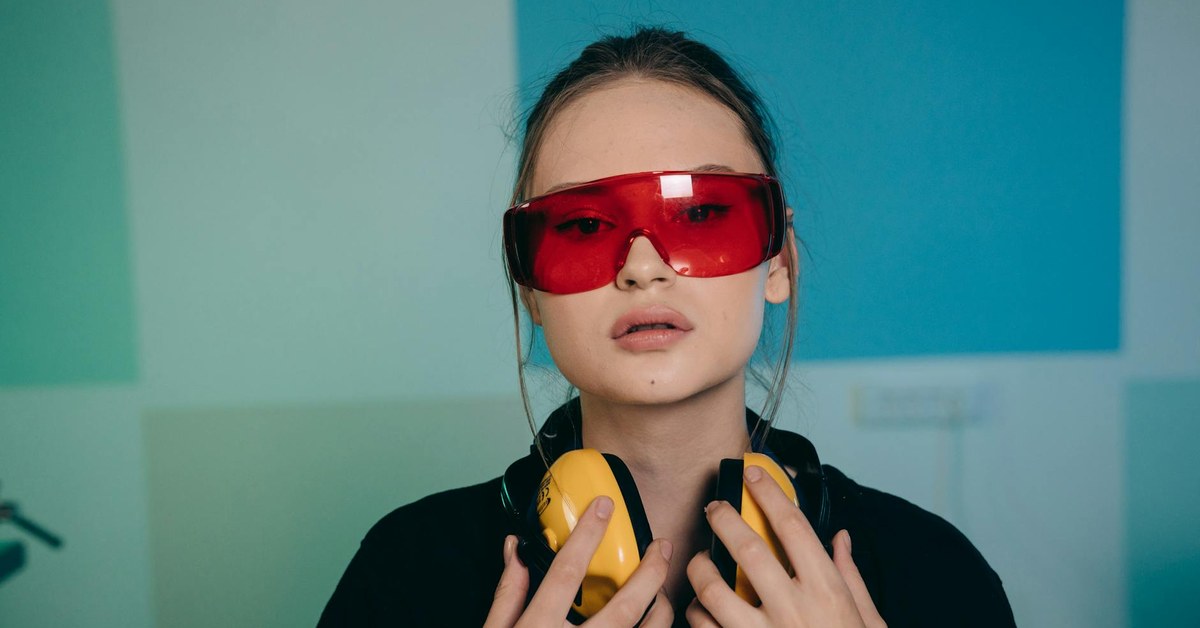

Noise Pollution and Hearing Protection
“Hearing loss is increasingly affecting people in their twenties and thirties. Find out why noise exposure is the culprit and what you can do to protect your hearing before the damage becomes permanent.”
A Generation Losing Its Hearing
Hearing loss has long been associated with old age. It is the kind of condition most people expect to deal with decades from now, not something that concerns a 24-year-old. Yet the evidence is building steadily: young adults worldwide are experiencing hearing damage at rates that are both significant and preventable. The World Health Organization estimates that over one billion young people between the ages of 12 and 35 are at risk of hearing loss due to recreational noise exposure. That figure is not alarmist speculation. It reflects measurable changes in how people are living their lives.
Understanding why this is happening, and what can realistically be done about it, matters because hearing loss is largely irreversible. Unlike many other health conditions, once the tiny hair cells in the inner ear that convert sound into electrical signals are damaged, they do not regenerate. The hearing you have today is largely the hearing you will carry with you for the rest of your life.
How Noise Damages Hearing
The mechanics of noise-induced hearing loss are worth understanding. Inside the cochlea, the spiral-shaped structure of the inner ear, thousands of tiny sensory hair cells respond to different sound frequencies. When sound enters the ear, these cells vibrate. At moderate volumes, they recover after stimulation. At high volumes, or when exposed to loud sound for extended periods, the physical stress on these cells causes damage. Some cells die. Others become less sensitive.
The damage is cumulative. Repeated exposure adds up over time, and the effects are often not noticed until a significant amount of hearing has already been lost. This is one reason why hearing loss is so insidious: it tends not to announce itself dramatically. Instead, the first signs are subtle. Ringing or buzzing in the ears after a loud event, known as tinnitus, is one of the earliest indicators that damage has occurred. Difficulty following conversations in noisy environments, needing to ask people to repeat themselves, or turning up the television louder than you once did are all signs that hearing has deteriorated.
Two key variables determine how much damage noise causes: the intensity of the sound and the duration of exposure. Sound intensity is measured in decibels (dB). Normal conversation sits at around 60 dB. City traffic might reach 85 dB. A concert or nightclub can reach 100 to 110 dB or beyond. A gunshot or explosion can exceed 140 dB. Regulatory guidelines in many countries suggest that sustained exposure to sounds above 85 dB without hearing protection poses a risk. For context, eight hours at 85 dB is considered the upper limit for safe occupational exposure. At 100 dB, the equivalent safe exposure time drops to around 15 minutes.
The Role of Headphones and Earbuds
Personal audio devices are central to the hearing health story for young adults. The shift from over-ear headphones to in-ear earbuds, followed by the widespread adoption of noise-cancelling earphones, has changed listening habits profoundly. People wear earbuds for hours each day, during commutes, exercise, work, and leisure. Smartphones and music streaming apps make it effortless to listen continuously.
The problem is not earbuds themselves. It is the volume at which many people use them. Research has found that a significant proportion of young adults regularly listen at volumes above 85 dB through personal devices. Noise-cancelling earphones can reduce ambient background noise, which in theory allows for lower listening volumes. In practice, many users simply use the noise cancellation while maintaining high volumes, compounding the duration of high-level exposure.
A widely cited rule of thumb is the 60/60 rule: listen at no more than 60 per cent of maximum volume for no more than 60 minutes at a time before taking a break. This is a reasonable starting point, though the safe volume threshold will vary depending on the device. Most modern smartphones and music players include volume warning features; these are worth taking seriously rather than dismissing.
The introduction of volume limit settings on many devices is a positive development. Apple, for instance, has added features to iOS that allow users to set a maximum volume limit and monitor their weekly audio exposure. Android devices have introduced similar functionality. Using these features is a straightforward protective measure that costs nothing and requires minimal adjustment to daily habits.
Live Music, Nightclubs, and Events
Live music venues and nightclubs represent one of the most significant sources of noise exposure for young adults. A typical nightclub runs at between 95 and 110 dB. A rock concert can easily exceed 115 dB. At these levels, even a single evening of exposure can cause temporary threshold shift, meaning a temporary reduction in hearing sensitivity, and repeated exposure without protection contributes to cumulative permanent damage.
Earplugs are the most effective tool available for reducing risk in these settings. However, the image of foam earplugs stuffed into ears at a concert is unappealing to most people, and for good reason: standard foam earplugs muffle sound indiscriminately, making music and conversation sound muffled and distorted. High-fidelity earplugs, sometimes called musician's earplugs, are a different proposition. Designed to reduce volume evenly across frequencies, they allow music and conversation to remain clear while lowering the overall decibel level by 15 to 25 dB. They are widely available online and in music stores, with decent options available at fairly modest prices.
Music industry professionals, including sound engineers, musicians, and venue staff, have adopted high-fidelity earplugs widely because they understand the occupational hazard. The same technology is accessible to anyone who attends live events. Taking a break from the loudest areas of a venue, standing further from speaker stacks, and limiting total exposure time are also practical strategies that do not require any equipment.
Urban Noise Pollution
Beyond personal audio devices and entertainment venues, ambient urban noise is a chronic background stressor that affects hearing health. Traffic noise, construction, public transport, and the general density of sound in cities contributes to overall noise exposure. The European Environment Agency has estimated that environmental noise causes around 12,000 premature deaths annually in Europe and contributes to significant numbers of hospital admissions, sleep disturbances, and cases of cognitive impairment.
For young adults living in dense urban environments, noise exposure from the built environment adds to the cumulative load from personal devices and leisure activities. While individuals have limited control over urban noise, some practical measures can help. Choosing quieter routes for walking and cycling where possible, using noise-reducing windows in the home, and using hearing protection in very noisy urban environments such as near construction sites or on loud metro systems all contribute to reducing the total noise burden.
Foam earplugs or noise-attenuating earphones worn on a noisy commute serve a dual purpose: they protect hearing and, if combined with ambient sound settings available on many noise-cancelling earphones, can allow you to maintain awareness of your surroundings without requiring high listening volumes.
Tinnitus: A Warning Signal
Tinnitus, the perception of sound in the absence of an external source, affects a substantial proportion of the global population. It most commonly presents as a ringing, buzzing, hissing, or whooshing sound. For many people, tinnitus is temporary and resolves after a period of quiet. For others, it becomes chronic and can be significantly disruptive to sleep, concentration, and mental wellbeing.
Experiencing tinnitus after a loud event, such as a concert or a night out, is the body's way of indicating that the auditory system has been stressed. It should be treated as a warning rather than a nuisance to be ignored. Repeated episodes of post-exposure tinnitus strongly suggest that hearing protection is needed.
Chronic tinnitus is associated with anxiety and depression, partly because the persistent presence of sound that cannot be turned off is exhausting and can interfere significantly with daily life. While there is currently no cure for tinnitus, a range of management strategies exist, including sound therapy, cognitive behavioural therapy (CBT), and, in some cases, hearing aids that reduce the contrast between the tinnitus and ambient sound. The earlier potential tinnitus is taken seriously and hearing protection adopted, the less likely it is to become a chronic problem.
Occupational Noise Exposure
Not all noise exposure among young adults is recreational. Many entry-level jobs involve significant noise exposure. Bar and restaurant work, construction, manufacturing, agriculture, and certain service industries can all involve sustained exposure to levels that risk hearing damage. In many countries, occupational health and safety legislation requires employers to provide hearing protection and to monitor noise levels in workplaces where exposure exceeds defined thresholds.
In the UK, the Control of Noise at Work Regulations 2005 set out employer responsibilities in detail. European Union directives establish similar requirements across member states. In Australia, Safe Work Australia sets noise exposure standards, and individual state and territory work health and safety laws enforce them. Similar frameworks exist in Canada and the United States under OSHA regulations.
If you work in a noisy environment, you are entitled to hearing protection provided by your employer if noise levels exceed relevant thresholds. If you are unsure whether your workplace complies with regulations, speaking to a health and safety representative or a relevant government workplace authority is a reasonable first step.
Getting a Hearing Test
Many people do not know what their current hearing status is. Baseline hearing tests, conducted by an audiologist, take around 30 minutes and are painless. They establish a reference point against which future tests can be compared, making it easier to detect changes over time. In many countries, basic hearing tests are available through public health services at no cost. In others, they can be arranged through GPs or community audiology services.
Several smartphone apps also offer basic hearing screening. While these are not a substitute for a clinical assessment, they can provide a useful indication of whether a more formal test is warranted. Apps such as mimi Hearing Test and hearing tests integrated into platforms like Apple Health use validated audiometric principles to assess basic hearing thresholds.
If you notice any of the following, it is worth arranging a professional hearing assessment: difficulty following conversations, particularly in background noise; regularly needing to ask people to repeat themselves; frequently increasing the volume on devices or the television; experiencing ringing or buzzing in your ears, especially after noise exposure.
Practical Steps to Protect Your Hearing
The good news is that noise-induced hearing loss is largely preventable. The steps required are not complex, and most are either free or very low cost.
Use the volume limiter on your phone or music device. Keep listening volumes at or below 60 per cent of maximum, and take regular breaks from earbuds. Invest in a pair of high-fidelity earplugs for concerts and club nights. They cost very little, fit easily in a wallet or pocket, and make a meaningful difference. Be aware of your total daily noise exposure. Think about commuting noise, work noise, and leisure noise as part of a single cumulative load. Give your ears recovery time after loud events. A period of quiet allows the auditory system to recover. Stand away from speakers at live events when possible. Move to quieter areas periodically. If you work in a noisy environment, use the hearing protection your employer is legally required to provide.
The Bigger Picture
Hearing is easy to take for granted precisely because losing it is so gradual. Unlike an injury that announces itself immediately, hearing damage accumulates quietly over years and decades. By the time it becomes noticeable in daily life, a significant amount of irreplaceable hair cell function has already been lost.
Young adults today will live with the hearing health choices they make now for the remainder of their lives. The combination of high-volume personal audio use, regular exposure to live music and nightclubs, and urban noise pollution creates a cumulative risk profile that simply did not exist for previous generations. Recognising that risk and taking modest, consistent steps to mitigate it is one of the most practical and consequential investments in long-term health that a young person can make.