Online Gaming Addiction in Teenagers
Most teenagers who game heavily are not addicted, but for a meaningful minority, gaming becomes genuinely problematic. This guide explains the difference, the warning signs, and what actually helps families navigate this challenge.
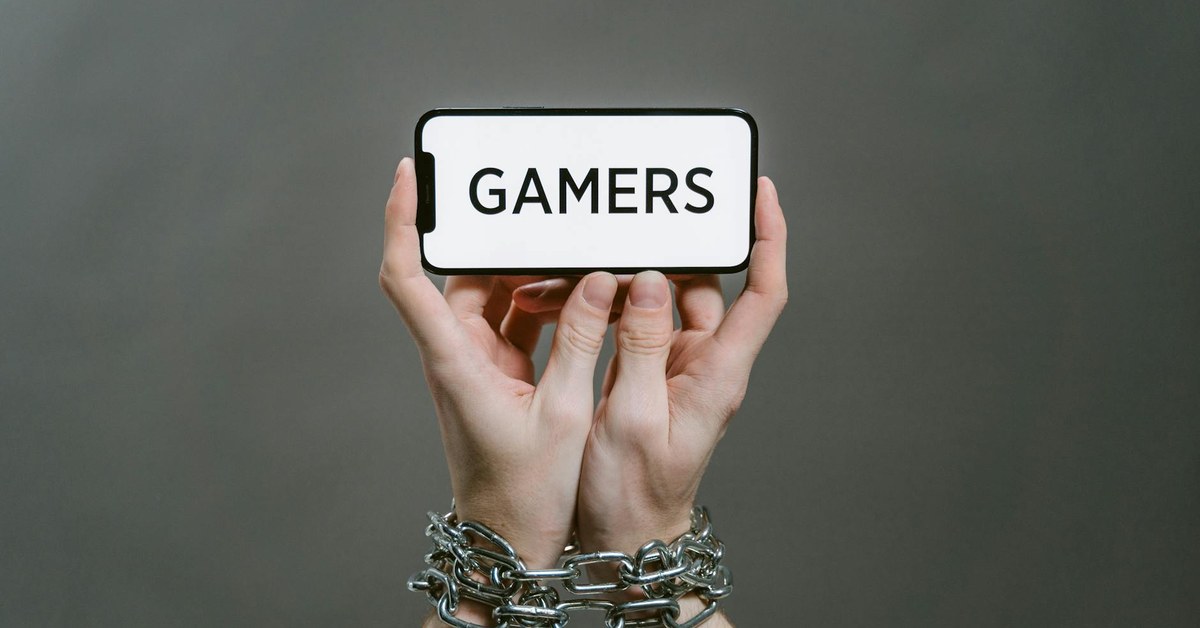

Online Gaming Addiction in Teenagers
“Most teenagers who game heavily are not addicted, but for a meaningful minority, gaming becomes genuinely problematic. This guide explains the difference, the warning signs, and what actually helps families navigate this challenge.”
Gaming and Teenagers: Putting the Risk in Context
Gaming is one of the most popular leisure activities among teenagers worldwide, and the vast majority of young people who play video games regularly do so without developing problematic patterns. Research consistently shows that moderate gaming can support social connection, problem-solving skills, resilience, and in some cases even academic performance. The moral panic that periodically surrounds teenage gaming is not supported by the balance of evidence.
That said, a meaningful minority of young people do develop gaming habits that meet clinical criteria for problematic use, characterised by loss of control, prioritisation of gaming over other activities and relationships, and continued use despite clear negative consequences. Understanding the difference between heavy, enthusiastic gaming and genuinely addictive patterns is essential for parents and young people alike.
In 2019, the World Health Organization added gaming disorder to the International Classification of Diseases (ICD-11), defining it as a pattern of gaming behaviour characterised by impaired control over gaming, increasing priority given to gaming over other activities, and continuation or escalation of gaming despite negative consequences. Estimates of the prevalence of gaming disorder among young people range from approximately 1 to 3 percent in most studies, meaning it is real and significant while affecting a minority rather than the majority of gamers.
Why Gaming Can Become Addictive
Modern online games are designed with extraordinary sophistication to maximise engagement and time played. Understanding the psychological mechanisms involved helps young people and families recognise what they are dealing with.
Variable reward schedules drive compulsive checking behaviour. Rewards in games, including loot drops, rare items, level-ups, and skill unlocks, are delivered unpredictably, which is the same mechanism that makes slot machines compelling. The unpredictability of when the next reward will arrive keeps players engaged beyond the point of rational cost-benefit analysis.
Social obligation is particularly powerful in multiplayer and team-based games. When your performance affects other people you have relationships with, logging off can feel like letting your team down. Daily login rewards and limited-time events create artificial time pressure that discourages breaks. Many online games are explicitly designed to never feel finished: there is always a next level, a next season, a next event on the horizon.
For some teenagers, games also fulfil psychological needs that are not being met elsewhere: a sense of competence and achievement, belonging and acceptance within a community, excitement and stimulation, and a form of control over outcomes in a life that may feel largely out of their control. When gaming is serving these functions, reducing it without addressing the underlying needs is unlikely to be effective long-term.
Recognising Problematic Gaming
The key distinction between heavy gaming and problematic gaming lies in functional impact and loss of control. Ask these questions: Is gaming consistently taking priority over sleep, to the point of significant and sustained sleep deprivation? Is the teenager neglecting personal hygiene, meals, or physical health because of gaming? Are school performance, attendance, or engagement declining specifically because of gaming? Is the teenager withdrawing from real-world friendships and family relationships in favour of gaming? Does attempting to reduce gaming result in extreme distress, anger, or agitation beyond what normal disappointment would explain? Has the teenager tried to cut down and repeatedly failed despite genuine intention to do so?
If several of these are present consistently over several months, the pattern is likely to meet criteria for problematic gaming or gaming disorder. This warrants professional assessment rather than simply household rule changes.
The Role of Specific Game Types
Not all games carry equal risk of problematic use. Multiplayer online battle arena (MOBA) games, massively multiplayer online role-playing games (MMORPGs), battle royale games, and competitive first-person shooters tend to carry higher risk than single-player narrative games, primarily because of their infinite nature (they are never truly completed), their social dimensions, and their competitive mechanics that drive continued play.
Mobile games, including those marketed to younger audiences, frequently use highly sophisticated engagement mechanics including gacha systems (similar to loot boxes), daily login rewards, and social comparison features. The combination of constant availability (the phone is always present) and psychological design features makes mobile games a specific concern for younger teenagers.
What Does Not Work
Simply removing gaming access without understanding the function gaming is serving, and without addressing underlying needs, is rarely effective and often counterproductive. Young people who are using gaming to manage anxiety, loneliness, or other emotional difficulties may escalate to other unhealthy coping mechanisms if gaming is abruptly removed. Conflict over gaming is one of the most common sources of family breakdown in the households of teenagers with problematic gaming patterns.
Shame-based approaches, including framing the teenager as lazy, irresponsible, or addicted, damage the relationship needed to make progress and increase the defensiveness that prevents honest engagement with the problem.
What Does Work
Engaging genuinely with the gaming content, understanding what games your teenager plays, what they enjoy about them, who they play with, and what role gaming serves in their social life, creates a relationship context in which conversations about balance are more productive. Young people who feel their gaming world is understood rather than dismissed are more likely to engage honestly with concerns about their habits.
Collaborative agreements about gaming time, developed with the teenager's input and with genuine rationale, are more durable than imposed rules. Including the teenager in designing their own approach to healthier gaming habits, with genuine ownership of the plan, is more effective than top-down control.
Addressing underlying needs is often the most important work. If a teenager's gaming serves primarily as a form of social connection, helping them build or rebuild offline social relationships is more useful than simply limiting gaming. If it serves as a form of competence and achievement, supporting access to other domains where competence and achievement are available, whether academic, creative, physical, or otherwise, can reduce the pull toward exclusive reliance on gaming.
If professional support is needed, cognitive behavioural therapy adapted for gaming disorder has an evidence base, and adolescent mental health services and specialist digital wellbeing practitioners can provide assessment and intervention. Family therapy that addresses the relational dynamics around gaming is often more effective than individual-focused approaches alone.