Online Gaming Safety for Kids and Teens
Online gaming is one of the most popular activities for children aged 8 to 17 worldwide. It also brings real risks including contact from predators, exposure to gambling mechanics, scams, and toxic communities. Here is how families can stay safe.
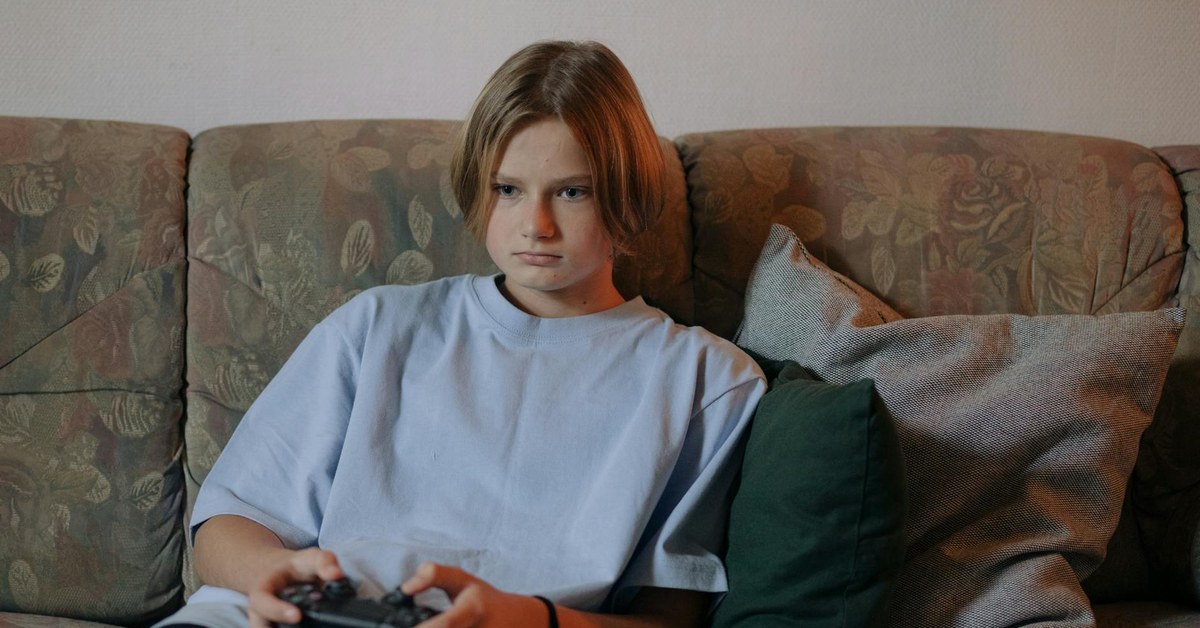

Online Gaming Safety for Kids and Teens
“Online gaming is one of the most popular activities for children aged 8 to 17 worldwide. It also brings real risks including contact from predators, exposure to gambling mechanics, scams, and toxic communities. Here is how families can stay safe.”
Why Online Gaming Safety Is a Priority for Families
Gaming is one of the dominant leisure activities for children and teenagers across the world. In the United Kingdom, the United States, Australia, Canada, and across Europe and Asia, children as young as 8 are regularly playing online games with friends, strangers, and communities they have never met in person. Titles like Roblox, Minecraft, Fortnite, FIFA, Call of Duty, Among Us, and countless others attract hundreds of millions of players globally, a significant proportion of whom are children and teens.
For many young people, gaming is a source of creativity, friendship, problem-solving, and genuine joy. The vast majority of gaming experiences are positive. However, the online, social nature of modern gaming introduces real risks that parents and carers need to understand and navigate thoughtfully.
Understanding the Modern Gaming Landscape
Online gaming is no longer just about playing a game. Modern platforms include in-game chat, voice communication, friend systems, online forums, streaming integration, and economies built around virtual currencies and cosmetic items. Children do not just play games; they socialise within them, spend money in them, and sometimes form significant relationships through them.
This complexity means that the risks associated with online gaming go beyond concerns about screen time or violent content. They include child safety, financial exploitation, psychological manipulation, and exposure to toxic or abusive communities.
The Risk of Contact from Predators and Groomers
Online games with chat functionality give adults access to children in an environment that feels normal and non-threatening. A child who would never speak to a stranger on the street will often chat freely in a game they love with someone who shares that interest.
Individuals who seek to groom or exploit children actively use gaming platforms as a point of entry. They may play alongside a child for weeks or months, building trust, offering help in the game, giving in-game gifts, and gradually encouraging more personal conversation. They may then move the conversation off the gaming platform to private messaging apps, where monitoring is more difficult.
Warning signs that a child may be in contact with someone with harmful intent include:
- Receiving in-game gifts, items, or currency from someone they have not met in real life
- Being secretive about who they are talking to in a game
- Continuing to talk to an in-game contact outside the game on other platforms
- Emotional reactions that seem disproportionate to normal gaming frustration
- Mentioning an online friend who seems much older
- Being asked to share photos or personal information by a gaming contact
The most important protective factor is open communication. A child who knows they can talk to a parent about their gaming contacts without fear of losing access to the game is far safer than one who hides these relationships.
Toxic Behaviour, Abuse, and Hate Speech
Online gaming communities, particularly in competitive games, can expose young people to a significant level of toxic behaviour. This includes verbal abuse, racist and sexist language, homophobic slurs, threats, deliberate in-game sabotage, and sustained harassment campaigns.
Research from organisations including the Anti-Defamation League has found that the majority of gamers experience harassment while gaming online, with young people and members of marginalised groups at highest risk. For children who are still developing their sense of identity and self-worth, regular exposure to this kind of environment can have a real psychological impact.
Practical steps to address this include:
- Using mute and block functions freely and without hesitation
- Reporting abusive players using the in-game reporting system
- Playing primarily in private lobbies with known friends
- Choosing games and servers that have active moderation
- Talking openly about what is normal and what is not
Children should understand that abusive behaviour from other players is never their fault, and that muting or reporting someone is not weakness but common sense.
Loot Boxes, Gambling Mechanics, and In-Game Spending
One of the most significant and underappreciated risks in modern gaming is the integration of gambling-like mechanics, primarily through loot boxes, battle passes, and virtual currency systems.
A loot box is a virtual container purchased with real or in-game money that contains a random selection of items, often cosmetic upgrades like character skins, weapon designs, or accessories. The randomness of the reward is structurally similar to a slot machine. Research from multiple countries, including the United Kingdom, Belgium, Australia, and the Netherlands, has found significant links between loot box spending and problem gambling behaviours, particularly in adolescents.
Belgium and the Netherlands have banned certain types of loot boxes, and the UK government has considered regulatory action. However, in many countries they remain legal and widespread.
Parents should:
- Understand the in-game economy of any game their child plays
- Disable in-app purchases on devices used by younger children
- Set clear limits on any spending, whether through prepaid cards or capped allowances
- Talk to their child about why random reward systems are designed to be compelling and how to recognise when spending feels out of control
- Be aware that some games are designed to use psychological techniques, such as limited-time offers and fear of missing out, to encourage spending
Scams and Account Theft
Popular games have created significant secondary markets for in-game items, accounts, and currencies. This has attracted scammers who target young players. Common scams include:
Free V-Bucks and Currency Scams
Sites and players offering free in-game currency in exchange for account details, personal information, or clicking a link are almost always scams. There is no legitimate way to get free V-Bucks in Fortnite, free Robux in Roblox, or free currency in any mainstream paid economy. Any offer that claims otherwise should be treated with extreme scepticism.
Phishing for Account Credentials
Scammers send messages, often posing as game developers or moderators, claiming that a player's account has been compromised or that they have won a prize. The message directs them to a fake website where they enter their login credentials, which are then stolen.
Account Trading and Selling
Trading or selling gaming accounts is against the terms of service of almost every major platform and can result in permanent bans. Young people who are offered deals to buy a high-level account are often receiving stolen accounts and risk losing money without recourse.
Teach children that legitimate gaming companies will never ask for their password and that anything offering something for nothing online should be treated as suspicious.
Platform-Specific Safety Settings
Roblox
Roblox has a significant young user base and strong parental controls. Parents can set account restrictions to limit what content children can access, restrict chat to friends only, and disable in-game chat entirely for younger children. A PIN-protected parental dashboard allows spending limits and content restrictions to be set separately from the child's account.
Fortnite and Epic Games
Epic Games offers two-factor authentication, which should always be enabled. Parental controls allow spending limits, playtime limits, and chat restrictions. The Cabined Accounts feature limits functionality for users under 13.
Minecraft
Microsoft Family Safety allows parents to set screen time limits, control spending, and monitor activity on Minecraft across platforms. For younger children, playing on a private server with known friends is significantly safer than public servers.
PlayStation, Xbox, and Nintendo
All major console platforms offer robust parental control systems. PlayStation Family Management, Xbox Family Settings, and Nintendo Switch Parental Controls allow parents to control playtime, spending, communication settings, and content ratings. These tools are effective and worth setting up properly.
The Importance of Age-Appropriate Games
Age ratings on games exist for good reasons. A game rated for mature audiences (18+ in most rating systems) may contain graphic violence, sexual content, strong language, or themes that are not appropriate for a child of 10 or 12. While teenagers often push to play games above their age rating, parents should take these ratings seriously and make informed decisions rather than defaulting to permission because the game is popular.
The Pan European Game Information (PEGI) system in Europe, the Entertainment Software Rating Board (ESRB) in North America, and equivalent systems in Australia, Japan, and other regions all provide detailed content descriptors alongside age ratings. These descriptors, covering elements such as fear, language, sex, and violence, are worth reading.
Healthy Gaming Habits
Beyond safety, it is worth addressing healthy gaming habits with young people. The World Health Organisation's inclusion of Gaming Disorder in its International Classification of Diseases has raised awareness of the potential for compulsive gaming behaviour in a minority of young players. Signs that gaming may be becoming problematic include:
- Prioritising gaming over sleep, meals, homework, and social activities
- Significant distress when unable to play
- Lying about how much time is spent gaming
- Loss of interest in activities that were previously enjoyed
- Declining school performance
Healthy gaming looks different from problematic gaming. Setting clear screen time limits, maintaining regular non-gaming activities, and keeping communication open about what children are playing and experiencing online are all important foundations.
Conversations That Make a Difference
The single most effective protective factor in online gaming safety is a young person who feels they can tell a trusted adult when something uncomfortable or worrying happens online. This requires adults who respond calmly, who listen without immediately removing access to the game, and who take what children report seriously.
Regularly asking open questions about gaming, Who do you play with? What are you working on in the game? Has anything weird happened online lately?, normalises these conversations and makes it easier for a child to come forward when something actually goes wrong.
Gaming can be a wonderful part of a young person's life. With the right knowledge and open communication, families can make sure it stays that way.