Optimal Carbon Monoxide Detector Placement: Navigating Multi-Story & Open-Concept Home Layouts
Ensure maximum safety in your unique home. Learn optimal carbon monoxide detector placement strategies for multi-story, split-level, and open-concept layouts.
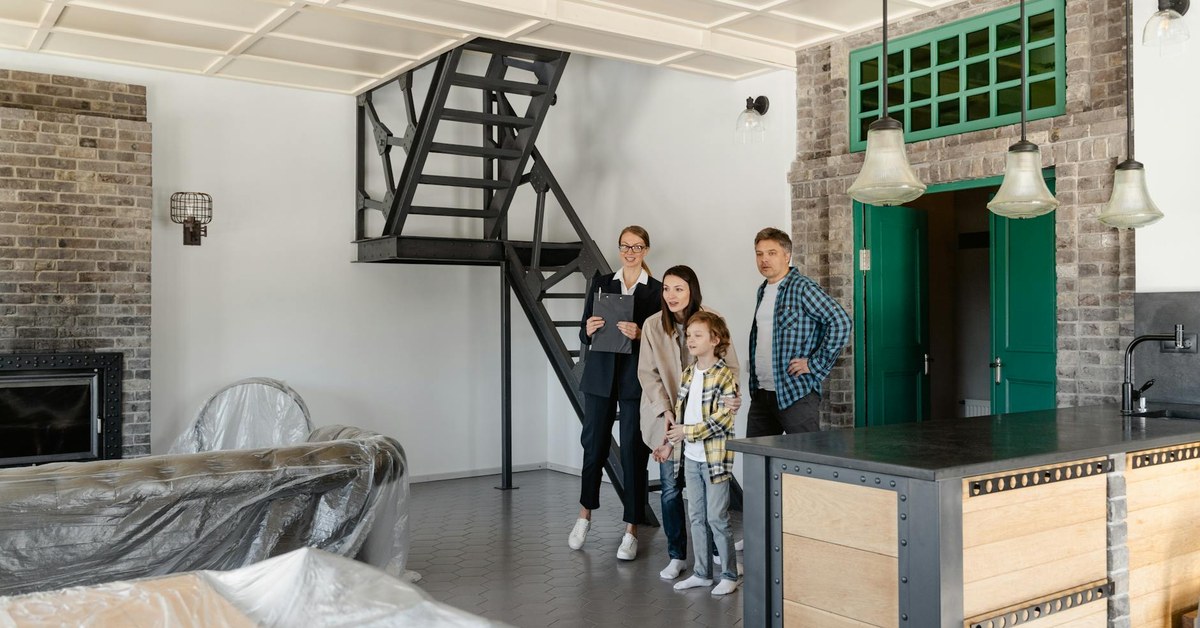

Optimal Carbon Monoxide Detector Placement: Navigating Multi-Story & Open-Concept Home Layouts
“Ensure maximum safety in your unique home. Learn optimal carbon monoxide detector placement strategies for multi-story, split-level, and open-concept layouts.”
Ensuring the safety of your family from the silent killer, carbon monoxide (CO), begins with understanding the best carbon monoxide detector placement multi-story homes and unique layouts require. This invisible, odourless, and tasteless gas is a byproduct of incomplete combustion, posing a serious threat when fuel-burning appliances malfunction. Correct detector placement is not a one-size-fits-all solution; it demands careful consideration of your home’s architecture, including multi-story, split-level, and open-concept designs, to provide the earliest possible warning.
Understanding Carbon Monoxide and Detection Principles
Carbon monoxide is a pervasive danger because it cannot be detected by human senses. When inhaled, CO replaces oxygen in the blood, leading to symptoms ranging from headaches and nausea to loss of consciousness and death. According to the World Health Organisation (WHO), children, pregnant women, and the elderly are particularly vulnerable to CO exposure, experiencing more severe symptoms at lower concentrations.
Effective CO detection relies on strategic placement. While CO is slightly lighter than air, it mixes readily with air currents. Therefore, positioning detectors near the ceiling, as is common for smoke alarms, is not always the most effective strategy. CO detectors should be placed at chest height or on a wall, typically 1.5 metres (5 feet) from the floor, to best sample the air where people breathe.
Key principles for initial CO detector placement include: * Near sleeping areas: CO poisoning symptoms can mimic flu, making detection crucial when residents are asleep and less likely to notice early signs. * On every level of the home: This ensures coverage regardless of the CO source location. * Near or within hearing range of all sleeping areas: Alarms must be loud enough to wake everyone. * Away from direct sources of steam or cooking fumes: These can cause nuisance alarms. * At least 1.5 to 3 metres (5 to 10 feet) away from fuel-burning appliances: This prevents false alarms from normal appliance operation.
Key Takeaway: Carbon monoxide is an invisible threat requiring specific detector placement for effective warning. Install detectors on every level of your home, especially near sleeping areas, and at approximately chest height to capture CO where people breathe.
Carbon Monoxide Detector Placement Multi-Story Homes
Multi-story homes present distinct challenges for CO detection due to varying air pressures and the movement of air between floors. A CO leak on one floor might not immediately trigger an alarm on another if detectors are not strategically placed.
For effective carbon monoxide detector placement multi-story homes, follow these guidelines:
- On Every Level: Install at least one CO detector on each floor of your home, including the basement and attic if they are habitable or contain fuel-burning appliances. This is a fundamental requirement, regardless of the home’s layout.
- Near Bedrooms: Place a detector in the hallway or area immediately outside of each separate sleeping area. For example, if you have bedrooms on the first and second floors, each floor’s sleeping area needs a dedicated detector.
- Within 3 Metres (10 feet) of Fuel-Burning Appliances: If your boiler, water heater, or other fuel-burning appliances are in a specific utility room or basement, install a detector within a 3-metre radius, but not directly next to the appliance to avoid false alarms.
- Top Floor Considerations: On the highest floor, place detectors in central hallways. If there’s an open stairwell, consider placing a detector near the top of the stairs, ensuring it’s not in the direct path of airflow from an open window.
- Basement Placement: For basements, especially those with furnaces, water heaters, or attached garages, place a detector near the appliance and another in any finished living space. Carbon monoxide from an attached garage can easily seep into the home.
Actionable Next Step: Review your home’s layout floor by floor. Identify all sleeping areas and locations of fuel-burning appliances. Mark potential detector locations on a simple sketch.
Split-Level Carbon Monoxide Alarm Strategies
Split-level homes combine elements of multi-story and open-concept designs, often featuring short staircases connecting distinct living areas at different elevations. This unique architecture requires a thoughtful approach to split-level carbon monoxide alarm placement.
Consider these points for split-level homes:
- Treat Each Level as a Separate Zone: Even if the levels are only a few steps apart, consider each distinct elevation as a “level” for detector placement purposes. This means a detector for the main living area, one for the bedroom level, and one for any lower recreational space or utility room.
- Mid-Level Placement: For the central, often open, connecting area of a split-level home, place a detector on a wall at a height of approximately 1.5 metres (5 feet). This ensures comprehensive coverage for the main living space.
- Near Stairwells: Positioning detectors near the top or bottom of the short staircases connecting levels can be effective, as these areas often facilitate air movement between zones. Ensure they are not too close to direct drafts.
- Adjacent to Garages: If your split-level home has an attached garage, particularly one on a lower level, install a CO detector in the adjacent living space. Carbon monoxide can easily migrate from the garage into the home, especially if vehicles are left running or if there are other combustion sources.
Expert Insight: “A home safety expert advises that in split-level properties, the key is to ensure no living space is left unprotected. Air movement can be unpredictable across these varied elevations, so redundant coverage is a wise investment.”
CO Detector Open Concept Homes: Maximising Coverage
CO detector open concept homes present a challenge due to their large, undivided spaces where air flows freely. While this might seem to simplify placement, the sheer volume of air means a single detector might not provide adequate warning if the CO source is far away.
For open-concept layouts, consider these strategies:
- Multiple Detectors in Large Spaces: For very large open-plan living areas that combine living rooms, dining rooms, and kitchens, consider installing two or more detectors. Space them out to ensure comprehensive coverage. A general rule of thumb is to place detectors no more than 9 metres (30 feet) apart in large, open areas.
- Perimeter Placement: Instead of just one central detector, consider placing detectors along the perimeter walls of the open-concept space, particularly near entry points to other rooms or hallways leading to sleeping areas.
- Kitchen Proximity (with caution): While you should avoid placing detectors directly next to cooking appliances, having a detector in an open-plan kitchen/living area is crucial. Position it at least 3 metres (10 feet) from the stove or oven to prevent false alarms from cooking fumes, but close enough to detect a leak from a gas cooker or boiler.
- Consider Air Circulation: Observe how air circulates in your open-concept space. If there are distinct “zones” created by furniture arrangements or architectural features, ensure each zone has a detector or is adequately covered by one.
- Combination Alarms: In open-concept areas, combination smoke and CO alarms can be an efficient choice, providing dual protection. Ensure they are correctly positioned for both threats. [INTERNAL: Choosing the Right Smoke and Carbon Monoxide Alarms]
Actionable Next Step: For open-concept areas, visualise the flow of air. If you have a very large space, consider adding an additional detector beyond the minimum requirement to boost safety.
Best CO Detector Placement Strategies: General Considerations
Beyond specific home layouts, several universal best CO detector placement strategies apply to all properties, ensuring optimal home safety CO detection.
- Avoid Obstructions: Do not place detectors behind curtains, furniture, or in recessed areas where their sensors might be blocked.
- No Direct Sunlight or Heat Sources: Avoid placing detectors in direct sunlight, near windows that receive direct sun, or close to heat registers, ovens, or fireplaces. Extreme temperatures can affect detector performance.
- Away from Vents: Do not place detectors directly in front of supply or return vents for forced-air heating or cooling systems. The airflow can dilute CO and delay detection.
- Test Regularly: All CO detectors should be tested monthly using the ‘test’ button. Replace batteries annually (for battery-operated units) or the entire unit according to the manufacturer’s recommendations, typically every 5-7 years. The National Fire Protection Association (NFPA) recommends replacing CO alarms every 5-7 years.
- Interconnected Alarms: For enhanced safety, consider interconnected CO alarms. If one alarm detects CO, all alarms in the home will sound, providing a louder and more widespread warning.
Age-Specific Guidance for Vulnerable Occupants
While CO detectors protect everyone, the impact of carbon monoxide is disproportionately severe on certain groups. Babies and young children, whose smaller bodies and higher metabolic rates mean they breathe faster, are more susceptible to CO poisoning. Similarly, the elderly and individuals with chronic heart or respiratory conditions are at higher risk.
- Extra Vigilance in Nurseries/Children’s Rooms: While not placing a detector inside a baby’s cot, ensure a detector is located directly outside their bedroom door or within the room itself, but out of reach.
- Bedside Alarms for the Elderly/Infirm: For individuals with mobility issues or those who sleep particularly soundly, consider an additional CO detector with a visual alert (strobe light) and a loud alarm placed closer to their bed, ensuring they receive immediate notification.
What to Do Next
- Assess Your Current Setup: Walk through your home, noting where your existing CO detectors are placed. Check their age and last test date.
- Purchase New Detectors (If Needed): Invest in new CO detectors, preferably with a digital display, and consider combination smoke/CO alarms for comprehensive protection. Ensure they meet local safety standards.
- Install or Relocate Detectors: Using the guidance provided, install new detectors or relocate existing ones to optimal positions for your home’s specific layout.
- Test and Maintain: Test all detectors monthly. Mark your calendar to replace batteries annually and the entire unit every 5-7 years, or as per manufacturer instructions.
- Educate Your Family: Discuss the dangers of CO and the sound of the alarm with all family members. Develop and practise an escape plan, including a designated outdoor meeting point. [INTERNAL: Creating a Family Emergency Escape Plan]
Sources and Further Reading
- World Health Organisation (WHO): Carbon Monoxide Poisoning
- Centers for Disease Control and Prevention (CDC): Carbon Monoxide Poisoning
- National Fire Protection Association (NFPA): Carbon Monoxide Safety
- Gas Safe Register (UK): Carbon Monoxide Awareness
- Royal Society for the Prevention of Accidents (RoSPA): Carbon Monoxide Safety Advice