Outdoor Adventure Safety for Families: Hiking
A practical guide to keeping children safe during family outdoor adventures, covering hiking preparation, camping safety, wildlife awareness, weather risks, navigation, and teaching children outdoor skills.
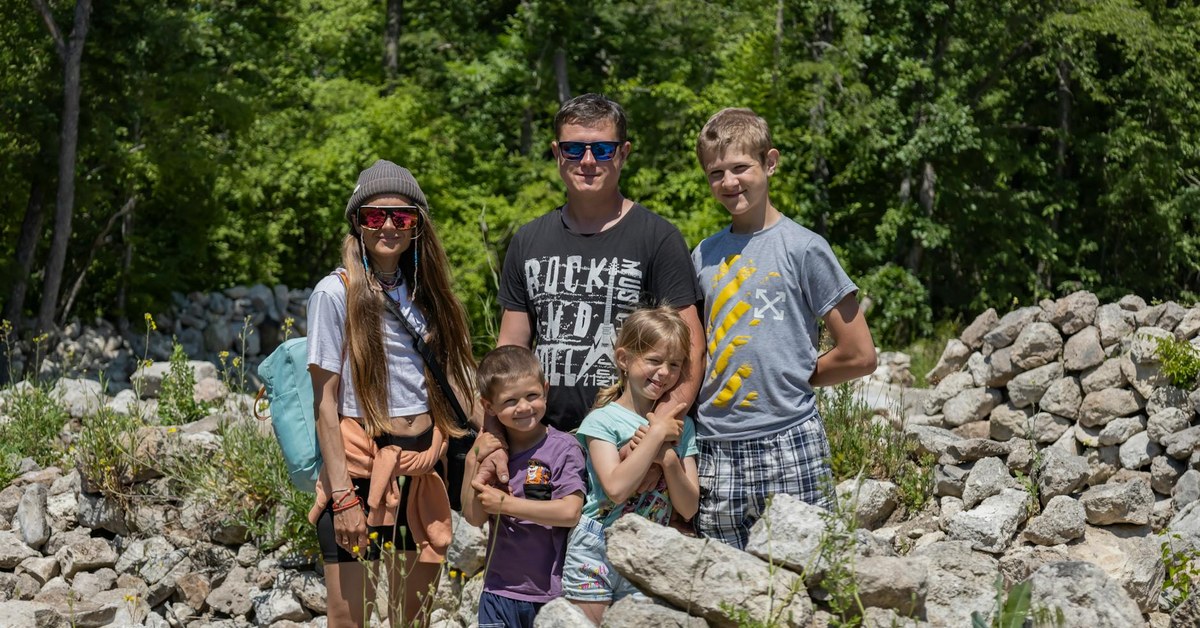

Outdoor Adventure Safety for Families: Hiking
“A practical guide to keeping children safe during family outdoor adventures, covering hiking preparation, camping safety, wildlife awareness, weather risks, navigation, and teaching children outdoor skills.”
The Value of Outdoor Adventure
Time spent in nature, on trails, campsites, and wild spaces, offers children some of their most formative experiences. Research consistently shows that children who spend regular time outdoors develop better physical fitness, stronger immune systems, greater resilience, improved attention and emotional regulation, and a more developed sense of spatial awareness and independence. The managed risk of outdoor adventure, where children face genuine challenges in a supervised context, is associated with better risk assessment skills and greater confidence in everyday life.
The goal of outdoor safety is not to eliminate these experiences but to manage them intelligently, so that families can access the genuine benefits of adventure while reducing the likelihood of serious harm. Preparation, knowledge, appropriate equipment, and a realistic understanding of your own and your children's capabilities are the foundations of safe outdoor adventure.
Planning and Preparation
The most important safety work happens before you leave home. A well-planned family outdoor adventure is far safer than an improvised one, and much of the pleasure of outdoor activities comes from being properly prepared.
- Research your route: Use official maps and current trail information rather than relying solely on navigation apps, which may not reflect recent trail closures, seasonal conditions, or the actual difficulty of the terrain. Local ranger stations, visitor centres, and outdoor organisations are valuable sources of current information.
- Assess the difficulty honestly: Choose routes that are genuinely appropriate for the least fit, least experienced, or youngest member of your group. A route that is manageable for adults can be exhausting or dangerous for young children. Allow considerably more time than the estimated time, particularly for groups with young children.
- Check the weather forecast: Weather in mountain, coastal, and exposed environments can change rapidly. Check the forecast for your specific location, not just the nearest town, and be willing to change plans if conditions look unfavourable.
- Tell someone your plan: Before any significant outdoor adventure, tell a trusted person where you are going, which route you are taking, and when you expect to be back. Agree on what action they should take if they have not heard from you by a certain time. This simple step has saved lives.
Essential Equipment
The specific equipment required varies by activity, season, and environment, but several items should be considered essential for any family outdoor adventure:
- Navigation: A physical map and compass, and the knowledge to use them, remain essential even when carrying electronic devices. Batteries die, screens become unreadable in rain, and signal coverage is often absent in the locations where you most need navigation help.
- Appropriate clothing: Dress in layers, with a moisture-wicking base layer, an insulating mid-layer, and a waterproof and windproof outer shell. Cotton holds moisture and loses its insulating properties when wet: wool and synthetic fabrics perform better in outdoor conditions. Always carry a warm layer and waterproofs even if the weather appears fine at the start.
- First aid kit: A basic first aid kit appropriate for the activity and group size, including blister treatment, wound dressings, antihistamine, and any personal medications. Know how to use what you carry.
- Water and food: Carry significantly more water than you expect to need, particularly in warm weather and when hiking with children, who often underestimate their thirst. Energy-dense snacks sustain energy levels and morale on longer outings.
- Emergency equipment: A whistle and a torch or headtorch are small, lightweight, and potentially lifesaving. The international distress signal is six whistle blasts repeated at one-minute intervals.
- Communication: A charged mobile phone is useful where signal exists. In remote areas, a personal locator beacon provides emergency communication where mobile networks do not reach.
Hiking with Children
Children make enthusiastic hikers, but their stamina, pace, and needs differ significantly from adults. A common mistake is judging a child's ability on early enthusiasm and failing to account for how quickly that energy can deplete.
- Match pace to the slowest and smallest member of your group. A comfortable pace for you may be very demanding for a five-year-old.
- Build in frequent rest stops, particularly on ascent. Children need to process the environment around them, and stopping to observe something interesting is not a delay: it is part of the experience.
- Keep children hydrated and snacked. Children often do not recognise or report thirst until they are already dehydrated. Offer water at every rest stop.
- Turn back sooner than you think necessary. Most wilderness incidents involving families happen on the return journey, when energy reserves are depleted. An easy rule is to turn around when you have used one-third of your energy, food, or water, keeping the remaining two-thirds for the return.
- Teach children the trail rules: stay on the marked path, stay within sight of adults, stop at every junction and wait, and never run ahead on exposed terrain.
Camping Safety
Camping introduces a different set of safety considerations from day hikes, with the addition of cooking, sleeping outdoors, and extended time away from immediate help.
- Fire safety: Teach children campfire rules before any fire is lit: stay back from the fire, never throw anything into it, and treat fire with respect. Never leave a fire unattended, and always fully extinguish fires before sleeping or leaving the campsite. Pour water generously onto embers and stir, repeating until the ashes are cool to the touch.
- Cooking safety: Camp stoves reach high temperatures. Keep young children away from cooking areas. Use stable ground and windshields to prevent tipping. Never use a camping stove or any fuel-burning device inside a tent: carbon monoxide poisoning in enclosed spaces is a serious risk.
- Tent safety: Check tent structure before sleeping in it. Ensure tent pegs and guy lines are secure and visible. In high winds, monitor tent stability. Never leave a child alone in a tent where they might become overheated or trapped.
- Wildlife: Research the wildlife you may encounter in your specific location. Store food securely in bear-proof containers or suspended from a tree where bears are present. Never approach, feed, or handle wildlife. Teach children to observe animals from a respectful distance.
Weather and Environmental Hazards
Weather is the most common cause of serious outdoor incidents for families. Key hazards to know about:
- Hypothermia: Can occur even in mild temperatures if a person is wet and exposed to wind. Symptoms include shivering, confusion, poor coordination, and slurred speech. Get wet clothing off immediately, insulate the person, provide warm drinks if conscious, and seek shelter. Severe hypothermia is a medical emergency.
- Heat exhaustion and heat stroke: In hot weather, keep children well hydrated, in shade during the hottest hours, and watch for signs of heat exhaustion: heavy sweating, pale clammy skin, weakness, and nausea. Move to shade, cool with water, and seek medical help if symptoms do not improve rapidly.
- Lightning: If a storm approaches, descend from high ground and avoid open hilltops, lone trees, and metallic objects. Seek shelter in low-lying areas or in a vehicle if available. Do not shelter in shallow caves or under rock overhangs.
Teaching Children Outdoor Skills
The long-term goal of family outdoor adventure is not just shared experience but the gradual building of genuine outdoor competence in your children. Teaching them to read a map, identify safe water sources, understand weather signs, and make sound decisions about risk builds skills that serve them for life.
Allow children to be involved in navigation, campsite decisions, and route planning at an age-appropriate level. Gradually increase their responsibility and independence as their skills and judgment develop. Children who grow up with real outdoor skills are safer outdoors as adults, and they carry a sense of competence and confidence that extends far beyond the trail.