Overcome Body Image Anxiety: Confidently Navigate Social Events & Gatherings
Feeling anxious about your body at social events? Discover practical strategies to overcome body image anxiety and build confidence to enjoy gatherings fully.
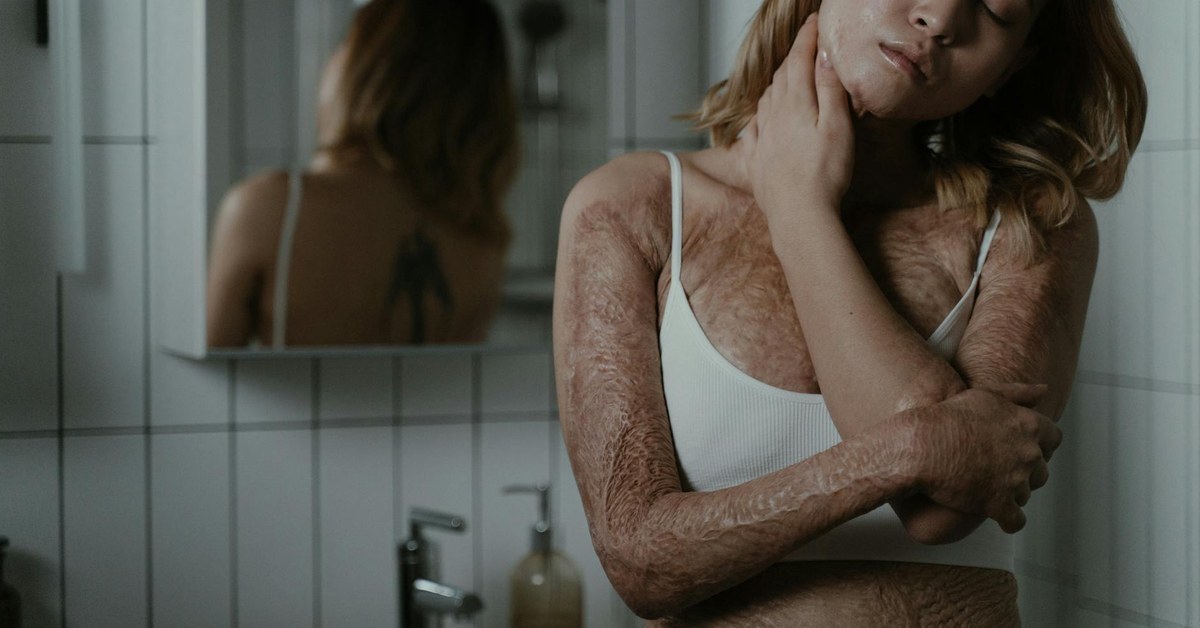

Overcome Body Image Anxiety: Confidently Navigate Social Events & Gatherings
“Feeling anxious about your body at social events? Discover practical strategies to overcome body image anxiety and build confidence to enjoy gatherings fully.”
Social events and gatherings, from family dinners to festive parties, should be occasions for connection and joy. However, for many, these situations can trigger significant body image anxiety, turning anticipation into dread. This anxiety, often fuelled by comparison and self-consciousness, can prevent individuals from fully engaging and enjoying themselves. Learning to overcome body image anxiety social events is crucial for mental wellbeing and a richer social life. This article provides practical, evidence-informed strategies to help you navigate these situations with greater confidence and self-acceptance.
Understanding Body Image Anxiety in Social Settings
Body image anxiety is a pervasive concern, affecting people of all ages and backgrounds. In social settings, this anxiety often intensifies due to perceived scrutiny and the pressure to meet societal appearance standards. It can manifest as excessive worry about one’s appearance, fear of judgment, or a constant urge to compare oneself to others.
According to a 2022 report by the Mental Health Foundation, one in five adults in the UK reported feeling shame about their body in the past year, with social situations often exacerbating these feelings. This anxiety can lead to avoidance of events, withdrawing from conversations, or even physical symptoms like a racing heart or shortness of breath.
Recognising the specific triggers in social environments is the first step towards managing them. These might include: * New outfits: The pressure to look ‘perfect’ in new clothes. * Photography: Fear of unflattering photos being shared online. * Comparison: Observing others’ appearances and making unfavourable comparisons. * Comments: Worry about receiving unsolicited comments on one’s body or appearance. * Food and drink: Anxiety around eating in front of others or consuming certain foods.
Key Takeaway: Body image anxiety in social settings is common and stems from a fear of judgment and comparison. Identifying your personal triggers is essential for developing effective coping mechanisms.
The Impact of Social Media and Societal Pressures
The omnipresence of social media significantly amplifies body image concerns. Platforms often showcase curated, idealised images, creating an unrealistic benchmark for appearance. This constant exposure contributes to anxiety around appearance, making individuals feel inadequate when they don’t measure up to these often-filtered realities.
A 2023 UNICEF report highlighted that adolescents who spend more than three hours a day on social media are more likely to report mental health problems, including body dissatisfaction. The pressure to present a ‘perfect’ image online spills over into real-life social interactions, making people more self-conscious about how they look and are perceived.
“Societal beauty standards, constantly reinforced by media and advertising, create a narrow definition of what is considered ‘acceptable’ or ‘attractive’,” explains a leading body image researcher. “Challenging these internalised messages is a vital part of cultivating self-acceptance social situations.”
Practical Strategies for Pre-Event Preparation
Preparing mentally and practically before a social gathering can significantly reduce body image anxiety.
- Choose Comfort Over “Perfection”: Select clothing that makes you feel comfortable, confident, and authentically yourself, rather than something you feel pressured to wear. Prioritise how you feel in an outfit over how you believe others will perceive it.
- Practice Positive Affirmations: Before leaving the house, stand in front of a mirror and repeat positive affirmations. Focus on your strengths, qualities, and the joy you anticipate from connecting with others. Examples include: “I am worthy of love and belonging,” “My worth is not determined by my appearance,” or “I am excited to connect with people.”
- Set Intentions for the Event: Shift your focus from your appearance to the purpose of the gathering. Is it to connect with friends? To celebrate an occasion? To learn something new? Setting an intention helps redirect your energy away from self-scrutiny.
- Engage in Mindfulness or Relaxation: Spend a few minutes before the event practising deep breathing, meditation, or listening to calming music. This can help quiet anxious thoughts and ground you in the present moment. Many free mindfulness apps can guide you through short exercises.
- Plan Your Exit Strategy (If Needed): Knowing you have an option to leave if you become overwhelmed can provide a sense of control and reduce anxiety. It is perfectly acceptable to attend for a shorter period if that feels more manageable.
Mindful Navigation During Social Gatherings
Once at the event, employ strategies to manage body image triggers and focus on genuine interaction.
- Shift Your Focus Outward: Instead of fixating on how you look, actively engage with others. Ask questions, listen attentively, and participate in conversations. Redirecting your attention outwards helps break the cycle of self-criticism.
- Challenge Negative Thoughts: When critical thoughts about your body arise, acknowledge them without judgment and then actively challenge them. Ask yourself: “Is this thought truly helpful or accurate?” or “What evidence do I have for this thought?” Replace negative thoughts with more balanced or compassionate ones.
- Take Mindful Breaks: If you feel overwhelmed, step away for a few minutes. Go to the bathroom, find a quiet corner, or even step outside for some fresh air. Use this time to practise deep breathing or a quick body scan to reconnect with your senses.
- Limit Social Media Engagement: Avoid checking social media during the event, as this can trigger comparisons and heighten anxiety. Focus on the real-life interactions happening around you.
- Practice Self-Compassion: Treat yourself with the same kindness and understanding you would offer a friend. Recognise that it’s normal to feel self-conscious sometimes and that you are doing your best.
“Managing body image triggers in the moment requires conscious effort and self-awareness,” advises a cognitive behavioural therapist. “By focusing on your values and connections, you can slowly retrain your brain to prioritise wellbeing over appearance.”
Building Long-Term Body Confidence
Overcoming body image anxiety social events is not a one-time fix; it is a journey of continuous self-acceptance social situations and mindful social interaction.
- Cultivate Self-Compassion: Regularly practise self-kindness. This includes acknowledging your struggles without judgment, understanding that imperfection is part of the human experience, and treating yourself with warmth.
- Challenge Internalised Beliefs: Reflect on where your body image ideals come from. Are they truly yours, or have they been influenced by external pressures? Actively work to dismantle harmful beliefs about what your body “should” look like.
- Diversify Your Media Consumption: Actively seek out diverse representations of bodies in media, books, and social feeds. Unfollow accounts that trigger negative comparisons and follow those that promote body positivity and authenticity.
- Focus on What Your Body Can Do: Shift your appreciation from your body’s appearance to its capabilities. Celebrate its strength, resilience, and the experiences it allows you to have. Engage in activities that make you feel strong and joyful.
- Seek Professional Support: If body image anxiety significantly impacts your daily life, consider speaking with a mental health professional. Therapists specialising in body image, eating disorders, or anxiety can provide tailored strategies and support. [INTERNAL: finding mental health support]
- Develop a Strong Support System: Surround yourself with people who uplift you and reinforce your worth beyond your physical appearance. Openly discuss your feelings with trusted friends or family members.
Supporting Children and Young People
Body image concerns often begin in childhood and intensify during adolescence. Helping children develop a healthy body image is a critical aspect of family wellbeing.
- Model Positive Body Talk: Children learn by example. Avoid negative self-talk about your own body or the bodies of others. Focus on health and functionality rather than appearance.
- Encourage Media Literacy: Teach children to critically evaluate images they see in media and online. Discuss how photos can be edited and how advertising creates unrealistic ideals.
- Focus on Strengths and Talents: Praise children for their kindness, intelligence, creativity, and efforts, not just their appearance. Help them develop a strong sense of self-worth that is independent of how they look.
- Promote Diverse Representation: Ensure children are exposed to a wide range of body types, ethnicities, and abilities in the books, shows, and toys they engage with.
- Open Communication: Create a safe space for children and teenagers to discuss their feelings about their bodies and any anxieties they may have. Listen without judgment and offer reassurance.
- Limit Screen Time: Encourage a balanced approach to digital engagement to reduce exposure to potentially harmful content and comparisons. [INTERNAL: digital wellbeing for families]
For young people aged 10-18, peer pressure and social media are major influences. Encourage them to value genuine friendships and to understand that true connection is not based on appearance. Organisations like YoungMinds offer excellent resources for parents and teens on navigating body image challenges.
What to Do Next
- Reflect on Your Triggers: Identify specific situations, comments, or thoughts that most often trigger your body image anxiety at social events.
- Implement One Pre-Event Strategy: Before your next social gathering, choose one preparation technique, such as selecting comfortable clothing or practising affirmations, and commit to trying it.
- Practice Mindful Self-Talk: During your next social interaction, consciously challenge one negative thought about your appearance and replace it with a kinder, more realistic one.
- Seek Support if Needed: If body image anxiety consistently interferes with your life, explore options for professional support, such as a therapist or counsellor.
- Curate Your Online Environment: Review your social media feeds. Unfollow accounts that make you feel inadequate and follow those that promote body positivity and diverse representation.
Sources and Further Reading
- Mental Health Foundation. (2022). Body Image Report. www.mentalhealth.org.uk/our-work/body-image
- UNICEF. (2023). The State of the World’s Children 2023: For every child, every right. www.unicef.org/reports/state-of-worlds-children-2023
- NSPCC. (Undated). Body image and eating problems. www.nspcc.org.uk/keeping-children-safe/childrens-mental-health/body-image-eating-problems/
- Mind. (Undated). Body image and mental health. www.mind.org.uk/information-support/types-of-mental-health-problems/body-image-and-mental-health/