The Parent's Guide to Online Gaming Safety
Online gaming is one of the most common ways children connect with others, but it comes with specific safety considerations many parents are not aware of. This guide covers what you need to know.

The Parent's Guide to Online Gaming Safety
“Online gaming is one of the most common ways children connect with others, but it comes with specific safety considerations many parents are not aware of. This guide covers what you need to know.”
Gaming Is More Social Than You Think
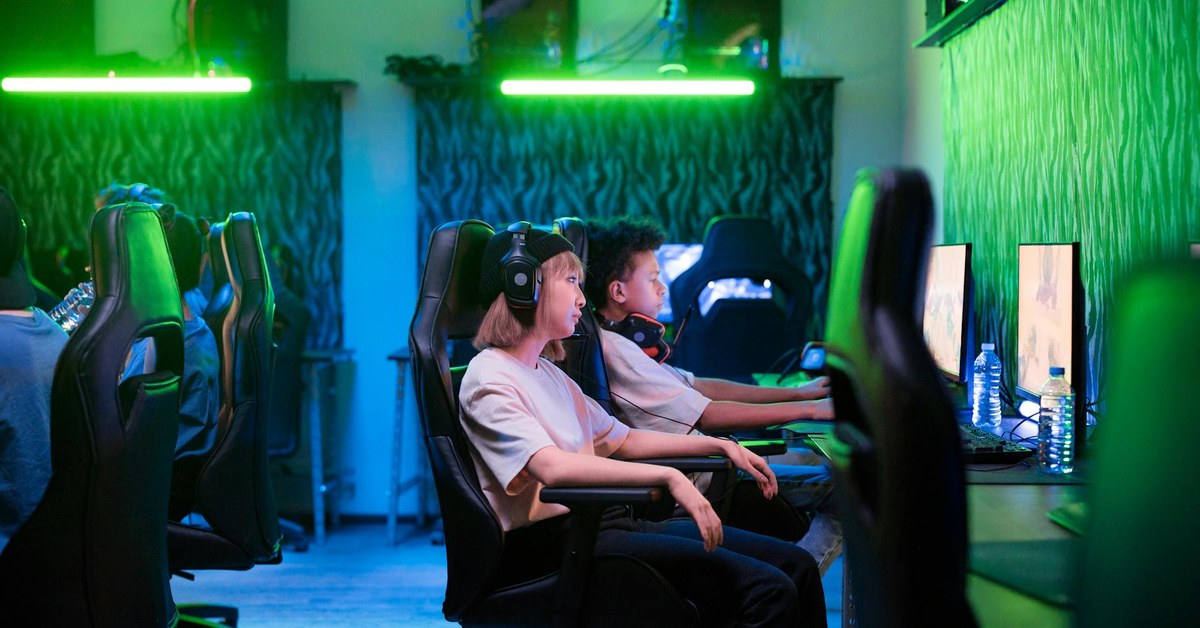
If you think of gaming as a solitary activity, you have an outdated picture. Modern online gaming is intensely social: most popular games among children and teenagers include real-time voice and text chat with other players, friend lists that connect players across sessions, and in some cases video. Children who play online games are potentially communicating with strangers across the world in every gaming session.
This social dimension is one of the things children value most about gaming, and it is also where the specific risks lie. Understanding how online gaming works socially is the starting point for making it safer.
Who Your Child Is Talking To
Most online games connect players with others, including strangers, as a normal part of gameplay. The matchmaking systems in popular titles like Roblox, Fortnite, Minecraft, and Call of Duty do not screen players by age. A child playing these games may be matched with players of any age.
Voice chat in gaming can feel more intimate than text-based communication: it is harder to monitor and creates a sense of real-time personal connection. Many parents who are aware that their child might communicate with strangers in text on social media do not apply the same awareness to gaming voice chat.
The specific risk of child grooming through gaming is real and documented. Groomers use gaming environments precisely because they can interact over a sustained period in a context that feels legitimate, building apparent friendship through shared activity before escalating toward personal and inappropriate contact. The child often does not realise the process has begun because each individual step seems like normal gaming friendship.
PEGI Ratings and What They Mean
PEGI (Pan European Game Information) ratings appear on all games sold in the UK and indicate the minimum age for which the content is considered appropriate. The ratings are: 3, 7, 12, 16, and 18. They reflect content including violence, sexual content, language, and themes, not the social interaction risks associated with online play.
Many games popular among younger teenagers and children are rated 12 or 16, meaning their content is not designed for younger players. The PEGI 18 rating for games like Grand Theft Auto means the content (which includes extreme violence and sexual content) is intended for adults only.
Following PEGI ratings is one layer of protection for content. But PEGI ratings do not address the social risks of who your child interacts with in online environments.
Setting Up Safe Gaming
Most gaming platforms and individual games have parental control features that allow you to limit communication, restrict purchases, and manage friend lists. The specific steps vary by platform but the controls exist and are worth using. Key controls to look for include: limiting voice and text chat to friends only (rather than open chat with any player), disabling cross-platform communication where possible, enabling spending restrictions or requiring parental approval for purchases, and reviewing and approving friend requests.
On PlayStation, Xbox, Nintendo Switch, and PC platforms (Steam, Epic Games) and mobile, search for parental controls in the settings and in the platform's help documentation. These controls work better when set up before problems arise rather than reactively.
In-Game Spending and Loot Boxes
In-game purchasing is now a standard feature of most popular games, and it is designed very carefully to encourage spending. Free-to-play games generate revenue through in-game purchases. Even paid games often include additional purchase content.
The specific concern for children is that in-game currencies, which are bought with real money and then spent on in-game items, obscure the real-money value of purchases. A child spending 800 V-Bucks feels differently about the transaction than a child spending £6.49, even though they are the same thing.
Loot boxes, which provide a random chance of obtaining in-game items, share structural characteristics with gambling. The UK government has considered their regulation, and several other countries have restricted or banned them. Understand whether the games your child plays include loot boxes and have a clear conversation about real-money spending before any occurs.
Screen Time and Gaming
Gaming can be a significant driver of screen time, partly because many online games are designed to be difficult to disengage from: there is always another match, another level, another reward. Agreeing clear gaming time limits before they become a point of conflict is much more effective than trying to impose limits after the fact.
Frame gaming limits around what else needs to happen rather than purely as restrictions on gaming: homework, family time, physical activity, sleep. A child who understands that gaming can happen after certain things are done is more likely to accept limits than one who experiences gaming restrictions as arbitrary punishment.
Observe your child's mood after extended gaming sessions. Some children find gaming genuinely relaxing and enjoyable without significant downsides. Others, particularly those playing competitive games, find extended gaming increases frustration and irritability. The effect varies by child and by game type, and your observations are more useful than any universal guidance.
Keeping the Conversation Open
The most protective approach to online gaming safety is the same as for any online safety: maintaining an ongoing conversation. Ask about the games your child plays, who they play with, what happens when they encounter other players. Show interest rather than suspicion. Play a game with them occasionally: this gives you direct exposure to the environment they are in and often prompts more honest conversation than a formal safety discussion.
Make sure your child knows they can tell you if anything happens in a game that makes them feel uncomfortable, including things said in voice chat, messages from other players, or requests that seem strange. Reassure them that telling you will not result in losing access to gaming: that reassurance is specifically important because fear of losing a valued activity is a major reason children do not disclose concerns to parents.