How Perfectionism Sabotages Body Confidence: Strategies for High-Achievers to Embrace Self-Compassion
Are you a high-achiever whose perfectionism fuels body image struggles? Discover practical strategies to break free, cultivate self-compassion, and build lasting body confidence.
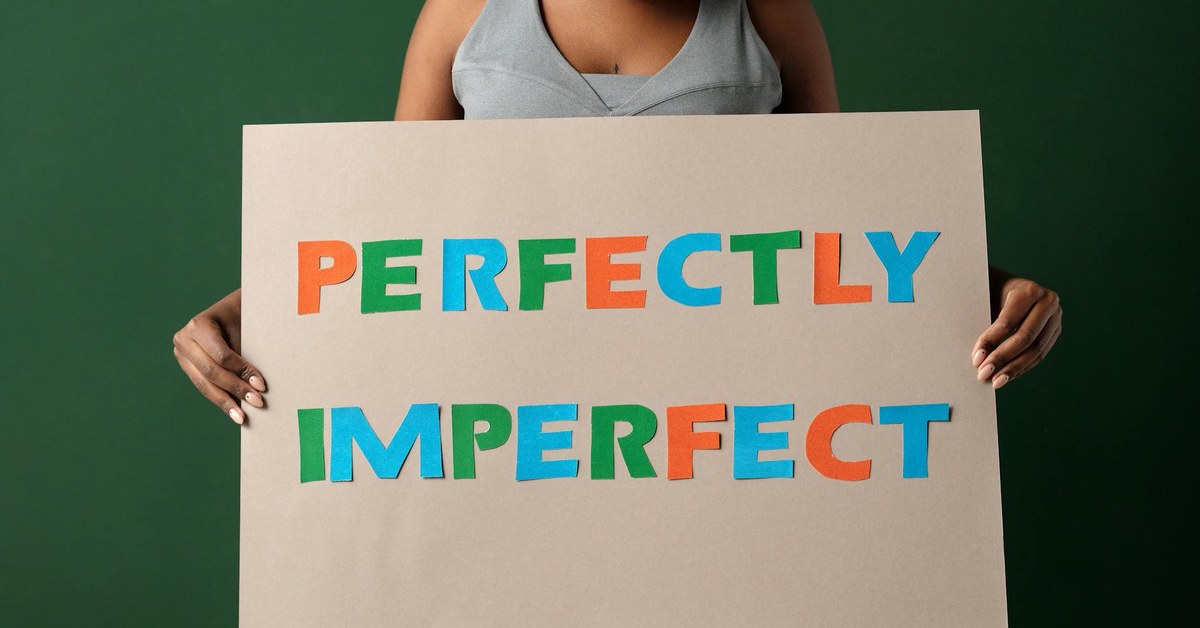

How Perfectionism Sabotages Body Confidence: Strategies for High-Achievers to Embrace Self-Compassion
“Are you a high-achiever whose perfectionism fuels body image struggles? Discover practical strategies to break free, cultivate self-compassion, and build lasting body confidence.”
For many high-achievers, the drive for excellence extends beyond careers and personal development, often infiltrating their perception of their own bodies. This relentless pursuit of an ideal, known as perfectionism, can severely undermine body confidence, creating a cycle of self-criticism and dissatisfaction. While ambition can be a powerful motivator, when coupled with an unhealthy focus on body image, it can lead to significant mental and emotional distress. This article explores how perfectionism sabotages body confidence in high-achievers and provides actionable strategies to cultivate self-compassion, fostering a more positive and resilient relationship with one’s body.
The Intertwined Nature of Perfectionism and Body Image
Perfectionism is a personality trait characterised by a person’s striving for flawlessness and setting excessively high standards, accompanied by overly critical self-evaluations. While it can drive success, it also carries a significant psychological cost, particularly when applied to areas like physical appearance.
How Perfectionism Manifests in Body Concerns
For high-achievers, the pursuit of a “perfect” body can become another project to master, another goal to meticulously plan and execute. This often manifests in several ways:
- Unrealistic Standards: High-achievers frequently set impossible benchmarks for their bodies, often influenced by filtered social media images or societal ideals. They might strive for an unattainable physique, leading to constant disappointment.
- Constant Self-Critique: Every perceived flaw becomes a target for criticism. A high-achiever might scrutinise their reflection, diet, or exercise regime with the same intensity they apply to a professional report, leading to persistent feelings of inadequacy.
- External Validation Seeking: The need for external approval, a common trait in perfectionism, can drive individuals to seek compliments or affirmation about their appearance. This reliance on others’ opinions makes body confidence fragile and dependent on external factors.
- Fear of Failure: The fear of not measuring up, of not achieving the “ideal” body, can lead to restrictive eating, over-exercising, or constant anxiety about appearance. A 2023 study published in the Journal of Eating Disorders indicated that individuals with high perfectionistic traits were twice as likely to report significant body dissatisfaction and disordered eating behaviours compared to their non-perfectionistic counterparts.
The Psychological Toll on High-Achievers
The relentless pressure to maintain an ideal body image, fuelled by perfectionism, takes a heavy toll on mental wellbeing. High-achievers often experience:
- Increased Anxiety and Stress: The constant monitoring and self-criticism can lead to chronic stress, anxiety disorders, and even panic attacks related to body image.
- Depression and Low Self-Worth: When the “perfect” body remains elusive, high-achievers may experience feelings of failure, leading to depression and a diminished sense of self-worth, despite their achievements in other areas.
- Burnout: The mental and physical energy expended on body image concerns can lead to burnout, impacting productivity and overall quality of life.
- Social Withdrawal: Some individuals might avoid social situations where they feel their body will be judged, further isolating them.
According to a leading psychologist specialising in mental health for ambitious individuals, “Perfectionism creates a mental trap where self-worth becomes inextricably linked to external validation, including physical appearance. High-achievers must learn to decouple their inherent value from their aesthetic, recognising that true confidence stems from within.”
Breaking Free: Cultivating Self-Compassion for Lasting Body Confidence
Shifting from a perfectionistic mindset to one of self-compassion is a powerful step towards building sustainable body confidence. Self-compassion involves treating oneself with kindness, understanding, and acceptance, especially in moments of perceived failure or inadequacy. It is not about self-pity or letting oneself off the hook, but rather about acknowledging suffering and responding with warmth and non-judgement.
Understanding Self-Compassion
Dr. Kristin Neff, a pioneer in self-compassion research, identifies three core components:
- Self-Kindness: Treating oneself with warmth and understanding rather than harsh self-criticism.
- Common Humanity: Recognising that suffering and personal inadequacy are part of the shared human experience, not isolated failures.
- Mindfulness: Being present with one’s feelings without over-identifying with them or suppressing them.
Unlike self-esteem, which often relies on evaluating oneself positively (and can be fragile if that evaluation drops), self-compassion offers a more stable foundation for self-worth, independent of external achievements or physical appearance.
Practical Strategies for High-Achievers
Here are actionable strategies for high-achievers to overcome perfectionism and cultivate self-compassion, leading to improved body confidence:
- Practise Mindful Body Scans: Regularly take moments to scan your body without judgement. Notice sensations, feelings, and the incredible functions your body performs. This helps to connect with your body as a functional entity rather than just an aesthetic object.
- Challenge Your Inner Critic: When critical thoughts about your body arise, pause and question them. Ask yourself: “Is this thought truly helpful? Would I say this to a friend? What evidence supports this belief?” Replace harsh self-talk with kinder, more realistic affirmations.
- Embrace Body Neutrality: Instead of striving for body positivity (which can feel like another form of pressure to “love” your body), aim for body neutrality. Focus on what your body does for you – it allows you to walk, think, create, and experience the world – rather than how it looks.
- Set Realistic and Health-Oriented Goals: Shift your focus from achieving an “ideal” weight or shape to sustainable health behaviours. For example, aim to nourish your body with balanced meals, move in ways that feel good, and prioritise sleep.
- Curate Your Digital Environment: Unfollow social media accounts that trigger comparison or feelings of inadequacy. Actively seek out diverse body types and voices that promote body acceptance and health at every size.
- Engage in Self-Care Routines: Dedicate time to activities that genuinely nourish you, not just those that promise aesthetic improvements. This could include spending time in nature, reading, listening to music, or pursuing hobbies.
- Seek Professional Support: If perfectionism and body image struggles are significantly impacting your life, consider seeking guidance from a therapist or counsellor. They can provide tools and strategies for [INTERNAL: managing anxiety and self-criticism] and developing healthier coping mechanisms. Organisations like the Mental Health Foundation offer excellent resources for finding support.
Key Takeaway: Cultivating self-compassion involves treating yourself with kindness, recognising shared human struggles, and observing your thoughts without judgement. This approach fosters a stable, internal sense of worth that is independent of physical appearance, offering a powerful antidote to perfectionism-driven body dissatisfaction.
Redefining Success Beyond Appearance
For high-achievers, success is often measured by tangible achievements and external recognition. To truly build lasting body confidence, it is crucial to broaden this definition of success to encompass internal wellbeing and values. Recognise your intrinsic worth, which is inherent and unconditional, not something to be earned through a perfect physique or flawless performance.
Focus on the impact you make, the relationships you nurture, the knowledge you gain, and the personal growth you achieve. When you align your self-worth with your values and contributions, rather than transient physical attributes, your body image becomes less central to your overall happiness and confidence. This shift allows for a more holistic and fulfilling life, where your body is appreciated for its capacity to facilitate your journey, rather than being a constant source of criticism.
What to Do Next
- Start a Self-Compassion Journal: Dedicate 5-10 minutes each day to writing down one instance where you were critical of your body or self, and then reframe it with a self-compassionate response.
- Identify Your Core Values: List 3-5 values (e.g., kindness, creativity, integrity, learning) that are most important to you. Reflect on how you can embody these values daily, shifting focus away from appearance.
- Take a Social Media Audit: Spend an hour reviewing your social media feeds. Unfollow or mute accounts that consistently make you feel inadequate or promote unrealistic body ideals. Follow accounts that celebrate diversity and promote mental wellbeing.
- Practise Mindful Movement: Choose a physical activity you genuinely enjoy and focus on the sensations in your body and how it feels to move, rather than on calorie burning or aesthetic outcomes.
- Connect with Support Networks: Talk to a trusted friend, family member, or join a support group where you can share your experiences and receive understanding without judgement.
Sources and Further Reading
- Mental Health Foundation. (2023). Body Image Report. https://www.mentalhealth.org.uk
- Neff, K. (2011). Self-Compassion: The Proven Power of Being Kind to Yourself. William Morrow. https://self-compassion.org
- World Health Organisation (WHO). (2022). Mental health and well-being. https://www.who.int
- [INTERNAL: Understanding and Managing Perfectionism]
- [INTERNAL: Building Resilience: A Guide for Families]