Pre-Baby Nursery Safety Audit: Your Comprehensive Checklist for First-Time Parents
Ensure peace of mind before baby arrives with our comprehensive pre-baby nursery safety audit checklist. Essential tips for first-time parents to prevent accidents.
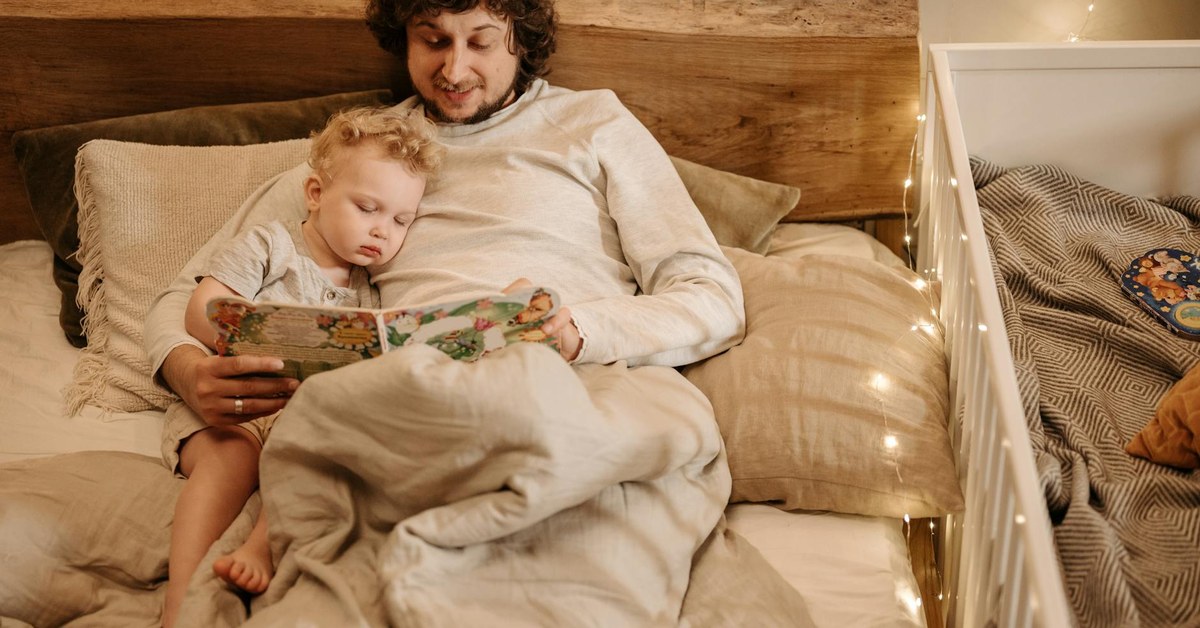

Pre-Baby Nursery Safety Audit: Your Comprehensive Checklist for First-Time Parents
“Ensure peace of mind before baby arrives with our comprehensive pre-baby nursery safety audit checklist. Essential tips for first-time parents to prevent accidents.”
Preparing for a new arrival is an exciting journey, filled with anticipation and countless preparations. Among the most crucial steps for first-time parents is conducting a thorough pre-baby nursery safety audit. This proactive approach ensures your baby’s sanctuary is a haven of safety, preventing potential hazards before your little one even arrives. A safe nursery provides not just physical protection for your newborn, but also invaluable peace of mind for you.
Room Layout and Furniture Placement
The foundation of a safe nursery begins with its layout and the secure placement of furniture. Every item in the room should be chosen and positioned with your baby’s evolving needs and potential for exploration in mind.
Cot and Sleeping Area Safety
The cot is the centrepiece of the nursery and requires paramount attention to safety. * Cot Standards: Ensure your cot meets current safety standards. Look for a firm mattress that fits snugly, leaving no gaps larger than two fingers between the mattress and the cot sides. Gaps can pose a serious entrapment risk. * Placement: Position the cot away from windows, blinds, curtains, and any cords that could present a strangulation hazard. According to the Lullaby Trust, an independent charity, over 27% of sudden infant deaths occur in unsafe sleeping environments. Avoid placing the cot directly under shelves or heavy wall hangings that could fall. * No Loose Items: Keep the cot free from bumpers, pillows, duvets, blankets, and stuffed toys. These items increase the risk of suffocation or overheating. A child safety expert advises, “For safe sleep, the cot should contain only the baby and a fitted sheet. Nothing else.” * Mattress Height: Adjust the mattress height as your baby grows. The highest setting is for newborns, but as soon as your baby can push up on their hands and knees, lower the mattress to prevent falls.
Furniture Anchoring and Stability
As your baby grows, they will begin pulling themselves up, making furniture stability a critical concern. * Anchor All Furniture: Secure all heavy furniture, such as dressers, changing tables, and bookshelves, to the wall using anti-tip anchor kits. The Royal Society for the Prevention of Accidents (ROSPA) highlights that furniture tip-overs cause hundreds of injuries and deaths to children annually, with toddlers being particularly vulnerable. * Changing Table Security: Choose a changing table with safety rails around all four sides. Always keep one hand on your baby while changing them, even if using a safety strap. Keep all changing supplies within easy reach to avoid turning your back. * Storage: Store heavier items in lower drawers to improve furniture stability.
Key Takeaway: A safe sleeping environment and securely anchored furniture are non-negotiable for newborn nursery safety, drastically reducing risks of suffocation, entrapment, and tip-over accidents.
Sleep Safety Essentials
Beyond cot placement, understanding safe sleep practices is fundamental for preventing Sudden Infant Death Syndrome (SIDS) and other sleep-related hazards.
- Back to Sleep: Always place your baby on their back to sleep, for every nap and every night sleep. This is the single most effective way to reduce the risk of SIDS, as recommended globally by organisations like UNICEF and the World Health Organisation (WHO).
- Optimal Room Temperature: Maintain a comfortable room temperature, ideally between 16-20°C (61-68°F). Overheating is a known risk factor for SIDS. Dress your baby in light sleepwear and avoid excessive layering. A room thermometer can be a valuable tool.
- Baby Monitors: A baby monitor can provide reassurance, but it is not a substitute for regular checks. Position the monitor securely, ensuring all cords are well out of reach of the cot and any climbing surfaces. Consider models with temperature sensors for added peace of mind. [INTERNAL: choosing a safe baby monitor]
Electrical and Fire Safety
Electrical and fire hazards can be devastating. A thorough pre-baby nursery safety audit includes robust checks in these areas.
Electrical Outlets and Cords
- Cover All Outlets: Install safety covers on all unused electrical outlets. These prevent curious fingers from exploring sockets.
- Secure Cords: Ensure all electrical cords from lamps, monitors, and other devices are tucked away, secured, and out of reach. Long, dangling cords pose a strangulation risk. Use cord shorteners or tie-wraps to manage excess length.
- Avoid Overloading Sockets: Do not overload electrical sockets. Use surge protectors for multiple devices, but ensure they are also out of reach.
Smoke and Carbon Monoxide Detectors
- Install Detectors: Install a working smoke detector inside or directly outside the nursery door, and on every level of your home. Test them monthly and replace batteries annually.
- Carbon Monoxide Alarm: A carbon monoxide alarm is equally vital, especially if your home has fuel-burning appliances. Carbon monoxide is an invisible, odourless gas that can be fatal. Place an alarm in the nursery or nearby hallway.
- Fire Escape Plan: Develop and practise a family fire escape plan, ensuring everyone knows two ways out of the house and a designated meeting point.
Hazard Prevention and Childproofing
Childproofing extends beyond the cot and electrical points to every corner of the nursery, addressing potential choking, poisoning, and injury risks.
Window Safety
- Cordless Blinds/Curtains: Replace blinds and curtains with cords with cordless alternatives. If this is not possible, install cord cleat devices to keep cords securely out of reach. A child safety expert states, “Window blind cords are a silent strangulation hazard; eliminating them is a top priority.”
- Window Locks: Install window locks or guards that prevent windows from opening more than a few inches, while still allowing for emergency escape.
Small Items and Choking Hazards
- Clear Surfaces: Keep all small items, such as coins, buttons, batteries, beads, and small toy parts, completely out of the nursery. Anything small enough to fit through a toilet paper roll can be a choking hazard for an infant.
- Toy Storage: Store toys in sturdy bins or baskets that are securely attached to the wall or too heavy to tip over. Ensure toy chests have safety hinges that prevent the lid from slamming shut.
Chemical and Poison Control
- Secure Cleaning Products: Keep all cleaning supplies, medicines, cosmetics, and other potentially toxic substances locked away, out of sight and reach. This includes nappy cream, baby powder, and lotions if they contain harmful ingredients.
- Plants: Remove any toxic house plants from the nursery. Research common household plants to identify those that are poisonous.
Air Quality and Environment
The air your baby breathes and the overall environment of their nursery play a significant role in their health and wellbeing.
- Ventilation: Ensure good ventilation in the nursery. Open windows periodically (when safe and warm enough) to allow fresh air circulation, but ensure screens are secure.
- VOCs and Paints: If painting or furnishing the nursery, do so well in advance of your baby’s arrival. Use low-VOC (Volatile Organic Compound) paints and allow ample time for fumes to dissipate. New furniture can also off-gas chemicals, so air out the room thoroughly.
- Pet Safety: If you have pets, ensure their access to the nursery is controlled, especially when the baby is sleeping unsupervised. A safety gate at the nursery door can be helpful. [INTERNAL: introducing pets to a new baby]
- Temperature Control: In addition to temperature monitoring, consider the use of humidifiers or air purifiers if recommended by a paediatrician for specific health concerns. Ensure these devices are cleaned regularly to prevent mould and bacteria growth.
What to Do Next
Completing your pre-baby nursery safety audit is a significant step towards ensuring a safe environment for your newborn. Follow these concrete actions to finalise your preparations:
- Walk Through with a Checklist: Use this article as a checklist, walking through the nursery room by room, item by item. Mark off each safety measure as you implement it.
- Involve Another Adult: Ask a partner, friend, or family member to perform a second safety check. A fresh pair of eyes can often spot hazards you might have overlooked.
- Regular Re-evaluation: Understand that childproofing is an ongoing process. As your baby grows and develops new skills (rolling, crawling, standing), new hazards will emerge. Re-evaluate the nursery’s safety every few months.
- Emergency Contacts: Post emergency numbers (local emergency services, paediatrician, poison control) in an easily accessible location, like on the fridge or next to the phone.
Sources and Further Reading
- The Lullaby Trust: lullabytrust.org.uk
- UNICEF: unicef.org
- World Health Organisation (WHO): who.int
- Royal Society for the Prevention of Accidents (ROSPA): rospa.com