Prescription Medication Misuse Among Young Adults: Risks
Prescription medication misuse is a significant and often underestimated health issue among young adults globally. Understanding the risks, recognising the signs, and knowing where to seek help can be life-saving.
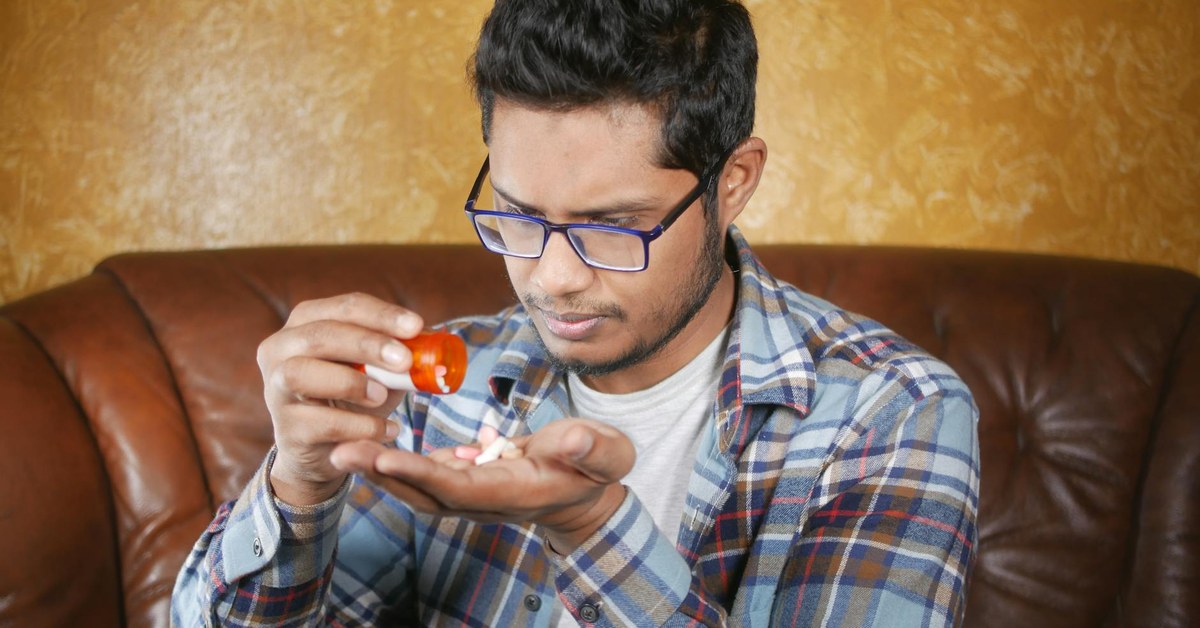

Prescription Medication Misuse Among Young Adults: Risks
“Prescription medication misuse is a significant and often underestimated health issue among young adults globally. Understanding the risks, recognising the signs, and knowing where to seek help can be life-saving.”
Defining the Problem
Prescription medication misuse refers to taking a prescription drug in a way other than prescribed by a doctor, taking someone else prescription medication, or taking a medication for the purpose of achieving a high or other non-medical effect. It is distinct from general drug misuse in that the substances involved are legally manufactured pharmaceutical products, which can make the risks feel less apparent than those associated with illicit street drugs. This perception is one of the central reasons why prescription medication misuse has become a significant global health issue, particularly among young adults.
The most commonly misused prescription drug categories globally are opioid painkillers such as oxycodone, hydrocodone, codeine, and tramadol; stimulants used to treat ADHD such as methylphenidate and amphetamine salts; benzodiazepines and other sedatives used to treat anxiety and sleep disorders such as diazepam and alprazolam; and certain prescription preparations containing codeine or promethazine. Each category carries distinct risks, but all share a common thread: they are powerful substances that act on the central nervous system, carry real potential for dependence and addiction, and can cause serious harm or death when misused, particularly in combination with alcohol or other drugs.
The Global Scale
The United Nations Office on Drugs and Crime World Drug Report consistently identifies pharmaceutical drugs as one of the fastest-growing categories of misused substances worldwide. The United States experienced what became known as the opioid crisis: a combination of aggressive pharmaceutical marketing, over-prescribing, and the subsequent transition of many dependent individuals to heroin and illicit fentanyl. The crisis has resulted in hundreds of thousands of overdose deaths, disproportionately affecting people in their twenties and thirties.
But the problem is not confined to North America. In Australia, prescribed opioid misuse has been identified as a major public health concern, with the country consistently ranking among the highest per-capita consumers of prescription opioids globally. In Europe, misuse of benzodiazepines and opioids is documented across multiple countries, with particularly high rates in parts of Eastern Europe. In Nigeria, the misuse of codeine-promethazine cough syrup prompted an outright ban on codeine cough syrups in 2018. In India, similar patterns exist around cough preparations and sedatives. These examples illustrate that prescription medication misuse is not a problem unique to wealthy nations: it is a global public health challenge.
Among young adults specifically, the European School Survey Project on Alcohol and Other Drugs found that prescription sedative and tranquilliser misuse among 15 to 16-year-olds was reported across all participating European countries, with rates varying from 5 per cent to over 20 per cent in some nations. In the US, the National Survey on Drug Use and Health consistently finds that young adults aged 18 to 25 have higher rates of prescription drug misuse than any other age group.
Why Young Adults Are Particularly Vulnerable
Several factors make young adults specifically vulnerable to prescription medication misuse, and understanding these factors matters because it shapes both prevention and response.
Academic and performance pressure is a primary driver of stimulant misuse. ADHD medications like Adderall and Ritalin have been widely used without a prescription at universities worldwide as perceived cognitive enhancers or study aids, often during exam periods. Studies from universities in the United States, United Kingdom, Germany, and Australia have found rates of non-prescribed stimulant use among students ranging from 5 per cent to over 30 per cent depending on the institution and measurement method. The perceived benefit is often overstated: research evidence for cognitive enhancement in people without ADHD is weak, and the risks including cardiovascular strain, anxiety, insomnia, and dependence are real.
Social normalisation plays a significant role. When prescription medication use becomes common within a peer group, the perceived risk diminishes. If several friends are casually sharing anxiety medication or using stimulants for study, the behaviour begins to seem normal and low-risk, even when the pharmacological reality is quite different.
Ease of access has changed dramatically with the growth of online pharmacies and unregulated online markets. In many countries, prescription drugs can be obtained through illegitimate online suppliers without a prescription, often at low cost and with little scrutiny. Social media platforms and messaging apps have also facilitated peer-to-peer sharing and selling of prescription medications in ways that were not possible a generation ago.
Mental health struggles are common in young adulthood and can lead to self-medication with prescription drugs, particularly anxiolytics and opioids. Young adults experiencing anxiety, depression, or trauma may seek out and misuse sedatives or pain relievers to manage these experiences, often without understanding the dependence risk or the way these substances can worsen underlying mental health conditions over time. Curiosity and recreational use also feature, particularly in social contexts. Prescription opioids and benzodiazepines produce feelings of relaxation and euphoria that are valued in recreational settings, and their pharmaceutical provenance can make them seem safer than equivalent street drugs. They are not.
The Risks: What Misuse Actually Does
The risks associated with prescription medication misuse are serious and, in some cases, fatal. Opioids work by binding to opioid receptors in the brain and body, reducing pain and producing feelings of relaxation and euphoria. They also suppress the respiratory system. The primary risk of opioid misuse is respiratory depression, slowed or stopped breathing, which is the mechanism of opioid overdose. This risk is dramatically increased when opioids are combined with alcohol, benzodiazepines, or other depressants. Dependence can develop within weeks of regular use, and withdrawal is intensely uncomfortable, which drives continued use even in people who want to stop. The risk of accidental overdose is heightened when tolerance has reduced through a period of abstinence and the person then returns to a previously familiar dose that is now dangerously high.
Benzodiazepines and sleeping tablets act on the brain GABA system, producing sedation, anxiety reduction, and muscle relaxation. Physical dependence develops relatively quickly, sometimes within a few weeks of regular use. Withdrawal from benzodiazepines can be medically dangerous, including the risk of seizures, and should not be attempted without medical supervision after prolonged use. Benzodiazepines are involved in a significant proportion of drug overdose deaths, usually in combination with opioids or alcohol.
Prescription stimulants carry cardiovascular risks including elevated heart rate, raised blood pressure, and in severe cases, cardiac arrhythmia or stroke, particularly at high doses. In people with undiagnosed heart conditions, stimulant misuse can be acutely dangerous. Psychologically, high-dose stimulant use can trigger anxiety, paranoia, and in some cases stimulant-induced psychosis. Drug interactions represent a risk that casual users frequently underestimate. Combining prescription drugs with alcohol, cannabis, or other substances can produce unpredictable and dangerous interactions. The combination of opioids and alcohol is particularly lethal: both suppress the central nervous system, and together the effect is multiplicative rather than additive.
Recognising Misuse: Signs in Yourself and Others
Prescription medication misuse exists on a spectrum, and it is not always obvious when use crosses into problematic territory. Some indicators to be aware of include: using a prescription medication in a way not directed by a doctor, including at higher doses or more frequently; using someone else prescription medication; continuing to use a medication primarily because stopping causes discomfort or anxiety; using medication as a primary coping mechanism for stress, emotional pain, or social situations; spending significant time obtaining, using, or recovering from the effects of a substance; and finding that the substance is increasingly interfering with work, study, relationships, or other activities.
Physical signs can include unexplained mood changes, cycles of high energy followed by significant crashes, changes in sleep patterns, weight changes, withdrawal from previously enjoyed activities, and changes in social circle. None of these signs is definitive on its own, but patterns across several areas merit attention. For those concerned about a friend or family member, approaching the conversation with curiosity and concern rather than judgment is more likely to lead to a productive response. People are more likely to seek help when they feel supported rather than shamed.
The Role of Stigma
Stigma around addiction and substance misuse is a significant barrier to people seeking help. There is a cultural tendency to perceive prescription drug misuse as a moral failure or character weakness rather than a health issue, which causes people to hide their use, avoid seeking help, and suffer in silence. In reality, addiction is a complex condition involving changes in brain chemistry, behaviour, and environment, and it responds to evidence-based treatment.
The stigma is compounded in the case of prescription medications by the perceived legitimacy of the substances. Some people feel shame about being unable to control something that a doctor prescribed to someone else for a legitimate medical reason. This double stigma can make it even harder to speak openly about the problem. Healthcare providers, counsellors, and support services are trained to respond to these concerns without judgment. The first step of reaching out is typically the hardest, and many people find it easier than they anticipated.
Safe Storage and Disposal: A Shared Responsibility
One often-overlooked aspect of prescription drug safety is the role of proper storage and disposal in preventing misuse. A significant proportion of misused prescription drugs are obtained from the medicine cabinets of family members, friends, or acquaintances. Storing prescription medications securely, disposing of unused medications promptly through appropriate channels, and being thoughtful about who has access to prescription drugs in your home all contribute to reducing availability.
In many countries, pharmacies accept unused or expired medications for safe disposal. In the US, the Drug Enforcement Administration runs National Prescription Drug Take-Back Day events twice yearly, and many pharmacies provide year-round disposal options. In the UK, pharmacies are required to accept unwanted medications for safe disposal. Using these services rather than flushing medications or throwing them in the bin reduces both environmental contamination and the risk of others accessing them.
Getting Help: What Options Exist
If you or someone you know is struggling with prescription medication misuse, a range of support options is available, and the earlier help is sought, the better the outcomes tend to be.
Your GP or primary care doctor is often the best first point of contact. They can assess the situation without judgment, provide medical support for safely reducing or stopping use, address underlying mental health issues, and refer to specialist services if needed. In many countries, consultations with your GP are confidential and there are strict limits on what information can be shared without your consent.
Addiction and substance misuse services exist in most countries, ranging from outpatient counselling and medication-assisted treatment to residential rehabilitation programmes. In the UK, NHS services including Change Grow Live and WithYou provide free, confidential support. In Australia, the National Alcohol and Other Drug Hotline connects callers to local services. In the US, the Substance Abuse and Mental Health Services Administration helpline provides referrals to local treatment facilities and support groups, and is available 24 hours a day.
Peer support groups such as Narcotics Anonymous and SMART Recovery operate in most countries and provide community-based support from people with lived experience of recovery. These groups can be particularly valuable for addressing the social and psychological dimensions of misuse alongside any medical treatment. Online and telephone resources are valuable for those who are not ready to speak to someone in person or who face barriers to accessing in-person services. Many organisations offer live chat, text-based support, and helpline services that can be accessed privately.
A Final Word
Prescription medication misuse is a serious issue, but it is also one that many people navigate and recover from with appropriate support. The narrative of addiction as a permanent, defining condition is not supported by evidence: the majority of people who develop problematic substance use, including with prescription medications, do achieve recovery, particularly when they access help early and have adequate social support.
Understanding the risks, being honest with yourself about your own patterns of use, looking out for people around you, and knowing where help exists are all meaningful contributions to addressing this issue. Neither silence nor shame serves anyone well here. Open, informed conversations about prescription medication misuse are among the most effective tools we have for reducing harm at both individual and community levels.