The Proactive Parent's Guide to Preventing Nursery Accidents & Ensuring Baby Safety
Protect your baby from common nursery hazards. This comprehensive guide offers proactive strategies for preventing accidents and creating a truly safe nursery environment.
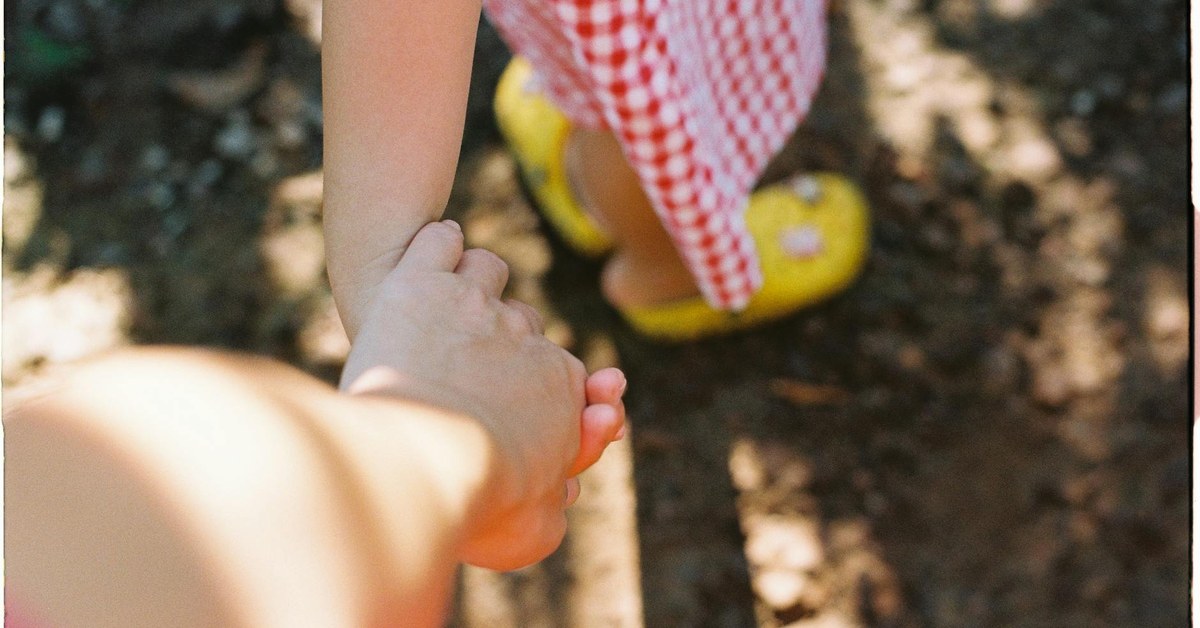

The Proactive Parent's Guide to Preventing Nursery Accidents & Ensuring Baby Safety
“Protect your baby from common nursery hazards. This comprehensive guide offers proactive strategies for preventing accidents and creating a truly safe nursery environment.”
Creating a safe haven for your newborn is a paramount concern for all parents. From the moment you bring your baby home, ensuring their environment is secure becomes a top priority. This comprehensive guide will equip you with the knowledge and practical steps necessary for preventing nursery accidents, transforming your baby’s room into a truly safe and nurturing space where they can grow and explore without unnecessary risks. We will delve into common hazards, effective childproofing techniques, and crucial safety considerations to protect your little one from injury.
Understanding Common Nursery Safety Hazards
The nursery, designed as a sanctuary, can inadvertently harbour numerous risks if not meticulously prepared. Babies and young children, driven by curiosity and developing motor skills, are particularly vulnerable to household accidents. Understanding these potential nursery safety hazards is the first step towards effective prevention.
Key Risk Areas in the Nursery:
- Falls: These are among the most frequent nursery accidents. Babies can fall from changing tables, beds, or even out of their cribs if the mattress is too low or the side rail is not properly secured. As they learn to crawl and pull up, furniture can become a climbing hazard.
- Suffocation and Strangulation: Soft bedding, loose blankets, bumpers, and toys in the crib pose suffocation risks. Blind cords, electrical cables, and even clothing drawstrings can lead to strangulation.
- Poisoning: While less common directly in a baby’s crib, medicines, cleaning products, cosmetics, and even certain plants stored within reach can be ingested once a child becomes mobile.
- Burns and Scalds: Electrical outlets, hot light bulbs, heaters, and humidifiers can cause burns. Hot liquids, if brought into the nursery, also present a scald risk.
- Choking: Small objects, detached parts from toys, buttons, coins, or even pieces of food left within reach can pose a choking hazard for infants and toddlers.
- Entrapment: Gaps between crib slats, furniture and walls, or in poorly designed playpens can trap a child’s head or limbs.
According to a 2022 report by UNICEF, unintentional injuries are a leading cause of death and disability among children globally, with a significant proportion occurring in the home environment. The Red Cross also highlights that falls and choking are particularly prevalent among infants and toddlers. “Proactive risk assessment is not about fear, but about empowering parents with knowledge,” states a paediatric safety consultant. “Every parent should view their nursery through the eyes of a curious, exploring child.”
Key Takeaway: Recognising the most common nursery safety hazards, such as falls, suffocation, and choking, is fundamental to developing effective prevention strategies and creating a secure environment for your baby.
Childproofing Essentials: A Room-by-Room Guide for Baby Injury Prevention
Effective childproofing goes beyond simply installing a few gadgets; it requires a systematic approach to identify and mitigate risks throughout the entire nursery. Here is a detailed guide to creating a truly safe nursery environment.
Crib and Sleeping Area Safety
The crib is where your baby spends a significant amount of time, making it the most critical area for safety.
- Bare is Best: Always follow the “ABC” of safe sleep: Alone, Back, Crib. The crib should be free of loose bedding, blankets, pillows, bumper pads, stuffed animals, and any other soft objects. These items significantly increase the risk of Sudden Infant Death Syndrome (SIDS) and accidental suffocation. A fitted sheet on a firm mattress is all that is needed. The Lullaby Trust, a UK charity promoting safer sleep for babies, consistently advises against the use of cot bumpers and soft bedding.
- Mattress Firmness and Fit: Ensure the mattress is firm and fits snugly within the crib frame, leaving no gaps larger than two fingers between the mattress and the crib sides. Gaps can lead to entrapment.
- Crib Slats: Crib slats should be no more than 6 centimetres (2 3/8 inches) apart to prevent a baby’s head from becoming trapped.
- Mattress Height: Adjust the mattress height as your baby grows. When your baby can push up on their hands and knees, lower the mattress to its lowest position. Ensure the highest side rail is at least 66 centimetres (26 inches) above the mattress.
- Crib Placement: Position the crib away from windows, blinds, curtains, wall decorations, and electrical cords. A baby can reach and pull on these items, leading to strangulation or falls.
- Avoid Drop-Side Cribs: Many countries have banned or recalled drop-side cribs due to safety concerns, including entrapment and falls. If you have an older crib, verify it meets current safety standards.
Changing Station Safety
Changing nappies is a frequent activity, and safety here is paramount to prevent falls.
- Stay Present: Never leave your baby unattended on a changing table, even for a second. Keep all necessary items, such as nappies, wipes, and cream, within arm’s reach before you begin.
- Secure Straps: If your changing table has safety straps, always use them. They offer an additional layer of protection, but are not a substitute for constant supervision.
- Sturdy Design: Ensure the changing table is stable and robust. If using a changing pad on a dresser, secure it with non-slip backing or straps.
- Height: Choose a changing table height that is comfortable for you, reducing the likelihood of you needing to turn away or strain, which could compromise your focus on the baby.
Furniture and Storage Safety
As your baby becomes more mobile, furniture stability becomes a critical concern.
- Anchor Furniture: Dressers, bookshelves, and chests of drawers pose a serious tip-over risk. Use furniture anchor kits to secure all tall or heavy furniture to the wall. The Royal Society for the Prevention of Accidents (RoSPA) reports that furniture tip-overs cause hundreds of injuries and several fatalities each year, particularly among young children.
- Rounded Edges: Opt for furniture with rounded edges or apply corner protectors to sharp corners to prevent bumps and cuts.
- Secure Storage: Keep heavy or breakable items, and anything that could be a choking hazard, in drawers or cupboards secured with child-safety locks.
- Clutter-Free: Maintain a tidy nursery. Clutter on the floor can be a tripping hazard for parents carrying a baby, and objects within reach can become hazards for an exploring infant.
Window and Blind Safety
Windows and their coverings present multiple dangers.
- Window Guards/Stops: Install window guards or window stops to prevent windows from opening more than a few inches, preventing falls.
- Cordless Blinds: Replace blinds with cords with cordless alternatives. If this is not possible, install cord cleats or tie-downs to keep cords well out of reach of children. Loose cords are a significant strangulation risk. “Blind cords are a silent danger,” warns a child injury prevention specialist. “Parents often overlook them until it’s too late. Cordless solutions are always the safest option.”
- Furniture Placement: Do not place cribs, changing tables, or other climbable furniture near windows.
Electrical Safety
Curious fingers can easily find their way into electrical outlets.
- Outlet Covers: Install tamper-resistant outlet covers on all unused electrical sockets.
- Cord Management: Secure all electrical cords to baseboards or use cord management systems to keep them out of reach. Avoid running cords under rugs where they can be damaged or create tripping hazards.
- Appliance Placement: Keep electrical appliances such as humidifiers, nightlights, and baby monitors out of your baby’s reach and ensure they are placed on stable surfaces.
Toy Safety
Toys are essential for development but must be chosen and managed carefully. [INTERNAL: toy safety guidelines]
- Age Appropriateness: Always check the age recommendations on toys. Toys designed for older children may contain small parts that are choking hazards for infants.
- Regular Inspection: Regularly inspect toys for damage, loose parts, sharp edges, or splinters. Discard or repair broken toys.
- Storage: Store toys in easily accessible, child-safe containers, but ensure the containers themselves don’t pose a risk (e.g., heavy lids that could fall, or large boxes a child could get stuck in).
- Battery Safety: Ensure all battery compartments are securely fastened with screws, as swallowed button batteries can cause severe internal injuries.
Beyond Physical Hazards: Environmental Safety for a Safe Nursery Environment
Safety extends beyond physical barriers and covers the overall environment.
Temperature Control and Air Quality
- Optimal Temperature: Maintain a comfortable room temperature, typically between 18-20°C (65-68°F), to prevent overheating, which is a risk factor for SIDS. Use a room thermometer to monitor.
- Ventilation: Ensure good ventilation in the nursery without creating a draught directly on the baby.
- Air Quality: Avoid smoking anywhere near the home. Use air purifiers if necessary, but ensure they are out of reach. Be mindful of volatile organic compounds (VOCs) from new furniture or paint; ensure the room is well-aired before the baby moves in.
Smoke and Carbon Monoxide Detectors
- Install and Test: Install smoke detectors and carbon monoxide detectors in the nursery and adjacent hallways. Test them monthly and replace batteries annually. These devices provide crucial early warnings for invisible dangers.
Pet Safety
If you have pets, introduce them to the baby gradually and never leave them unsupervised together, even if they are usually gentle. Ensure pet food and water bowls are not accessible to the baby once they start crawling, as they can present choking or hygiene hazards.
Emergency Preparedness
- First Aid Kit: Keep a well-stocked baby-specific first aid kit readily accessible.
- Emergency Contacts: Post emergency numbers (local emergency services, paediatrician, poison control) near the phone or in a visible location.
- CPR Knowledge: Consider taking a paediatric first aid and CPR course. Knowing how to respond in an emergency can be life-saving.
Key Takeaway: A truly safe nursery environment integrates physical childproofing with environmental monitoring and parental preparedness, creating a holistic safety net for your baby.
Age-Specific Safety Considerations: A Newborn Safety Guide and Beyond
While many safety measures are universal, some considerations become more critical as your baby grows and develops new skills. This newborn safety guide extends to early infancy and beyond.
Newborns (0-3 Months)
- Focus: Primarily on safe sleep practices. SIDS prevention is paramount.
- Hazards: Suffocation from soft bedding, falls from being left unattended on elevated surfaces.
- Actions: Implement “bare is best” in the crib. Always hold your baby securely; never place them on high surfaces without constant, direct supervision. Ensure all furniture is stable and anchored.
Infants (3-6 Months)
- Focus: As babies start to roll, reach, and grasp, new hazards emerge.
- Hazards: Rolling off changing tables or beds, grabbing loose objects or cords, pulling items down onto themselves.
- Actions: Be extra vigilant on changing tables. Ensure all cords are secured. Check toys for small, detachable parts. Begin anchoring furniture.
Crawlers (6-12 Months)
- Focus: Mobility introduces a whole new level of exploration and potential danger.
- Hazards: Accessing electrical outlets, pulling on cords, opening cupboards, ingesting small objects, climbing.
- Actions: Install outlet covers and child-safety locks on cupboards. Ensure all furniture is anchored. Use safety gates at the top and bottom of stairs, and to block off unsafe rooms. [INTERNAL: general childproofing guide] Regularly get down on your hands and knees to see the nursery from your baby’s perspective, identifying new potential hazards.
Expert Insight:
“As babies develop, their world expands rapidly,” explains a child development specialist. “What wasn’t a hazard yesterday can become a significant risk today. Regular re-evaluation of the nursery’s safety, especially during developmental milestones like rolling, crawling, and pulling up, is non-negotiable for baby injury prevention.”
What to Do Next
- Conduct a Safety Audit: Walk through your nursery with this guide in hand. Systematically check every item and area against the recommendations. Get down to your child’s level to spot overlooked hazards.
- Purchase and Install Safety Gear: Prioritise essential items like furniture anchors, outlet covers, blind cord cleats or cordless blinds, and safety gates. Install them correctly, following manufacturer instructions.
- Educate Caregivers: If others care for your baby, ensure they are fully aware of your nursery safety rules and practices, particularly regarding safe sleep and supervision.
- Stay Informed and Adapt: Children grow and develop quickly. Revisit your nursery safety measures regularly, especially as your baby reaches new milestones. Stay updated on product recalls and new safety recommendations from reputable organisations.
- Learn First Aid: Enrol in a paediatric first aid and CPR course. This knowledge empowers you to respond effectively in an emergency, providing peace of mind alongside preventative measures.
Sources and Further Reading
- World Health Organisation (WHO) - Child Injury Prevention: www.who.int/teams/social-determinants-of-health/safety-and-mobility/child-injury-prevention
- UNICEF - Child Safety and Injury Prevention: www.unicef.org/protection/child-safety-and-injury-prevention
- The Lullaby Trust - Safer Sleep for Babies: www.lullabytrust.org.uk
- National Society for the Prevention of Cruelty to Children (NSPCC) - Child Safety at Home: www.nspcc.org.uk/keeping-children-safe/home-safety
- Royal Society for the Prevention of Accidents (RoSPA) - Home Safety: www.rospa.com/home-safety