Shielding Your Mind: Proactive Peer Pressure Resistance for Lasting Mental Health
Learn proactive strategies to build inner strength and shield your mental wellbeing from the subtle and overt pressures of peers. Protect your peace.
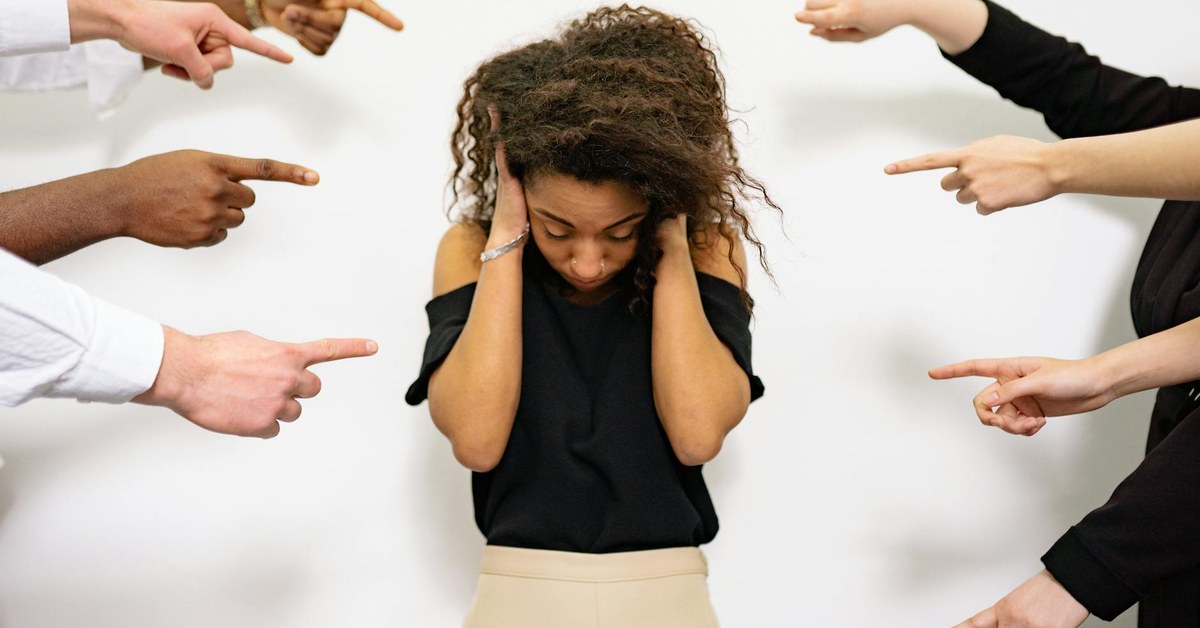

Shielding Your Mind: Proactive Peer Pressure Resistance for Lasting Mental Health
“Learn proactive strategies to build inner strength and shield your mental wellbeing from the subtle and overt pressures of peers. Protect your peace.”
Navigating social landscapes is a fundamental part of growing up, yet it often comes with the challenging reality of peer pressure. This external influence, whether subtle or direct, can significantly impact a young person’s choices, self-esteem, and overall mental health. Developing proactive peer pressure resistance is not merely about saying ‘no’; it is about cultivating an inner strength and a robust toolkit to safeguard emotional wellbeing and mental peace. This article explores comprehensive strategies for families and young people to build resilience against peer influence, fostering a secure foundation for lasting mental health.
Understanding the Landscape of Peer Pressure
Peer pressure manifests in various forms, making it a complex challenge to address. Recognising its different guises is the first step towards effective resistance.
Overt vs. Covert Pressure
Peer pressure is not always an obvious, direct command. It can be insidious, weaving itself into social dynamics without explicit demands.
- Overt Pressure: This is direct and explicit. Examples include:
- Being dared or challenged to do something risky or against one’s values.
- Direct verbal persuasion or taunting to conform.
- Threats of exclusion or ridicule if one does not comply.
- Covert Pressure: This is indirect and often more subtle, making it harder to identify and resist. Examples include:
- Observing peers engaging in certain behaviours and feeling an unspoken expectation to join in.
- The desire to fit in or be accepted by a group leading to self-censorship or changes in behaviour.
- “Jokes” or teasing that subtly push someone towards a particular action.
- Social media trends or challenges that create a sense of obligation to participate.
Understanding these distinctions allows young people and their families to develop more nuanced resistance strategies.
The Psychological Impact on Mental Health
The consequences of peer pressure extend far beyond immediate behavioural choices. Constant exposure to, or capitulation to, peer pressure can have profound and lasting effects on a young person’s mental health.
- Increased Stress and Anxiety: The internal conflict between personal values and external pressure creates significant stress. Fear of rejection, judgment, or making the “wrong” choice can lead to chronic anxiety.
- Lowered Self-Esteem and Self-Worth: Consistently giving in to pressure, even when it feels wrong, erodes a person’s sense of self-respect. They may begin to doubt their judgment and feel less valuable if they do not conform.
- Depression and Isolation: Feeling compelled to act against one’s wishes can lead to feelings of sadness, helplessness, and even depression. Paradoxically, the very desire to fit in can lead to isolation if a young person feels they must constantly hide their true self.
- Negative Behavioural Patterns: Succumbing to pressure can lead to engagement in risky behaviours such as substance use, unhealthy eating patterns, or academic disengagement, all of which have direct links to poor mental health outcomes. According to a 2021 UNICEF report, one in seven adolescents aged 10-19 globally is estimated to live with a diagnosed mental disorder. Peer pressure is a significant contributing factor to the onset or exacerbation of these conditions.
Key Takeaway: Peer pressure is not always obvious, and its psychological toll can be severe. Recognising both overt and covert forms is crucial for protecting a young person’s mental health and fostering true self-acceptance.
Building a Strong Foundation: Core Strategies for Proactive Resistance
Effective proactive peer pressure resistance starts with building inner strength and practical skills. These strategies empower young people to stand firm in their convictions.
Cultivating Self-Awareness and Values
Knowing oneself is the bedrock of resistance. When young people understand their core values, beliefs, and aspirations, they have a clear internal compass to guide their decisions.
- Identify Core Values: Encourage discussions about what truly matters to them. Is it honesty, kindness, achievement, creativity, or safety? Helping them articulate these values provides a framework for evaluating external pressures.
- Recognise Personal Boundaries: Teach young people to identify what makes them feel uncomfortable or unsafe. This awareness is vital for setting and maintaining boundaries.
- Understand Strengths and Weaknesses: Self-reflection helps young people appreciate their unique qualities and recognise areas where they might be more vulnerable to influence.
Actionable Step: Encourage journaling or regular family conversations where young people can reflect on their day, discuss challenging situations, and articulate how they felt about their choices. Ask open-ended questions like, “What felt right about that decision?” or “What felt uncomfortable?”
Developing Assertiveness Skills
Assertiveness is the ability to express one’s thoughts, feelings, and needs clearly and respectfully, without being aggressive or passive. It is a cornerstone of proactive peer pressure resistance.
- Practise Saying ‘No’ Firmly and Politely: This is not about being rude but about clear communication. Teach phrases like:
- “No, thank you, I’m not comfortable with that.”
- “That’s not for me.”
- “I’ve got other plans.”
- “I don’t think that’s a good idea.”
- Use ‘I’ Statements: Encourage children and teenagers to express their feelings without blaming or accusing. For example, instead of “You’re making me uncomfortable,” try “I feel uncomfortable when…”
- Maintain Confident Body Language: Standing tall, making eye contact, and speaking clearly project confidence and make a ‘no’ more impactful.
Steps to Practise Assertiveness: 1. Role-playing Scenarios: Create hypothetical situations with family members where one person acts as the ‘pressurer’ and the other practises saying ‘no’. 2. Start Small: Begin by practising assertiveness in lower-stakes situations, such as declining an unwanted chore from a sibling or stating a preference for a game. 3. Discuss Consequences: Help them understand that while saying ‘no’ might feel difficult in the moment, the long-term mental health benefits of upholding their values far outweigh temporary discomfort.
Fostering a Robust Support Network
No one should face peer pressure alone. A strong support network provides a safety net and reinforces positive choices.
- Cultivate Positive Friendships: Encourage friendships based on mutual respect, shared values, and genuine support, rather than popularity or superficial connections. Discuss the qualities of a good friend.
- Connect with Trusted Adults: Ensure young people have at least one or more trusted adults they can confide in – parents, teachers, coaches, relatives, or mentors. Emphasise that seeking help is a sign of strength, not weakness. Organisations like the NSPCC offer invaluable resources and support for young people experiencing difficulties.
- Promote Open Communication at Home: Create an environment where young people feel safe to share their experiences, concerns, and fears without judgment. Regular, informal check-ins can open doors for difficult conversations.
- [INTERNAL: building strong parent-child communication]
Age-Specific Approaches to Proactive Peer Pressure Resistance
Resistance strategies need to evolve with a child’s developmental stage. What works for a primary school child may not resonate with a teenager.
Early Childhood (Ages 5-8)
At this age, peer pressure is often about sharing, following rules, or simple dares.
- Focus on ‘Good Choices’: Frame discussions around making good choices for their bodies and minds. “Eating healthy keeps your body strong” is more effective than “Don’t eat too much sugar because your friends are.”
- Role-Playing Simple Scenarios: Use puppets or toys to act out situations where one character tries to get another to do something they do not want to do. Practise saying, “I don’t want to play that game.”
- Emphasise Safety: Teach them that if a friend suggests something that feels unsafe, they should always tell a trusted adult.
Pre-Teen Years (Ages 9-12)
Peer groups become more influential, and social acceptance grows in importance. Peer pressure might involve rule-breaking, exclusion, or minor dishonesty.
- Identify ‘Tricky Situations’: Discuss common scenarios where peer pressure might arise:
- Being asked to cheat on homework.
- Being invited to a place they are not allowed to go.
- Being encouraged to make fun of someone.
- Develop ‘Exit Lines’: Help them craft simple phrases to get out of uncomfortable situations without drawing too much attention. “I have to go now,” or “My parents are expecting me.”
- Reinforce Trust in Adults: Reiterate that adults are there to help and protect them, and it is never wrong to ask for assistance, especially when feeling pressured.
Adolescence (Ages 13-18)
This is a critical period where peer influence is at its peak. Pressure can involve substance use, risky sexual behaviour, academic choices, and digital interactions.
- Critical Thinking and Long-Term Consequences: Encourage teenagers to think beyond the immediate gratification or social acceptance. What are the long-term impacts of this decision on their health, future, or reputation?
- Understanding Digital Peer Pressure: The rise of social media introduces new forms of pressure, from online challenges to cyberbullying. Teach about digital footprint, privacy settings, and the importance of not sharing inappropriate content.
- Actionable Step: Regularly discuss what they see online and how it makes them feel. Help them identify manipulated images or unrealistic portrayals of life.
- Values-Based Decision Making: Revisit their core values frequently. How does this decision align with who they want to be?
- Practise De-escalation and Diversion: Sometimes, directly saying ‘no’ can be challenging. Teach strategies like changing the subject, offering an alternative activity, or simply walking away.
Key Takeaway: Tailoring peer pressure resistance strategies to a child’s age and developmental stage makes them more effective and relatable. Adolescence requires particular attention to critical thinking and digital literacy.
Practical Tools and Techniques for Immediate Action
Beyond foundational skills, specific tools and techniques can help young people navigate high-pressure situations in the moment.
The ‘Exit Strategy’ Playbook
Having pre-planned responses can reduce anxiety and increase the likelihood of successful resistance.
- Pre-prepared Excuses: Help young people think of believable excuses they can use to avoid participating in unwanted activities.
- “My parents are really strict about my curfew.”
- “I have to get up early tomorrow for a [sport/activity/family event].”
- “I’m not feeling well.”
- Changing the Subject: When faced with pressure, a quick topic change can divert attention. “Hey, did you see that new movie?” or “What are you doing this weekend?”
- The ‘Buddy System’: Encourage young people to plan with a trusted friend to support each other in resisting pressure. They can agree on a signal or a pre-arranged excuse to leave a situation together.
Mindfulness and Stress Reduction
Pressure situations can trigger a ‘fight, flight, or freeze’ response, making rational decision-making difficult. Mindfulness can help.
- Deep Breathing Exercises: Teach simple breathing techniques (e.g., box breathing) to calm the nervous system in stressful moments. This allows for clearer thinking.
- Mindfulness Apps: Recommend generic mindfulness or meditation apps that offer guided exercises to help young people stay present and regulate emotions.
- Taking a Moment: Encourage them to physically step away from the immediate pressure if possible – a quick trip to the washroom, for instance – to regroup and decide.
Media Literacy and Critical Thinking
In an increasingly digital world, understanding media influence is crucial for mental health protection.
- Questioning Influences: Teach young people to critically evaluate messages from social media, advertising, and even popular culture.
- Who created this message?
- What are they trying to make me think or do?
- Is this realistic or authentic?
- Understanding Manipulation Tactics: Discuss how social media algorithms, celebrity endorsements, or fear of missing out (FOMO) can be used to influence behaviour.
- “A child psychologist once noted, ‘Teaching young people to question the source and intent of information is as vital as teaching them to read. It empowers them to discern genuine connections from manipulative influences, safeguarding their emotional wellbeing.’”
Nurturing Long-Term Emotional Wellbeing
Proactive peer pressure resistance is not a one-time fix but an ongoing commitment to nurturing emotional wellbeing and building social resilience.
Regularly Reviewing Social Circles
The people we spend time with profoundly influence our behaviour and mental state.
- Evaluate Friendships: Encourage young people to regularly assess if their friendships are supportive, respectful, and align with their values. Do these friends uplift them or bring them down?
- Seek Out Positive Influences: Guide them towards groups or activities where they can connect with like-minded individuals who share positive interests and values. This could be through clubs, sports, volunteering, or community groups.
Celebrating Individuality and Difference
A core aspect of resisting pressure is embracing one’s unique identity.
- Promote Self-Acceptance: Help young people understand that being different is a strength, not a weakness. Celebrate their unique talents, interests, and perspectives.
- Encourage Self-Expression: Provide opportunities for creative expression, whether through art, music, writing, or hobbies, which can boost confidence and a sense of self.
- Discuss the Beauty of Diversity: Explain that a diverse group of friends enriches life, and true friends value individuals for who they are, not for how well they conform.
Seeking Professional Guidance When Needed
It is important to recognise when a young person might need additional support beyond family and friends.
- Recognise Warning Signs: Be aware of changes in behaviour, mood, sleep patterns, appetite, or social withdrawal that could indicate struggles with mental health or overwhelming peer pressure.
- Normalise Seeking Help: Teach young people that seeking help from a mental health professional is a sign of courage and self-care. It is a vital step in maintaining overall wellbeing.
- Accessing Support: Familiarise yourself with local resources, school counsellors, or mental health services. [INTERNAL: understanding mental health support for young people]
What to Do Next
Building robust proactive peer pressure resistance requires ongoing effort and support. Here are three concrete steps you can take today:
- Initiate Open Conversations: Start a regular, non-judgmental dialogue with your child about their day, their friends, and any challenges they face. Create a safe space where they feel comfortable sharing without fear of reprimand.
- Practise Assertiveness Together: Engage in role-playing scenarios at home, allowing your child to practise saying ‘no’ and expressing their boundaries in a safe environment. Focus on clear, calm communication.
- Help Build a Positive Network: Encourage participation in activities that align with your child’s genuine interests, fostering opportunities to connect with peers who share similar values and offer positive influence.
Sources and Further Reading
- World Health Organisation (WHO) - Adolescent mental health: https://www.who.int/news-room/fact-sheets/detail/adolescent-mental-health
- UNICEF - The State of the World’s Children 2021: On My Mind - promoting, protecting and caring for children’s mental health: https://www.unicef.org/reports/state-worlds-children-2021
- NSPCC - Peer pressure and staying safe: https://www.nspcc.org.uk/keeping-children-safe/childrens-mental-health/peer-pressure/
- YoungMinds - How to deal with peer pressure: https://www.youngminds.org.uk/parent/parents-a-z-mental-health-guide/peer-pressure/