Quiet Confidence: Practical Self-Esteem Building Activities for Introverts to Thrive in a Loud World
Discover practical, quiet self-esteem building activities tailored for introverts. Learn how to cultivate inner strength and thrive in any environment. Start your journey to quiet confidence today.
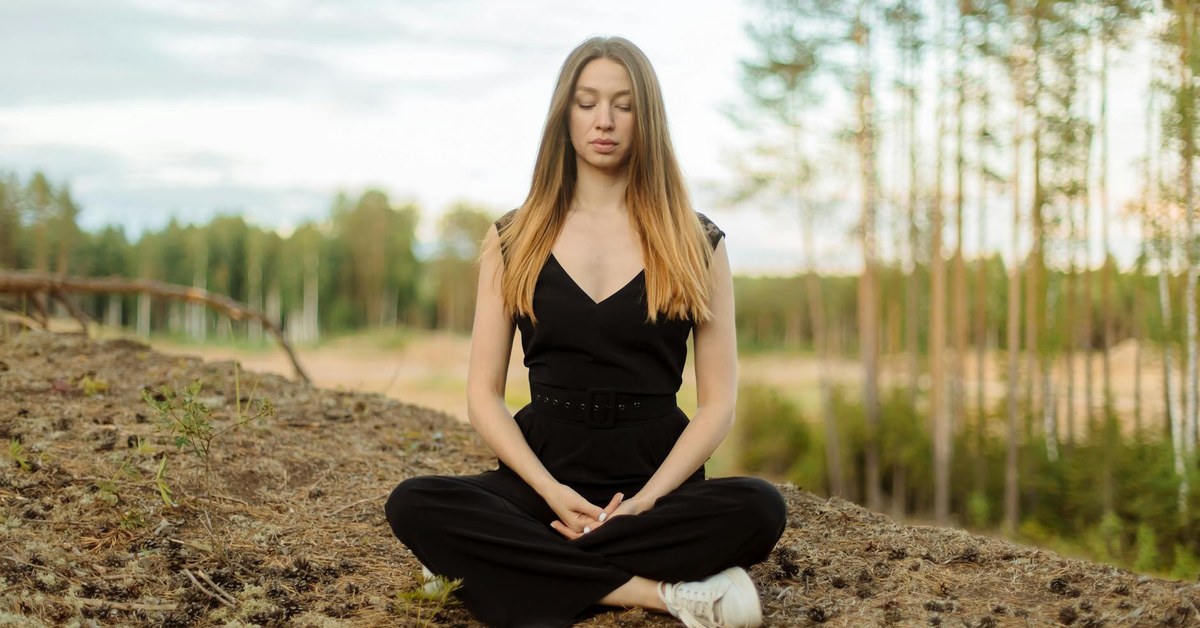

Quiet Confidence: Practical Self-Esteem Building Activities for Introverts to Thrive in a Loud World
“Discover practical, quiet self-esteem building activities tailored for introverts. Learn how to cultivate inner strength and thrive in any environment. Start your journey to quiet confidence today.”
In a world that often celebrates extroverted qualities like assertiveness and constant social engagement, introverts can sometimes feel overlooked or misunderstood. However, introversion is a powerful trait, not a flaw. Cultivating inner strength and recognising one’s unique value is crucial for everyone, and this article explores effective self-esteem building activities for introverts that honour their natural preferences, helping them to thrive with quiet confidence in any environment.
Understanding Introversion: A Strength, Not a Weakness
Introversion describes a personality type characterised by a preference for less stimulating environments and a tendency to recharge energy through solitude. It is not shyness, anti-social behaviour, or a lack of confidence. Instead, introverts often possess deep observational skills, thoughtful communication, and a rich inner world.
“Introverts process information deeply and often prefer quality over quantity in interactions,” explains a child psychologist specialising in developmental behaviours. “Recognising this innate preference is the first step towards building genuine self-esteem, as it reframes what might be perceived as a weakness into a distinct advantage.”
The challenge often arises when societal norms promote constant external engagement, which can be draining for introverts. Understanding this energy dynamic is key to developing strategies that foster self-worth without forcing unnatural behaviours.
Why Traditional Confidence Advice Can Miss the Mark for Introverts
Many common pieces of advice for building confidence, such as “network aggressively,” “speak up in every meeting,” or “put yourself out there,” are often tailored for extroverted personality types. While these can be valuable for some, they can feel overwhelming and inauthentic for introverts, potentially leading to increased anxiety rather than genuine self-esteem.
Forcing an introvert into constant high-stimulation social situations without adequate recovery time can deplete their energy and reinforce feelings of inadequacy. Effective self-esteem building activities for introverts instead focus on leveraging their natural strengths and creating environments where they can flourish authentically.
Quiet Confidence: Foundational Self-Esteem Building Activities for Introverts
Building self-esteem as an introvert involves recognising and valuing your unique way of interacting with the world. Here are some practical activities:
1. Harness the Power of Self-Reflection and Journaling
Introverts often process thoughts internally, making journaling an incredibly potent tool. It provides a private space to explore feelings, analyse experiences, and recognise achievements without external pressure.
- Daily Gratitude: List three things you are grateful for each day, focusing on your own contributions or positive internal states.
- Achievement Log: Keep a record of your successes, big or small. This reinforces your capabilities and reminds you of your strengths.
- Thought Processing: Use journaling to untangle complex emotions or decisions, leading to clearer self-understanding and problem-solving.
- Future Planning: Map out personal goals and the quiet steps you will take to achieve them.
Using a simple notebook or a digital journaling app can make this a consistent and rewarding practice.
2. Identify and Lean into Your Unique Strengths
Introverts possess a distinct set of strengths that are invaluable in many contexts. Recognising and actively utilising these strengths builds deep self-worth.
Consider these common introvert strengths: * Deep Thinking and Analysis: The ability to consider multiple perspectives and delve deeply into subjects. * Observation and Listening: Being attuned to details and excellent at understanding others. * Empathy and Compassion: A strong capacity to understand and share the feelings of another. * Careful Planning: Preferring to think before acting, leading to well-considered decisions. * Focus and Concentration: Excelling at tasks that require sustained attention and independent work.
Actively seek opportunities to use these strengths, whether in your hobbies, studies, or professional life. For instance, if you are a deep thinker, volunteer to research a topic for a community project rather than presenting it.
3. Cultivate Inner Calm Through Mindfulness and Meditation
Mindfulness practices are particularly beneficial for introverts, providing a refuge from external overstimulation and enhancing self-awareness.
- Guided Meditations: Use apps or online resources to follow guided meditations that focus on breath, body scan, or self-compassion. Even 5-10 minutes daily can make a difference.
- Mindful Walking: Pay attention to your senses during a quiet walk – the sounds, sights, and feelings. This helps ground you in the present moment.
- Deep Breathing Exercises: Practise slow, deep breaths to regulate your nervous system and bring a sense of calm whenever you feel overwhelmed.
These practices build resilience and teach you to observe your thoughts and feelings without judgment, fostering a sense of inner stability.
4. Establish and Maintain Clear Boundaries
Protecting your energy is paramount as an introvert. Setting clear boundaries communicates your needs and helps you maintain balance.
- Learn to Say “No”: Decline invitations or requests that you know will drain your energy or don’t align with your priorities. You do not need to over-explain.
- Schedule Alone Time: Actively block out periods in your calendar for quiet reflection, hobbies, or simply recharging. Treat this time as non-negotiable.
- Communicate Your Needs: Gently inform friends, family, or colleagues about your need for quiet time or your preference for smaller gatherings. For example, “I’d love to catch up, but I prefer one-on-one rather than a big group.”
According to a 2022 mental health survey by the WHO, individuals who practise effective boundary setting report significantly lower stress levels and higher overall life satisfaction. [INTERNAL: Strategies for healthy communication in families]
5. Pursue Solitary Passions and Hobbies
Engaging in activities that you genuinely enjoy and can do independently builds a profound sense of competence and satisfaction.
- Creative Arts: Painting, writing, playing a musical instrument, coding, or crafting.
- Reading and Learning: Delving into subjects that fascinate you, expanding your knowledge.
- Nature Activities: Gardening, hiking, birdwatching, or photography in quiet outdoor spaces.
- Problem-Solving: Puzzles, strategy games, or personal projects that challenge your intellect.
These activities allow you to enter a “flow state,” where you are completely absorbed, leading to a sense of accomplishment and improved self-esteem.
Key Takeaway: Authentic self-esteem for introverts blossoms when they embrace their natural preferences, leverage their unique strengths, and actively manage their energy through self-reflection and boundary setting, rather than conforming to extroverted ideals.
Building Connection on Your Own Terms
While introverts recharge in solitude, meaningful connections are still vital for well-being. The key is to build them in ways that feel comfortable and energising.
1. Prioritise One-on-One Interactions
Introverts often prefer deep, meaningful conversations over superficial small talk. Seek out opportunities for individual connections.
- Coffee Dates: Suggest meeting a friend for coffee or a quiet meal instead of a large party.
- Deep Conversations: Focus on topics that genuinely interest you and allow for thoughtful exchange.
- Mentorship: Seek out or become a mentor, fostering a relationship built on shared learning and individual attention.
2. Find Your Tribe in Smaller Groups
While large gatherings can be draining, smaller, interest-based groups can be incredibly rewarding.
- Book Clubs: Engage in discussions around a shared literary interest.
- Special Interest Groups: Join a group focused on a hobby like hiking, board games, or a craft.
- Online Communities: Connect with like-minded individuals through online forums or groups where communication can be more considered and less spontaneous. [INTERNAL: Online safety for young people]
3. Volunteer in Low-Pressure Environments
Volunteering offers a sense of purpose and contribution without necessarily requiring you to be in the spotlight.
- Animal Shelters: Spend time with animals, often a quiet and rewarding experience.
- Library Assistance: Help organise books or assist with research.
- Behind-the-Scenes Roles: Offer your organisational or analytical skills for a charity event.
Navigating External Demands with Quiet Strength
Sometimes, external situations require you to step out of your comfort zone. Introverts can navigate these successfully with preparation and strategic energy management.
1. Preparation and Rehearsal
For important meetings, presentations, or social events, thorough preparation can significantly boost confidence.
- Anticipate Questions: Think about what might be asked and prepare your responses.
- Practise: Rehearse what you want to say, perhaps in front of a mirror or with a trusted friend.
- Outline Key Points: Have a clear structure for your contributions.
2. Strategic Participation
You don’t need to be the loudest voice in the room to make an impact.
- Choose Your Moments: Speak when you have something meaningful to add, rather than feeling pressured to fill silence.
- Use Written Communication: If possible, contribute via email or written reports, where your thoughtful analysis can shine.
- Follow Up: If you didn’t get a chance to speak in a meeting, follow up with relevant individuals afterwards.
3. Plan for Recharge Time
Crucially, schedule downtime before and after potentially draining social or professional engagements.
- Pre-Event Quiet: Spend an hour in solitude before a social event.
- Post-Event Recovery: Allow yourself quiet time immediately after an event to decompress and recharge.
Age-Specific Guidance
These self-esteem building activities for introverts can be adapted for various age groups:
- Children (5-12 years): Encourage quiet play, reading time, solitary creative projects, and small group friendships. Help them articulate their need for alone time.
- Teenagers (13-18 years): Promote journaling, pursuing individual hobbies, joining interest-based clubs (e.g., chess, robotics), and understanding that it is okay to decline social invitations to recharge.
- Adults: Focus on strategic networking, setting firm boundaries at work and home, pursuing deep work, and cultivating a few high-quality relationships.
What to Do Next
- Identify Your Top 3 Strengths: Reflect on your natural abilities as an introvert and consider how you can use them more often.
- Schedule Weekly Recharge Time: Block out specific times in your calendar for solitary activities that genuinely re-energise you.
- Start a Gratitude Journal: Begin a simple daily practice of noting down three things you are grateful for, focusing on your personal contributions or positive internal experiences.
- Practise Saying “No” Once This Week: Choose one invitation or request that you know will drain your energy and politely decline, without over-explaining.
Sources and Further Reading
- World Health Organisation (WHO): www.who.int/health-topics/mental-health
- The Myers & Briggs Foundation: www.myersbriggs.org/my-mbti-personality-type/mbti-basics/
- NSPCC (National Society for the Prevention of Cruelty to Children): www.nspcc.org.uk
- Mind (The Mental Health Charity): www.mind.org.uk