Reclaiming Body Confidence After Chronic Illness or Physical Injury: A Mental Wellness Guide
Navigate body image changes after chronic illness or injury. Learn mental wellness strategies to rebuild confidence, self-acceptance, and emotional resilience.
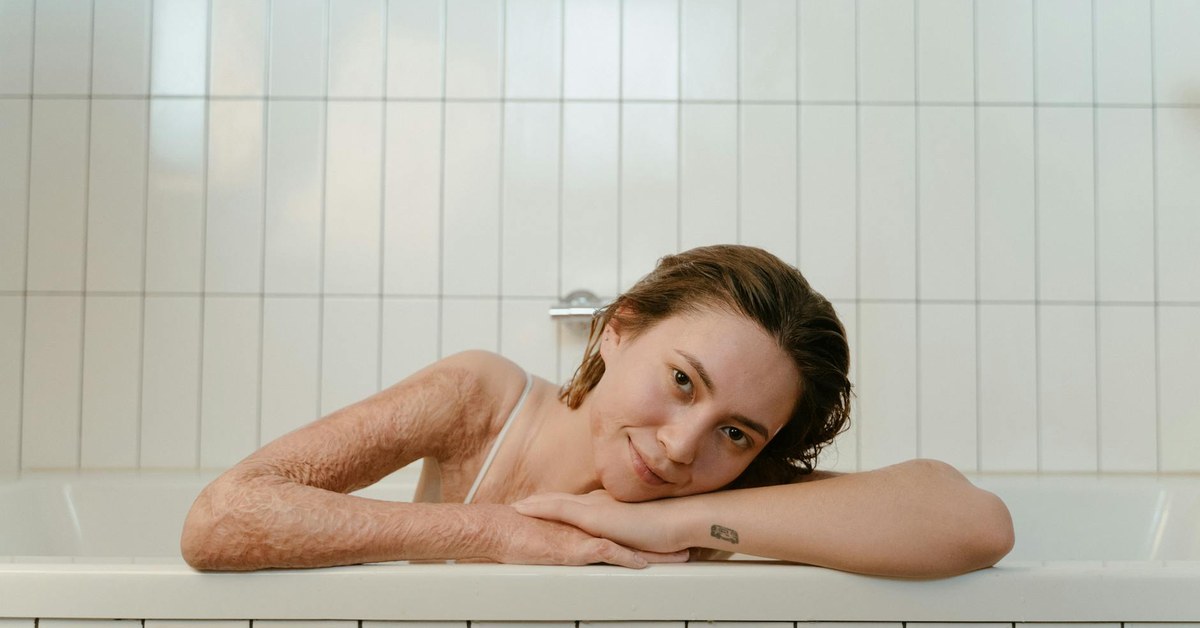

Reclaiming Body Confidence After Chronic Illness or Physical Injury: A Mental Wellness Guide
“Navigate body image changes after chronic illness or injury. Learn mental wellness strategies to rebuild confidence, self-acceptance, and emotional resilience.”
Experiencing chronic illness or a physical injury can profoundly alter one’s life, often leading to significant changes in how we perceive our bodies. For many, these physical transformations trigger a complex emotional journey, making reclaiming body confidence after illness or injury a crucial aspect of recovery and overall wellbeing. This guide explores the psychological impact of such changes and offers practical, evidence-informed strategies to foster self-acceptance, resilience, and a positive body image, regardless of physical challenges.
Understanding the Emotional Landscape of Body Changes
The human body is intrinsically linked to our identity and sense of self. When illness or injury introduces visible or functional changes, it can disrupt this connection, leading to a range of challenging emotions.
The Psychological Impact: Grief, Anger, and Shame
It is common to experience a grieving process for the body that once was. This grief can manifest as sadness, frustration, or even anger at the loss of certain abilities or appearance. A 2022 survey by the Mental Health Foundation found that 1 in 5 adults in the UK felt shame about their body, a feeling often exacerbated by physical changes that feel beyond one’s control. Feelings of shame can arise from perceived imperfections or from internalised societal ideals about physical health and beauty.
“A shift in body image can trigger a profound sense of loss, much like grieving any other significant life change,” explains a clinical psychologist specialising in trauma recovery. “It is vital to acknowledge these feelings rather than suppress them, as this forms the foundation for healing and adaptation.”
Societal Pressures and Internalised Beliefs
Society often places a high value on physical perfection and youthful appearance. When an illness or injury deviates from these ideals, individuals may internalise negative messages, leading to reduced self-esteem and a struggle with coping with body changes. The constant bombardment of idealised images in media can make this journey even more challenging, reinforcing feelings of inadequacy. Recognising these external pressures helps in separating self-worth from appearance.
Next Steps: Allow yourself to feel and acknowledge the full spectrum of emotions. Consider journaling to process these feelings without judgment.
Practical Strategies for Rebuilding Self-Acceptance
Rebuilding body confidence is an active process that requires patience and deliberate effort. It involves shifting focus and cultivating inner strength.
Shifting Focus: Beyond Appearance
One of the most powerful strategies for self-acceptance after illness or injury is to redefine what a “good” body means. Instead of focusing solely on aesthetics, consider the body’s functionality and what it can still do.
- Practise Gratitude: Regularly acknowledge and appreciate the parts of your body that function well, no matter how small. This could be the ability to breathe deeply, to taste food, or to offer a comforting hug.
- Focus on Function: Celebrate new capabilities or adaptations. If an assistive device helps you move, recognise it as an enabler of independence, not a symbol of limitation.
- Engage Your Senses: Mindful engagement with your body through gentle movement, sensory experiences (like warm baths or soft textures), and conscious breathing can reconnect you to your physical self in a positive way.
Cultivating Self-Compassion
Treating yourself with the same kindness and understanding you would offer a friend is fundamental to mental health physical recovery.
- Positive Self-Talk: Challenge negative thoughts about your body. Replace harsh self-criticism with encouraging and realistic affirmations. For example, instead of “My leg is useless,” try “My body is working hard to heal, and I am grateful for its efforts.”
- Mindfulness and Meditation: Practises such as body scan meditation can help you observe physical sensations without judgment, fostering a more accepting relationship with your body. Many free mindfulness apps are available to guide this process.
- Journaling: Regularly writing down your thoughts and feelings can provide clarity and help you identify patterns of negative self-talk, allowing you to address them constructively.
Key Takeaway: Reclaiming body confidence is not about ignoring physical changes, but about reframing your relationship with your body, focusing on its function, and cultivating unwavering self-compassion.
Building a Supportive Network
You do not have to navigate this journey alone. Connecting with others who understand can provide immense comfort and validation.
- Peer Support Groups: Organisations like the Red Cross often facilitate support groups for individuals recovering from injuries or living with chronic conditions. Sharing experiences with others facing similar challenges can reduce feelings of isolation and normalise your experiences.
- Professional Support: A counsellor, therapist, or psychologist can offer tailored strategies for emotional resilience after injury and help process complex emotions. Cognitive Behavioural Therapy (CBT) or Acceptance and Commitment Therapy (ACT) can be particularly beneficial for addressing negative body image and chronic pain. [INTERNAL: Finding a mental health professional]
- Educate Loved Ones: Help family and friends understand your experience. Clearly communicate your needs and how they can offer support without inadvertently causing distress.
Next Steps: Identify one person or group you can reach out to for support this week.
Navigating Social Interactions and External Perceptions
Returning to social life after significant body changes can be daunting. Learning to manage external perceptions and communicate your boundaries is key.
Communicating Your Needs and Boundaries
People may react to your physical changes with curiosity, pity, or even insensitivity. Developing strategies to manage these interactions can protect your emotional wellbeing.
- Prepare Responses: Have a few polite, concise responses ready for intrusive questions. For example, “I appreciate your concern, but I’m focusing on my recovery,” or “I prefer not to discuss the details.”
- Set Boundaries: It is perfectly acceptable to limit conversations or interactions that make you uncomfortable. You have the right to protect your emotional space.
- Educate Gently: For close friends and family, a calm conversation explaining how certain comments affect you can be helpful. “When you say X, it makes me feel Y. I would appreciate it if you could Z instead.”
Engaging in Activities You Enjoy
Re-engaging with hobbies and social activities, even in modified ways, can significantly boost your confidence and sense of normalcy.
- Adapt Hobbies: Explore adaptive sports, accessible art classes, or modified social gatherings. Many communities offer programmes designed for individuals with varying physical abilities.
- Discover New Interests: Illness or injury can be an opportunity to explore new passions that align with your current physical capabilities. This might involve learning a new skill, engaging in creative pursuits, or volunteering.
- Gradual Re-engagement: Start with small steps. A short walk in a park, a coffee with a friend, or an online class can be excellent ways to gradually re-enter social and recreational life without feeling overwhelmed.
Next Steps: Plan one enjoyable activity for yourself this week, focusing on adaptation rather than limitation.
Fostering Emotional Resilience for Long-Term Wellbeing
Developing emotional resilience is crucial for sustained wellbeing, especially when dealing with the ongoing challenges of chronic illness or recovery from injury.
Setting Realistic Goals
The journey of reclaiming body confidence after illness or injury is rarely linear. There will be good days and challenging days.
- Focus on Progress, Not Perfection: Celebrate small victories, whether it is managing pain more effectively, trying a new adaptive exercise, or simply having a day where you felt more at peace with your body.
- Break Down Large Goals: If your goal is to walk a certain distance, break it down into smaller, achievable steps. Each small success builds confidence and momentum.
- Be Flexible: Understand that recovery is dynamic. Some days you may need to adjust your plans. Practising flexibility reduces frustration and promotes a more positive mindset.
Integrating New Routines and Self-Care
Holistic self-care supports both physical and mental recovery. According to the World Health Organisation (WHO), a holistic approach to health, encompassing physical, mental, and social wellbeing, is essential for optimal outcomes.
- Prioritise Sleep: Establish a consistent sleep schedule. A well-rested body and mind are better equipped to cope with challenges.
- Nutritious Eating: Fuel your body with balanced meals that support healing and energy levels. Consult with a dietitian if you have specific dietary needs related to your condition.
- Gentle Movement: Incorporate safe, physician-approved physical activity into your routine. This could be stretching, swimming, or chair exercises. Regular movement can improve mood and increase body awareness.
- Stress Management Techniques: Practise deep breathing exercises, progressive muscle relaxation, or engage in hobbies that reduce stress. [INTERNAL: Stress management techniques for parents]
- Regular Check-ins: Schedule regular appointments with your healthcare team to monitor your physical and mental health progress.
Next Steps: Choose one new self-care routine to implement consistently for the next two weeks.
What to Do Next
- Start a Self-Compassion Journal: Dedicate 10 minutes each day to write about your feelings, challenging negative thoughts, and practising gratitude for your body.
- Connect with Support: Seek out a local or online support group for individuals with similar experiences, or reach out to a trusted friend or family member for a supportive conversation.
- Explore Adaptive Activities: Research local organisations or online resources that offer adaptive sports, art classes, or other recreational activities suitable for your current physical abilities.
- Consult a Professional: If you are struggling significantly with body image or mental health, consider speaking with a GP for a referral to a counsellor or psychologist who specialises in chronic illness or injury recovery.
- Set One Small, Achievable Goal: Focus on an aspect of your wellbeing that you can improve, such as getting 15 minutes of gentle movement daily or practising a mindfulness exercise.
Sources and Further Reading
- Mental Health Foundation. (2022). Body Image Report. https://www.mentalhealth.org.uk/explore-mental-health/a-z-topics/body-image
- World Health Organisation (WHO). Health and Well-being. https://www.who.int/health-topics/health-and-well-being
- Mind UK. Body image and mental health. https://www.mind.org.uk/information-support/types-of-mental-health-problems/body-image-and-mental-health/about-body-image/
- The British Red Cross. Support for people in a crisis. https://www.redcross.org.uk/get-help/get-support-in-a-crisis