Recognising Signs of Child Abuse
Knowing the signs of child abuse can save a child's life. This guide helps parents and carers recognise the warning signs of physical, emotional, sexual, and neglect-based abuse, and know what to do.
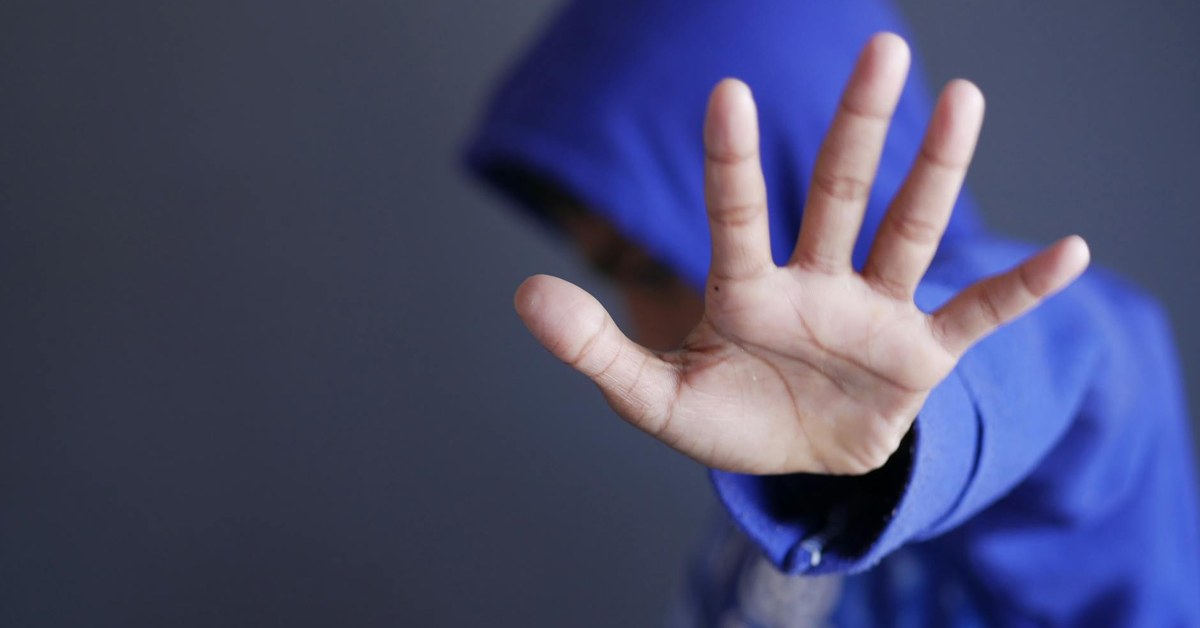

Recognising Signs of Child Abuse
“Knowing the signs of child abuse can save a child's life. This guide helps parents and carers recognise the warning signs of physical, emotional, sexual, and neglect-based abuse, and know what to do.”
Why Every Adult Needs to Know the Signs
Child abuse occurs across every country, culture, income level, and family structure. The World Health Organisation estimates that up to one billion children globally experience violence each year, and research consistently shows that the majority of abuse is perpetrated by someone known to the child, often within the family or trusted social circle.
Most children who are being abused do not disclose it. They may not have the words to describe what is happening, may not realise that what is happening to them is not normal, may be afraid of consequences, or may love the person who is hurting them. This means that the responsibility for identifying abuse falls primarily on adults who are paying attention.
You do not need to be certain that abuse is happening to take action. If you have a genuine concern, reporting it to the appropriate authorities allows trained professionals to assess the situation. Acting on a concern that turns out to be unfounded is far better than failing to act when a child needs help.
Types of Child Abuse
Child abuse takes several forms, which can occur separately or in combination.
Physical Abuse
Physical abuse involves deliberately causing physical harm to a child. This includes hitting, shaking, burning, biting, poisoning, drowning, suffocating, or otherwise injuring a child. It also includes fabricating or inducing illness in a child (sometimes called Munchausen Syndrome by Proxy or Factitious Illness Imposed on Another).
Emotional Abuse
Emotional abuse, sometimes called psychological abuse, involves persistently treating a child in a way that damages their emotional development and sense of self-worth. It includes constant criticism, humiliation, threatening, rejecting, isolating, or ignoring a child. Witnessing domestic violence is also recognised as a form of emotional abuse. Emotional abuse often accompanies other forms of abuse but can occur independently.
Sexual Abuse
Sexual abuse involves forcing or coercing a child into sexual activity. It includes both contact abuse, such as rape, sexual assault, or making a child perform sexual acts, and non-contact abuse, such as exposing a child to sexual material, involving a child in the production of sexual images, or watching a child in a sexual manner. Children cannot legally consent to sexual activity with adults, and grooming, the process of gaining a child's trust with the intent to abuse, is itself a form of abuse.
Neglect
Neglect is the persistent failure to meet a child's basic physical or psychological needs in a way that likely damages their health or development. It includes failing to provide adequate food, clothing, shelter, or medical care; leaving a child unsupervised; and failing to respond to a child's emotional needs. Neglect is the most common form of child abuse and is often overlooked because it is characterised by absence rather than action.
Exploitation
Child exploitation includes forcing or coercing children into sexual exploitation, criminal activity, labour, or trafficking. County lines drug trafficking, which exploits children to move and sell drugs, is a form of criminal exploitation that has become increasingly prevalent in many countries. Sexual exploitation involves a child being manipulated or coerced into sexual activity in exchange for something they need or want, such as affection, gifts, food, or accommodation.
Signs of Physical Abuse
While many injuries in children are accidental, certain patterns are more consistent with abuse than accident:
- Unexplained injuries, or explanations that do not match the injury or change over time
- Bruising in unusual locations: the face, ears, neck, upper arms, torso, and buttocks in young children who are not yet mobile; patterns of bruising consistent with implements such as belts, cords, or hands
- Burns with distinctive shapes, such as cigarette burns or scalds with a clear waterline
- Bite marks
- Fractures in babies or very young children, particularly spiral fractures inconsistent with the stated mechanism of injury
- Injuries at different stages of healing, suggesting repeated incidents
- A child who is frightened, withdrawn, or hypervigilant, particularly around a specific person
- A child who wears long sleeves or high necklines in warm weather
Signs of Emotional Abuse
Emotional abuse is often harder to identify than physical abuse because it leaves no visible marks. Signs include:
- Extremely low self-esteem, excessive self-criticism, or statements reflecting a deeply negative self-image
- Persistent fear of making mistakes or doing wrong
- Extreme behaviour, from highly aggressive to very withdrawn
- Delayed emotional development
- Age-inappropriate behaviour, such as thumb-sucking or bed-wetting in older children
- Apparent lack of parental or carer attachment
- A parent or carer who is consistently critical, dismissive, or cruel towards the child in front of others
Signs of Sexual Abuse
Children who are being sexually abused may show a range of signs, none of which is definitive alone but which together may indicate concern:
- Knowledge of sexual acts or language that is not age-appropriate
- Sexualised behaviour or drawings that are inconsistent with the child's age and development
- Physical signs including pain, itching, bruising, or bleeding in the genital or anal area
- Reluctance to remove clothing for sports or medical appointments
- Avoidance of a specific person who was previously trusted
- Nightmares, sleep disturbances, or fear of going to a particular place
- Regression to earlier behaviours such as bed-wetting or baby talk
- Self-harm or eating disorders in older children and teenagers
- Unexplained gifts, money, or new possessions
- Disclosure, either direct or indirect: children sometimes disclose abuse through hints, hypothetical questions, or partial disclosures
If a child makes any kind of disclosure, even if it seems partial or confusing, take it seriously. Listen calmly without expressing shock or disbelief. Do not press for details or ask leading questions. Reassure the child that they have done the right thing and that you will get them help. Then contact the appropriate authorities.
Signs of Neglect
Neglect can be difficult to identify because individual signs may have innocent explanations, and it is often the pattern over time that indicates a problem:
- Poor hygiene, unwashed clothing, or body odour that is persistent and unexplained
- Frequently hungry, tired, or poorly dressed for the weather
- Regular absence from school or educational setting
- Untreated medical or dental conditions
- Being consistently left unsupervised or in unsafe conditions
- Appearing listless, apathetic, or lacking in vitality
- A home environment that is consistently unsafe or unsanitary when this is within the parent's control to address
Signs of Criminal Exploitation
Children being exploited through criminal networks may show signs including:
- Unexplained absences from home or school
- Returning home late, having been in an unknown location
- Unexplained money, new clothing, or mobile phones
- New, older associates who are unknown to the family
- Becoming secretive about their activities and contacts
- Signs of physical assault or injuries
- Possession of weapons or drugs
What to Do If You Have Concerns
If a Child Discloses to You
If a child tells you, directly or indirectly, that they are being abused:
- Stay calm. Your reaction will shape whether the child feels safe to continue
- Listen carefully and let the child use their own words
- Do not promise to keep it secret. Explain gently that you may need to tell someone to keep them safe
- Do not ask detailed or leading questions
- Reassure the child that they are not in trouble and that it is not their fault
- Make a written note of exactly what the child said, using their own words, as soon as possible
- Contact the appropriate child protection authority immediately
If You Observe Warning Signs
If you notice a pattern of signs that concern you without a direct disclosure:
- Trust your instincts. If something feels wrong, it is worth reporting
- Contact your local child protection services, the police, or in many countries, a dedicated child safeguarding helpline
- You can often make a referral without identifying yourself if you are concerned about the implications of reporting
- Do not confront the suspected abuser, as this can increase risk to the child and compromise any investigation
Who to Contact
Every country has its own child protection system, but key organisations and mechanisms include:
- Emergency situations: Contact the local emergency services immediately if a child is in immediate danger
- United Kingdom: Contact local authority children's services, the NSPCC helpline (0808 800 5000), or the police
- United States: Contact the Childhelp National Child Abuse Hotline (1-800-422-4453) or your state's child protective services
- Australia: Contact your state or territory child protection service, or the Child Protection Helpline
- Canada: Contact your provincial child protection services
- International: ECPAT International maintains a directory of organisations in over 100 countries addressing child exploitation
How to Talk to Your Child About Abuse
Prevention is important alongside identification. Children who have age-appropriate conversations about body autonomy, safe and unsafe secrets, and the right to say no are better equipped to recognise and report abuse.
Key concepts to teach from an early age:
- Their body belongs to them and no one has the right to touch them in a way they do not like
- There are no unsafe body secrets. If an adult asks them to keep a secret about touching or body parts, they should always tell a trusted adult
- They will not be in trouble for telling, even if they think they have done something wrong
- They can say no to adults, including people they know and love, when something feels wrong
Use correct anatomical language for body parts from an early age. Children who know the correct terms are better able to communicate clearly if something happens to them, and the use of proper terminology in itself can be a protective factor.
Supporting a Child Who Has Been Abused
If abuse is confirmed or strongly suspected, the most important thing you can do is ensure the child feels believed, supported, and loved. Many children who have been abused carry significant shame and self-blame that is entirely unwarranted. They need to hear clearly and repeatedly that what happened was not their fault.
Professional therapeutic support is strongly recommended for children who have experienced abuse. Trauma-informed therapy can help children process their experiences in a safe environment and build the internal resources they need to recover. With the right support, many children who have experienced abuse go on to lead healthy and fulfilling lives.