Beyond External Validation: How to Reconcile Internal Body Image Struggles Even When Others See You Differently
Explore why you struggle with body image despite external compliments. Learn strategies to bridge the gap between self-perception and how others see you.
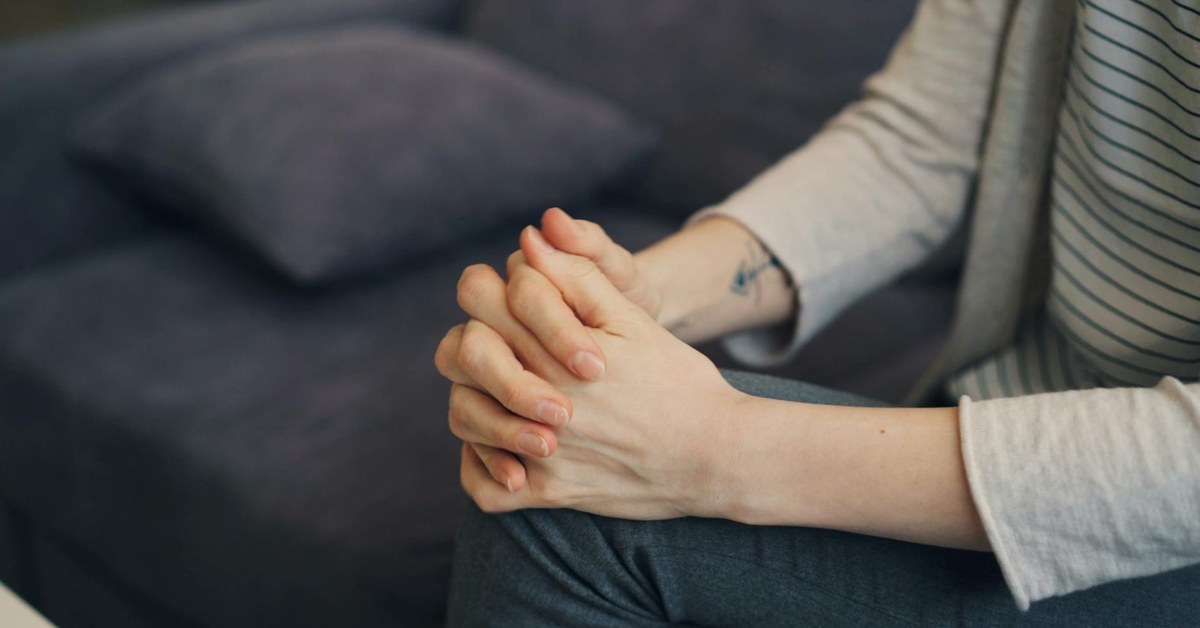

Beyond External Validation: How to Reconcile Internal Body Image Struggles Even When Others See You Differently
“Explore why you struggle with body image despite external compliments. Learn strategies to bridge the gap between self-perception and how others see you.”
Have you ever received a compliment about your appearance, yet a nagging voice inside still tells you a different story? This common experience highlights a significant challenge: how to reconcile internal body image struggles even when others see you differently. Many individuals find themselves caught in a perplexing disconnect, where external praise fails to penetrate deeply held insecurities about their physical self. Understanding this gap between self-perception and external views is the first step towards building a healthier, more authentic relationship with your body.
The Disconnect: Why External Compliments Don’t Always Land
The human mind is complex, and our self-perception is shaped by a myriad of factors far beyond what others might observe. When it comes to body image, this internal narrative often holds more sway than any outward affirmation.
Roots of Internal Body Image Struggles:
- Internalised Ideals: From a young age, media, culture, and even casual comments from peers or family can imprint specific beauty standards. These often unattainable ideals become the lens through which we scrutinise ourselves, leading to a constant sense of falling short. A 2023 report by UNICEF highlighted that adolescents, particularly girls, are significantly impacted by social media’s portrayal of ‘ideal’ bodies, leading to increased body dissatisfaction.
- Cognitive Biases: The brain tends to focus on perceived flaws rather than strengths, a phenomenon known as negative bias. This means even when receiving compliments, our internal critic might dismiss them, seeking out reasons why they are untrue or insufficient. “Our internal narrative often defaults to self-criticism, making it challenging to accept positive external feedback,” explains a leading cognitive psychologist.
- Past Experiences: Critical comments received during childhood or adolescence, experiences of bullying, or even subtle non-verbal cues can embed deep-seated insecurities. These memories can resurface, overriding present-day positive affirmations.
- Emotional State: Feelings of anxiety, depression, or low self-esteem can profoundly influence how we perceive our bodies. When feeling vulnerable, individuals may project these internal struggles onto their physical appearance, perceiving flaws that others do not see.
- Body Dysmorphic Disorder (BDD): In some cases, the disconnect can be a symptom of Body Dysmorphic Disorder, a mental health condition where a person obsesses over perceived flaws in their appearance, often to a degree that others would not notice or consider significant. If you suspect BDD, seeking professional help is crucial.
The Pitfalls of Relying on External Validation
While compliments can feel good momentarily, building your self-worth solely on external validation is a precarious foundation. This approach often leads to a ‘validation trap’, where your mood and self-perception become dependent on others’ opinions.
Why External Validation is Not a Sustainable Solution:
- It’s Fleeting: Compliments are temporary. When they cease, or if negative comments arise, your self-esteem can plummet. True self-acceptance needs to be an internal, resilient force.
- It Shifts Focus Outward: Constantly seeking approval distracts from developing an internal sense of worth. Your focus remains on how you appear to others, rather than on your own feelings and values.
- It Reinforces Insecurity: Paradoxically, the more you rely on others to make you feel good about your body, the more you inadvertently reinforce the belief that you cannot value yourself independently. “Seeking external validation can become a self-perpetuating cycle, deepening internal insecurities rather than resolving them,” notes a mental health expert specialising in body image.
- It Can Lead to Unhealthy Behaviours: The pursuit of external approval might drive individuals to adopt extreme diets, excessive exercise, or even cosmetic procedures, all aimed at fitting an external ideal rather than fostering internal health and wellbeing.
Key Takeaway: External validation offers a temporary boost but fails to address the root causes of internal body image struggles. Sustainable self-acceptance must originate from within.
Strategies to Reconcile Internal Body Image and Build Self-Acceptance
Bridging the gap between how you see yourself and how others see you requires a deliberate shift towards internal validation and self-compassion. This journey is personal and may take time, but the rewards are profound.
1. Challenge Negative Self-Talk
Our inner critic can be relentless. Recognising and actively challenging negative thoughts is a powerful step.
- Identify Thought Patterns: Become aware of the specific negative thoughts you have about your body. Are they recurrent? What triggers them?
- Question the Evidence: Ask yourself: “Is this thought truly factual, or is it an opinion driven by insecurity?” “Would I say this to a friend?”
- Reframe and Replace: Consciously reframe negative thoughts into more neutral or positive ones. For example, instead of “My thighs are too big,” try “My thighs are strong and carry me through life.”
2. Cultivate Self-Compassion
Treat yourself with the same kindness and understanding you would offer a loved one.
- Mindfulness: Practise mindfulness to observe your feelings without judgment. Notice when you are being self-critical and offer yourself comfort.
- Self-Care Rituals: Engage in activities that nourish your body and mind, not as a means to change your appearance, but to honour your wellbeing. This could include gentle movement, balanced nutrition, adequate sleep, or creative pursuits.
- Journaling: Writing down your thoughts and feelings can help you process emotions and identify patterns of self-criticism. [INTERNAL: journaling for emotional wellbeing]
3. Develop Media Literacy
The images we consume profoundly impact our perception of beauty.
- Critically Evaluate Content: Understand that many images online and in media are heavily edited, filtered, or professionally posed. They do not represent everyday reality.
- Curate Your Feed: Actively unfollow accounts that trigger negative body image thoughts and seek out diverse, body-positive content creators.
- Limit Exposure: Consider setting boundaries on your screen time, especially on platforms known for their visual emphasis. For teenagers, understanding the impact of social media is vital; resources on [INTERNAL: navigating social media with teenagers] can be helpful.
4. Focus on Function Over Appearance
Shift your appreciation for your body from how it looks to what it can do.
- List Your Body’s Capabilities: Think about all the amazing things your body enables you to do: walk, hug, laugh, create, feel, experience.
- Engage in Joyful Movement: Find physical activities you genuinely enjoy, focusing on the feeling of movement and strength rather than calorie burning or aesthetic change.
- Nourish Your Body: Choose foods that make you feel energised and healthy, rather than adhering to restrictive diets driven by appearance goals.
5. Set Healthy Boundaries
Protect your mental and emotional space from negative influences.
- Address Critical Comments: Politely but firmly challenge or distance yourself from individuals who make negative comments about your body or others’.
- Limit Toxic Environments: If certain social situations or groups consistently trigger your insecurities, consider reducing your engagement with them.
6. Seek Professional Support
If body image struggles significantly impact your daily life, mood, or relationships, professional help can provide invaluable tools and strategies.
- Therapy: Cognitive Behavioural Therapy (CBT) and other therapeutic approaches can help you challenge distorted thoughts and develop healthier coping mechanisms.
- Counselling: A counsellor can offer a safe space to explore the underlying causes of your body image issues.
- Organisations like the Mental Health Foundation and Beat (the UK’s eating disorder charity) offer resources and support for individuals struggling with body image and related concerns.
Building a Resilient Internal Framework
Reconciling internal body image issues is not about eradicating all moments of self-doubt, but about building an inner framework of resilience and self-worth that is independent of external validation. It is a continuous practice of kindness, awareness, and intentional self-acceptance. By nurturing this internal foundation, you empower yourself to embrace your body as a valuable part of who you are, regardless of shifting external perceptions or societal pressures.
What to Do Next
- Start a Self-Compassion Journal: Dedicate 5-10 minutes each day to write down one thing your body allowed you to do and one kind thought you can offer yourself.
- Review Your Social Media: Audit your social media feeds. Unfollow or mute accounts that make you feel inadequate and seek out diverse, body-neutral content.
- Practise Mindful Movement: Choose one physical activity you genuinely enjoy (e.g., walking in nature, dancing, gentle stretching) and engage in it, focusing purely on how your body feels, not how it looks.
- Identify Your Triggers: Pay attention to situations, comments, or media that typically worsen your body image struggles. Understanding these triggers is the first step to managing them.
Sources and Further Reading
- Mental Health Foundation: https://www.mentalhealth.org.uk/
- UNICEF: https://www.unicef.org/
- Beat (Eating Disorders Charity): https://www.beateatingdisorders.org.uk/
- National Centre for Eating Disorders: https://www.nced.com/