Creating an Effective Fire Escape Plan for Renters: Navigating Landlord Rules and Ensuring Apartment Safety
Renting a home? Learn how to create a robust fire escape plan while understanding your landlord's responsibilities and navigating rental property rules for ultimate safety.
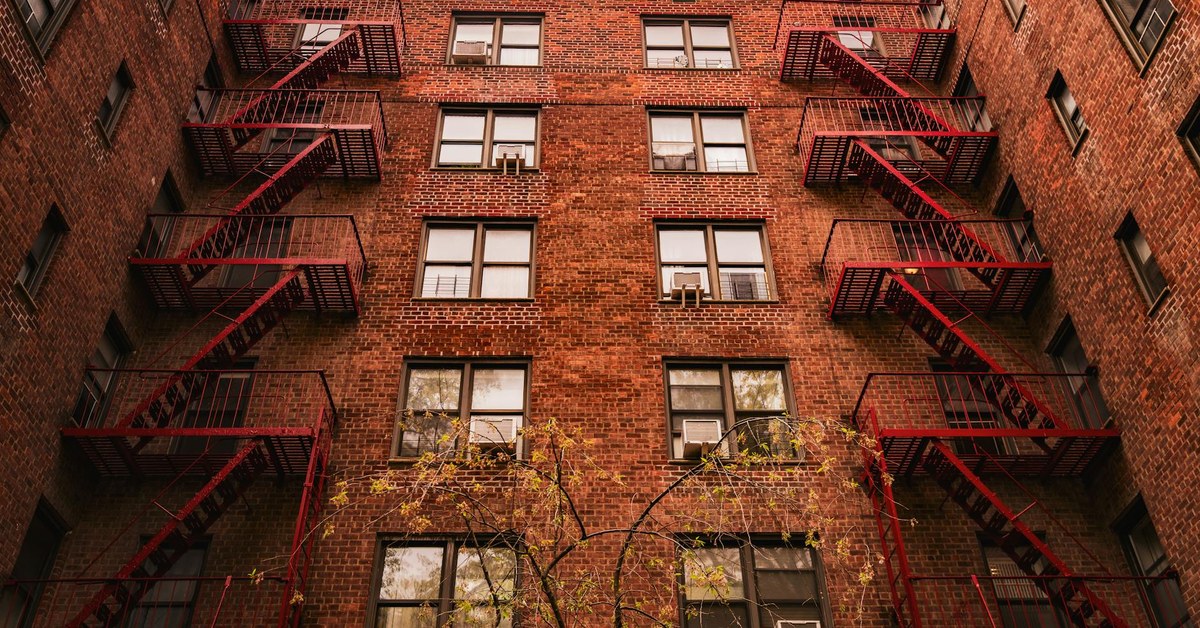

Creating an Effective Fire Escape Plan for Renters: Navigating Landlord Rules and Ensuring Apartment Safety
“Renting a home? Learn how to create a robust fire escape plan while understanding your landlord's responsibilities and navigating rental property rules for ultimate safety.”
Living in a rented property brings a unique set of considerations when it comes to safety, especially regarding fire prevention and emergency preparedness. While landlords have specific obligations, every tenant must take proactive steps to ensure their household’s well-being. Developing a robust fire escape plan for renters is not just advisable; it is a critical component of apartment fire safety, empowering you and your loved ones to react swiftly and effectively should a fire emergency occur. This guide will walk you through creating a personalised plan, understanding your landlord’s responsibilities, and implementing vital renter fire prevention strategies.
Understanding Landlord Fire Safety Responsibilities
As a renter, you do not own the property, yet you have a right to a safe living environment. Landlords worldwide are typically bound by regulations to provide certain fire safety measures. While specific laws vary significantly by region, common landlord fire responsibilities often include:
- Smoke Alarms: Installing and maintaining working smoke alarms on every level of the property, including in hallways and near sleeping areas. Landlords are generally responsible for ensuring these are in good working order at the start of a tenancy and often for annual checks. Tenants usually bear the responsibility for testing them regularly and replacing batteries during the tenancy.
- Carbon Monoxide Detectors: Providing carbon monoxide detectors where there is a fuel-burning appliance (such as a boiler, gas fire, or wood burner).
- Fire Exits and Routes: Ensuring that all escape routes are clear, unobstructed, and readily accessible. This is particularly crucial in multi-occupancy buildings (HMOs) where additional fire doors, emergency lighting, and fire extinguishers might be mandatory.
- Fire Risk Assessments: For certain types of properties, especially multi-unit dwellings or HMOs, landlords may be legally required to conduct regular fire risk assessments to identify and mitigate potential hazards.
“A competent landlord understands their legal and moral duty to provide a safe living space,” states a senior Fire Safety Officer. “Tenants should familiarise themselves with these provisions and report any deficiencies immediately.”
If you discover a faulty smoke alarm, a blocked fire exit, or any other fire safety concern, report it to your landlord or property manager in writing immediately. Keep a record of all communication. According to the Fire Brigades Union, faulty electrical appliances and installations are a significant cause of domestic fires, highlighting the importance of landlords ensuring electrical safety checks are up to date.
Key Takeaway: Understand your landlord’s legal fire safety obligations and promptly report any non-compliance or maintenance issues. Your proactive communication is vital for your safety.
Developing Your Personalised Fire Escape Plan for Renters
Creating a fire escape plan for renters involves several practical steps, tailored to your specific apartment layout and household members.
1. Identify All Possible Escape Routes
Walk through every room in your rental property with your family. For each room, identify: * Primary Exit: The quickest and most direct path to the nearest exit door. * Secondary Exit: An alternative route, such as a window (if it is safe to use and leads to an accessible ground level or a designated fire escape). For upper floors, consider if a certified escape ladder is a viable option, ensuring you have landlord permission to store or use it.
2. Designate a Safe Outside Meeting Point
Choose a specific location outside the property, a safe distance away, where everyone will meet. This could be a neighbour’s driveway, a lamppost, or a specific tree. Ensure it is clearly visible and easily recognisable, especially for children. This prevents anyone from re-entering a burning building to search for someone who is already safe.
3. Practise Your Plan Regularly
A plan is only effective if practised. Conduct fire drills at least twice a year, both during the day and at night. * Timed Drills: See how quickly everyone can get out. Aim for under two minutes. * Blindfolded Drills (supervised): Practise navigating in the dark or smoke-filled conditions. * Varying Scenarios: Pretend one exit is blocked to encourage using the secondary route.
4. Assign Roles and Responsibilities
For families with children, elderly relatives, or individuals with disabilities, assign clear roles: * Who helps younger children? * Who assists pets to safety? * Who has the responsibility to check on vulnerable family members? * Ensure everyone knows how to call emergency services (e.g., 999 in the UK, 112 in Europe, 911 in North America) once safely outside.
5. Age-Specific Guidance for Children
Tailor your plan to your children’s understanding and abilities: * Ages 3-6: Teach them to recognise the smoke alarm sound and to go to the meeting point. Introduce “Stop, Drop, and Roll” for clothing fires. * Ages 7-12: Teach them how to open windows, check doors for heat, and crawl low under smoke. Emphasise never hiding from firefighters. * Teens: Involve them in planning and assign them responsibilities, such as assisting younger siblings or ensuring pets are safe.
6. Crawl Low Under Smoke
Smoke rises, and toxic fumes are often denser near the ceiling. Teach everyone to crawl on their hands and knees to stay below the smoke, where the air is clearer.
7. Know When to Call Emergency Services
Crucially, instruct everyone to call the fire brigade only once they are safely outside the building and from a neighbour’s phone or a mobile phone. Never re-enter a burning building for any reason.
Essential Fire Safety Equipment for Renters
While your landlord is responsible for basic provisions, you can enhance your apartment fire safety with additional equipment:
- Smoke and Carbon Monoxide Alarms: Even if provided, ensure you test them monthly by pressing the test button. Replace batteries annually, or when the low-battery chirp sounds. Consider installing additional smart smoke detectors that can alert your phone if you are away.
- Fire Extinguishers: A small, multi-purpose (ABC-rated) fire extinguisher can be useful for small, contained fires, such as those in the kitchen. However, the priority is always to escape. Ensure you know how to use it correctly and that it is regularly checked.
- Fire Blankets: Ideal for smothering small pan fires in the kitchen. Keep it easily accessible near cooking areas.
- Escape Ladders: For apartments on upper floors, a certified escape ladder can provide a crucial secondary exit. Discuss installation and storage with your landlord. Ensure it is easily deployable and practised with.
Navigating Landlord Rules and Communication
Before making any modifications or adding equipment like escape ladders, always communicate with your landlord or property manager. * Written Requests: Submit requests in writing, explaining your safety concerns and proposed solutions. * Documentation: Keep copies of all correspondence. * Tenant Rights: Familiarise yourself with tenant rights in your region regarding safety modifications. Many jurisdictions encourage or even mandate landlords to cooperate with reasonable requests that enhance safety.
Renter Fire Prevention: Proactive Measures
The best fire escape plan begins with prevention. Implement these practices for enhanced rental home emergency planning:
- Kitchen Safety: Never leave cooking unattended. Keep flammable materials like paper towels and curtains away from the hob. Clean grease build-up regularly.
- Electrical Safety: Avoid overloading sockets. Unplug appliances when not in use. Immediately replace frayed cords or faulty electrical items.
- Heating Safety: Keep portable heaters at least one metre away from anything flammable. Turn them off when leaving a room or going to bed.
- Candles and Smoking: Use candles responsibly, placing them on stable, non-flammable surfaces and never leaving them unattended. Ensure all smoking materials are fully extinguished.
- Clear Escape Routes: Keep hallways, doorways, and windows clear of clutter. Do not block fire exits with furniture or storage.
- Flammable Materials: Store aerosols, paints, and other flammable liquids safely and away from heat sources.
According to a 2022 report by the National Fire Chiefs Council (NFCC), cooking appliances were the primary source of accidental dwelling fires, accounting for 48% of incidents. This statistic underscores the critical importance of kitchen vigilance. [INTERNAL: kitchen safety tips for families]
What to Do Next
- Review Your Tenancy Agreement: Understand your landlord’s specific responsibilities and your obligations regarding fire safety equipment and reporting.
- Conduct a Home Fire Safety Check: Inspect all smoke and carbon monoxide alarms, test them, and ensure all escape routes are clear. Identify potential hazards in your home.
- Draw Your Fire Escape Plan: Sketch your floor plan, marking primary and secondary exits, the outdoor meeting point, and the location of safety equipment. Display it clearly for all household members.
- Practise Your Plan: Schedule your first fire drill with all household members. Discuss roles and ensure everyone understands their part.
- Communicate with Your Landlord: Report any identified fire safety deficiencies or propose enhancements (like additional alarms or escape ladders) in writing.
Sources and Further Reading
- Fire Brigades Union (FBU) – https://www.fbu.org.uk/
- National Fire Chiefs Council (NFCC) – https://www.nfcc.org.uk/
- The Red Cross – Home Fire Safety Resources – https://www.redcross.org/
- Local Fire and Rescue Service websites (e.g., London Fire Brigade, New York City Fire Department) for region-specific advice.