Riding Smart: Empowering Young Scooter & Skateboarders to Resist Peer Pressure for Safety
Equip young scooter and skateboard riders with strategies to resist peer pressure, avoid risky behaviors, and prioritize safety on roads and in parks. Empowering smart choices.
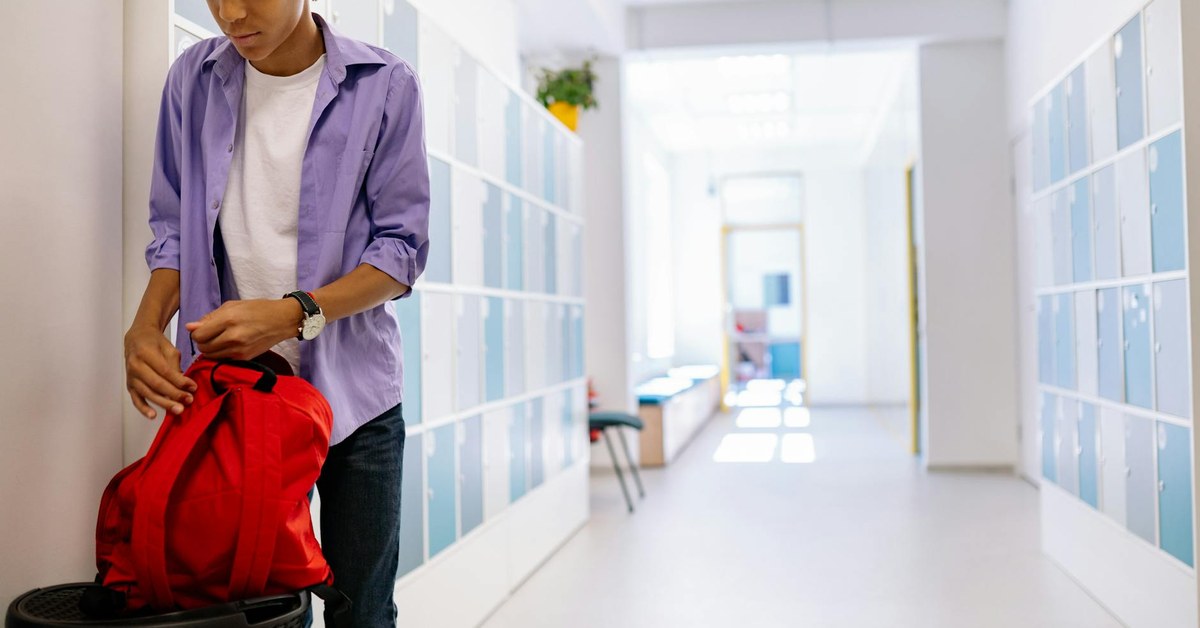

Riding Smart: Empowering Young Scooter & Skateboarders to Resist Peer Pressure for Safety
“Equip young scooter and skateboard riders with strategies to resist peer pressure, avoid risky behaviors, and prioritize safety on roads and in parks. Empowering smart choices.”
The thrill of riding a scooter or skateboard offers young people freedom, exercise, and a sense of accomplishment. Yet, this excitement can sometimes be overshadowed by risks, particularly when social pressures influence choices. Understanding and addressing scooter skateboard peer pressure safety is crucial for parents and guardians who want to equip young riders with the confidence to make safe decisions, even when friends encourage risky behaviour. This article provides practical strategies to empower young people to prioritise their wellbeing on roads and in parks.
Understanding Peer Pressure and Risk-Taking Behaviour
Adolescence is a period of significant social development, where the desire for acceptance and belonging is strong. This natural need can make young people particularly susceptible to peer pressure, leading them to engage in behaviours they might otherwise avoid. For scooter and skateboard riders, this often translates into attempting dangerous stunts, ignoring safety gear, or riding in unsafe locations to impress friends or avoid ridicule.
According to a 2022 report by the World Health Organisation (WHO), injuries are a leading cause of death and disability among adolescents globally, with road traffic injuries being a significant contributor. While specific statistics for scooter and skateboard accidents linked directly to peer pressure are complex to isolate, the general trend of increased risk-taking behaviour in group settings is well-documented. A child safety expert advises, “Young people’s developing brains are wired to seek novelty and social reward, which can sometimes override their judgment concerning personal safety.” This heightened susceptibility means that social influence can significantly impact a rider’s decision-making.
Recognising the Signs of Risky Peer Influence
Identifying when peer pressure might be at play is the first step towards intervention and empowerment. Young riders might face pressure in several ways:
- Dares and Challenges: Being dared to perform a trick beyond their skill level or to ride through a dangerous area.
- Mockery or Exclusion: Friends making fun of them for wearing a helmet or pads, or threatening to exclude them from the group if they do not participate in a risky activity.
- Normalisation of Unsafe Behaviour: Observing peers consistently ignoring traffic rules, riding without safety gear, or performing stunts in inappropriate places, which can make such actions seem acceptable.
- Pressure to Keep Up: Feeling compelled to match the speed or daring of more experienced riders in a group, even if it feels unsafe.
[INTERNAL: adolescent brain development and risk]
Building Resilience: Strategies to Navigate Social Pressures
Empowering young riders to resist peer pressure involves building their confidence, communication skills, and understanding of consequences. It is about giving them the tools to make autonomous, safe choices.
Practical Strategies for Young Riders
- Practise Saying “No” Firmly: Help children and teenagers rehearse polite but firm ways to decline risky suggestions. Simple phrases like, “No thanks, I’m not comfortable with that,” or “That’s not safe, I’m going to stick to the park,” can be effective.
- Have an “Exit Strategy”: Encourage young riders to think of ways to leave a situation if it becomes uncomfortable or unsafe. This could involve pretending to receive a call, saying they need to be home, or suggesting an alternative, safer activity.
- Find Like-Minded Friends: Encourage friendships with individuals who also prioritise safety and respect personal boundaries. A supportive peer group can be a powerful antidote to negative influences.
- Understand the Consequences: Discuss the potential outcomes of unsafe actions, not just in terms of injury, but also legal repercussions, damage to equipment, and parental disappointment. Real-life examples (without being overly fear-mongering) can be impactful.
- Communicate with Trusted Adults: Ensure young riders know they can always talk to a parent, guardian, teacher, or another trusted adult about peer pressure without fear of judgment or punishment. This open line of communication is vital.
Age-Specific Guidance for Scooter Skateboard Peer Pressure Safety
The approach to discussing peer pressure and safety needs to adapt as children grow:
- Ages 8-12: Focus on basic safety rules, the importance of helmets, and understanding simple traffic signals. Role-play scenarios where friends might encourage them to ride too fast or without gear. Emphasise that it is clever to be safe and that real friends respect safe choices.
- Ages 13-18: Engage in more in-depth conversations about the complexities of social dynamics, the long-term consequences of serious injuries, and how to maintain self-respect while navigating group pressures. Discuss how to suggest safer alternatives to friends.
[INTERNAL: effective communication for teens]
Prioritising Safety Gear and Riding Environments
Beyond resisting peer pressure, consistent use of safety gear and choosing appropriate riding environments are fundamental to preventing injuries. These are non-negotiable aspects of safe riding.
Essential Safety Equipment
- Helmets: A properly fitting helmet is the most crucial piece of safety gear. It should meet recognised safety standards (e.g., CE EN 1078 in Europe, CPSC in the US, ASTM F1492 for skateboarding/scootering). Research from organisations like the Royal Society for the Prevention of Accidents (RoSPA) consistently shows that helmets significantly reduce the risk of head injuries in cycling and similar activities.
- Other Protective Gear: Knee pads, elbow pads, and wrist guards are highly recommended, especially for younger or less experienced riders. These protect against common scrapes, fractures, and sprains.
- Footwear: Closed-toe shoes with good grip are essential to maintain control and prevent foot injuries.
- Visibility: For riding near roads or in low-light conditions, high-visibility clothing and lights (front and rear) are vital to ensure riders are seen by motorists and pedestrians.
Safe Riding Environments
Encourage young riders to use designated areas that are designed for their activity and minimise interaction with motor vehicle traffic.
- Skate Parks: These facilities are designed with ramps, rails, and obstacles specifically for skateboarding and scootering, often with smoother surfaces and fewer unexpected hazards.
- Designated Cycle Paths and Greenways: These offer traffic-free routes for riding, though riders should still be aware of pedestrians and other cyclists.
- Quiet Residential Streets (with caution): If no other options are available, choose streets with minimal traffic, always respecting local traffic laws and being highly vigilant.
- Avoid Busy Roads: Main roads, intersections, and areas with heavy vehicle traffic should be avoided by young riders, regardless of their skill level.
Key Takeaway: Prioritising certified safety gear, especially helmets, and choosing appropriate riding environments are non-negotiable foundations for safe scooter and skateboard use, significantly reducing the risk of serious injury.
Developing Safe Riding Habits Beyond Peer Influence
Even without peer pressure, developing strong individual safety habits is paramount:
- Understand Traffic Laws: Familiarise yourself with local traffic regulations for scooters and skateboards. This includes understanding right-of-way, hand signals, and pedestrian crossings. While laws vary globally, the principle of being aware and predictable remains constant.
- Be Aware of Surroundings: Always pay attention to pedestrians, other riders, vehicles, and potential hazards like potholes or uneven surfaces. Avoid distractions like mobile phones or headphones that block out ambient sounds.
- Regular Equipment Checks: Before each ride, check that brakes are working, wheels are secure, and protective gear is in good condition.
- Ride Within Skill Level: Encourage riders to gradually increase their skill level in safe environments, rather than attempting advanced tricks before they are ready.
What to Do Next
Empowering young riders to navigate peer pressure and prioritise safety is an ongoing conversation. Here are concrete steps you can take:
- Open a Dialogue: Regularly discuss safety expectations, potential peer pressure scenarios, and the importance of making safe choices with your child. Listen to their experiences and concerns without judgment.
- Ensure Proper Gear: Invest in and ensure consistent use of certified helmets and other protective equipment. Model safe behaviour by wearing a helmet yourself when cycling or scootering.
- Identify Safe Locations: Explore local skate parks, cycle paths, or quiet areas where your child can ride safely and develop their skills without the added danger of traffic.
- Practise Resistance: Role-play different peer pressure situations with your child, helping them develop and practise firm, polite responses and exit strategies.
Sources and Further Reading
- World Health Organisation (WHO) – Adolescent Health: https://www.who.int/health-topics/adolescent-health
- Royal Society for the Prevention of Accidents (RoSPA) – Cycle Safety: https://www.rospa.com/leisure-safety/at-home/cycling
- UNICEF – Adolescent Development: https://www.unicef.org/parenting/child-development/adolescent-development
- National Society for the Prevention of Cruelty to Children (NSPCC) – Peer Pressure: https://www.nspcc.org.uk/what-is-child-abuse/types-of-abuse/peer-pressure/