The Safe and Sound Guide to Festivals and Live Events
Festivals and live events are some of the best experiences of young adult life. This guide covers how to have those experiences as safely as possible, without being boring about it.
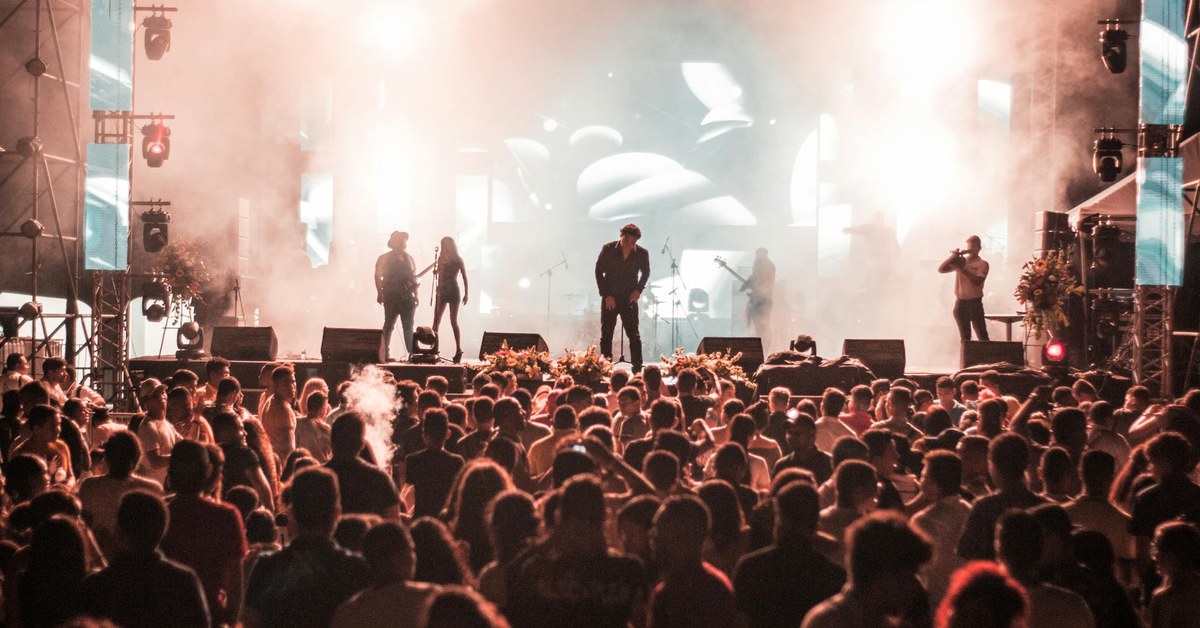

The Safe and Sound Guide to Festivals and Live Events
“Festivals and live events are some of the best experiences of young adult life. This guide covers how to have those experiences as safely as possible, without being boring about it.”
Before You Go: Planning That Actually Matters
The decisions that most affect your safety at a festival or live event are the ones you make before you arrive. Once you are in the middle of a crowd, tired, possibly intoxicated, and trying to find a friend who has a different phone network, the time for planning has passed.
Agree a specific meeting point at the event that everyone in your group knows: something distinctive and fixed, not the main stage (too vague), but the specific location of the main medic tent or a particular landmark. Agree on what happens if you are separated and cannot find each other: a specific time and place to meet, not a series of phone calls that may not connect in a crowded area with overwhelmed networks.
Register for the event's wristband registration if available: this allows the event to contact someone if you are found in difficulty. Take the phone number of the event's welfare or medical service and save it in your phone before you enter. Know where the medical tents and welfare spaces are within the first thirty minutes of arriving.
Tell someone who is not at the event where you are going, a rough itinerary if you are camping, and when to expect to hear from you. This creates a backup contact who can raise the alarm if something goes wrong and you cannot contact people from within the event.
Substances at Festivals: The Honest Safety Guide
Substance use at festivals is common and the relevant safety information is most useful when it is honest rather than simply saying substances are dangerous and you should not use them.
Alcohol is the most commonly used substance and the one responsible for the most medical incidents at events. Staying hydrated (water alongside alcohol), eating before and during drinking, pacing yourself, and knowing your own limits all reduce the risk. Know the signs of alcohol poisoning and know that calling for help for a friend who is in difficulty will not get you in trouble at a reputable festival: most major festivals have explicit welfare policies that encourage people to seek help without fear of arrest.
For illegal substances: harm reduction organisations operate at most major festivals and provide information, drug testing services (where legal), and support without judgment. The Loop and FRANK are two UK organisations with a presence at events. Testing your substances before taking them reduces the risk from adulterated products, which is a significant risk at festivals where the supply chain is entirely uncontrolled.
Mixing substances, including alcohol with other drugs, significantly amplifies risks in ways that are unpredictable. Overheating (hyperthermia) and overhydration (hyponatraemia from drinking too much water with certain substances) are specific festival risks that festival welfare teams are trained to treat.
Crowd Safety
Crowd crushes at major events have killed people in the UK and internationally in recent years. Crowd safety awareness is an underestimated but genuinely important skill for anyone who attends large events.
Know where the exits are and an alternative exit from your normal position. If you feel crowd pressure building (the feeling of being pushed from multiple directions, difficulty maintaining your footing, a sense that the crowd is moving as a single body rather than as individuals), start moving toward the edge of the crowd area immediately, without waiting to see if it gets worse. The warning signs come before the danger becomes acute, and acting early makes a significant difference.
If you find yourself in a crush and cannot move freely: keep your arms up to protect your chest space, turn sideways where possible to give yourself more breathing room, and try to move diagonally toward the edge rather than directly against the crowd flow. Do not try to pick something up from the ground if you drop it.
Welfare and Mental Health at Festivals
Festivals are often wonderful experiences but they can also be overwhelming, exhausting, and emotionally challenging. Heat, lack of sleep, substances, large crowds, and the social pressure of having a good time can all contribute to anxiety, low mood, or crisis experiences.
Every significant festival has a welfare space (often called a safe space, chill-out zone, or welfare area) where you can go if you are struggling. These are staffed by trained volunteers and are judgment-free. You do not have to be in a crisis to use them: if you need a quiet space, a conversation, or simply to sit away from the crowd for a while, that is a valid reason to be there.
Look out for friends who seem to be struggling. The festival context can make it easy to miss signs of distress in others when everyone is focused on having fun. Checking in with friends periodically, particularly those who are quiet or withdrawn in a context where everyone else is energised, is a simple act of care that can make a significant difference.
Getting Home
The journey home from a festival or event is one of the higher-risk parts of the experience: people are tired, potentially intoxicated, and often travelling unfamiliar routes. Plan your transport home before you go, not on the day: book train tickets, confirm car arrangements, or book taxis in advance. Do not drive if you have been drinking or taking substances: the consequences, including for other road users, are severe and entirely avoidable.
If you miss your planned transport, stay at the event venue until you have a confirmed safe alternative. Most major events have information points that can help with transport advice. Do not accept lifts from strangers. Do not walk home on an unfamiliar route, particularly at night.