Safe Storage of Medications at Home
Moving into your own place means taking responsibility for storing medications safely. This guide covers everything from prescription drugs to over-the-counter remedies, helping you protect yourself, visitors, and anyone you live with.
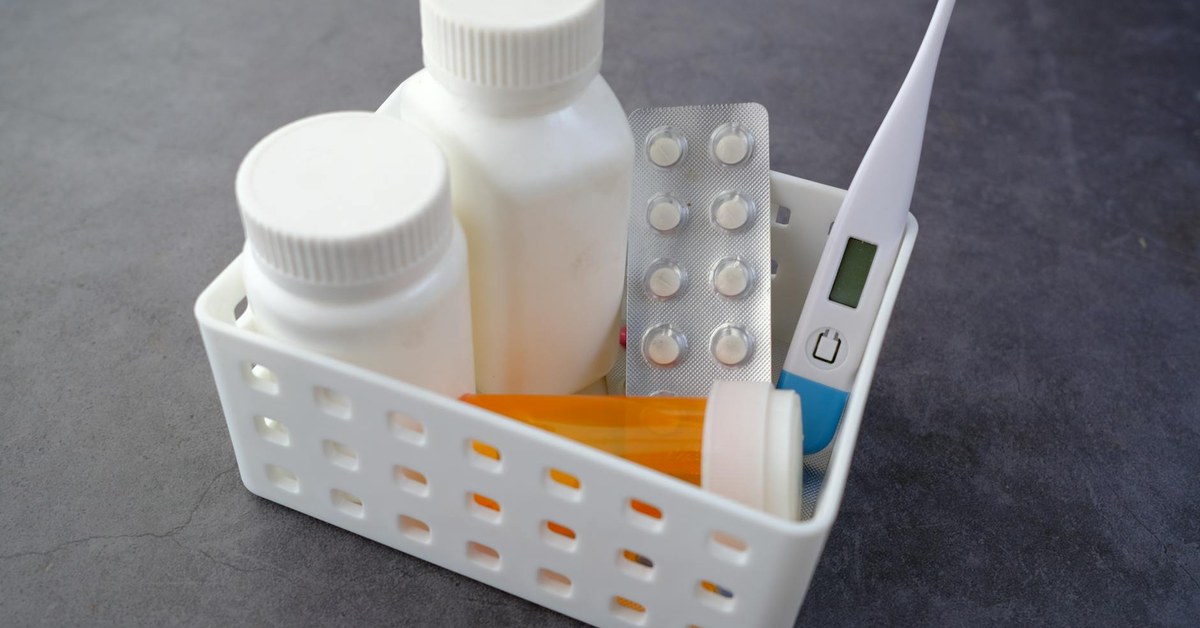

Safe Storage of Medications at Home
“Moving into your own place means taking responsibility for storing medications safely. This guide covers everything from prescription drugs to over-the-counter remedies, helping you protect yourself, visitors, and anyone you live with.”
Why Medication Storage Matters More Than Most People Realise
When you move into your own flat or house for the first time, medication storage is rarely at the top of your list of priorities. You are more likely thinking about furniture, bills, and figuring out your new commute. Yet how you store your medicines at home has genuine implications for your health, your safety, and the safety of anyone who visits or lives with you.
Medications that are stored incorrectly can lose their effectiveness well before their expiry date. Some medicines that are kept in unsuitable conditions become chemically altered in ways that can make them actively harmful. Prescription drugs left unsecured in shared households or accessed by visitors can lead to accidental poisoning, particularly involving children, and can also contribute to the broader problem of medication misuse. Understanding good storage practice is, in short, a basic but important aspect of looking after yourself and those around you.
The Basics of Proper Medication Storage
Most medications come with storage instructions on the label or in the patient information leaflet. These instructions exist for good reasons and should be followed carefully. The key variables are temperature, light, moisture, and accessibility.
Temperature is one of the most commonly misunderstood factors. Many people assume that the bathroom cabinet is the obvious place to store medicines, but bathrooms are among the least suitable locations in most homes. The heat and humidity generated by hot showers and baths can degrade many medications significantly. A cool, dry place away from direct sunlight and heat sources is generally preferable. A bedroom drawer, a kitchen cupboard away from the hob or kettle, or a dedicated storage box kept in a relatively stable environment are all better options for most standard medicines.
Some medications do require refrigeration. Injectable medications, certain liquid antibiotics, some insulin products, and various biological medicines are among those that need to be kept cold. If you have been prescribed a medication requiring refrigeration, store it in a dedicated section of the fridge away from food, particularly raw meat or anything with strong odours. Never freeze medications unless the instructions explicitly state that freezing is appropriate.
Light is another factor to consider. Ultraviolet light can break down certain medications, which is why some medicines come in amber-coloured bottles or opaque packaging. Keep medicines in their original packaging wherever possible and avoid storing them on windowsills or in places exposed to direct sunlight.
Moisture can cause tablets and capsules to degrade, clump together, or dissolve prematurely. Desiccant packets included in some medication packaging are there for a reason; do not remove them. If your medication has become visibly discoloured, crumbled, or otherwise changed in appearance from what it looked like originally, consult a pharmacist before using it.
Organising Your Medications Effectively
Having a clear system for organising your medications helps prevent confusion, missed doses, and accidental double dosing. This is particularly important if you take multiple medications regularly.
Keep all medications in their original packaging. The packaging contains the name of the drug, the dosage, the expiry date, and the prescribing information. Decanting tablets into generic containers is a common habit that creates unnecessary confusion and makes it harder to check whether a medication is still within its use-by date.
If you take several medications at specific times of day, a weekly pill organiser can be a helpful tool. These are available cheaply at most pharmacies and allow you to pre-sort your doses so that you can see at a glance whether you have taken your morning or evening medication. They are particularly useful for complex regimens but work well for simpler routines too.
Keep a simple written or digital list of all the medications you take, including the dosage, frequency, and prescribing doctor's name. This list is invaluable in emergencies and when visiting new healthcare providers, who will need to know your current medications to avoid prescribing anything that could interact dangerously with what you are already taking.
Securing Medications in Shared Homes
If you live with flatmates, a partner, or family members, the question of medication security becomes more complex. Prescription medications, particularly those with a potential for misuse such as opioid painkillers, benzodiazepines, stimulants used to treat ADHD, and certain sleep aids, should be stored securely and not left in communal areas.
This is not about distrusting the people you live with. It is about basic harm reduction. Medications prescribed for you are calibrated to your body weight, medical history, and specific condition. The same drug and dose can have very different and potentially dangerous effects on someone else. Someone helping themselves to your painkillers or sleeping tablets without medical guidance is at genuine risk of harm.
A lockable medicine box is an inexpensive and practical solution for storing high-risk medications securely. These are widely available online and in pharmacies. Keeping your most sensitive medications in such a container, regardless of your specific living situation, is a sensible habit.
If you have children visiting your home regularly, either as younger siblings, relatives, or the children of friends, medication security becomes even more pressing. Young children are particularly vulnerable to accidental poisoning from medications that look like sweets or are stored within reach. Even medications that seem relatively harmless to adults, such as iron supplements or certain antihistamines, can be seriously harmful or fatal to small children in adult doses. Treat all medications as potentially dangerous to children and store them accordingly.
Managing Prescription Medications Responsibly
Prescription medications are prescribed specifically to you and should only be used as directed by your healthcare provider. This sounds obvious, but the informal sharing of prescriptions is common, particularly among young adults. Sharing prescription medications is illegal in many countries, can lead to dangerous drug interactions or inappropriate dosing for the recipient, and can create dependency risks, particularly with certain classes of drugs.
If you have been prescribed a course of antibiotics, it is important to complete the full course even if you start feeling better before the end. Stopping early is a common behaviour that contributes to antibiotic resistance, a serious and growing global health problem. Unused antibiotics should be disposed of properly rather than saved for future use; the next time you are ill, you will need a fresh prescription based on whatever infection you have at that point.
For medications taken long-term, such as antidepressants, thyroid medication, or contraceptives, keeping a consistent supply is important. Avoid running down to your last tablet before ordering a repeat prescription; most healthcare systems recommend requesting refills around a week before you expect to run out. Setting a recurring reminder on your phone is a simple way to manage this.
Over-the-Counter Medications: Not Without Risk
There is a common perception that over-the-counter medications, those available without a prescription, are inherently safe and require less careful management than prescription drugs. This perception is not accurate. Many over-the-counter medications carry significant risks when misused, combined with other substances, or taken in excessive quantities.
Paracetamol (known as acetaminophen in some countries) is among the most widely available painkillers in the world and is also one of the most common causes of acute liver failure when taken in overdose. The margins between a therapeutic dose and a harmful one are narrower than many people appreciate. Following dosage instructions carefully and not combining multiple products that contain paracetamol, such as a branded cold remedy and a separate painkiller, is important.
Ibuprofen and other non-steroidal anti-inflammatory drugs (NSAIDs) carry risks of gastrointestinal bleeding, kidney strain, and cardiovascular complications, particularly when taken long-term or in high doses. They are also contraindicated for certain people, including those with asthma, kidney problems, or a history of stomach ulcers. If you find yourself relying on over-the-counter pain relief regularly, it is worth discussing this with a healthcare provider rather than continuing to self-medicate indefinitely.
Disposing of Medications Safely
Unused, expired, or unwanted medications should be disposed of properly rather than flushed down the toilet, poured down the sink, or thrown in household waste. Pharmaceutical compounds that enter the water supply have well-documented environmental effects, including impacts on aquatic ecosystems. Medications in household waste can be accessed by children, animals, or people searching through bins.
In many countries, pharmacies operate take-back schemes that allow you to return unused medications for safe disposal. This is the recommended route in the United Kingdom, Australia, much of Europe, Canada, and many other countries. In the United States, a growing network of DEA-authorised drug take-back sites operates alongside permanent drop-off points at many pharmacies and hospitals. If a take-back option is not available in your area, many health authorities publish guidance on the safest method of household disposal for different types of medication.
When disposing of medications at home as a last resort, mixing them with an undesirable substance such as coffee grounds or cat litter before placing them in a sealed bag in the bin can deter accidental or deliberate access. Remove or obscure any personal information on prescription labels before disposal.
Travelling With Medications
For young adults who travel frequently for study, work, or leisure, managing medications on the move presents additional considerations. Most countries allow travellers to carry a reasonable personal supply of medication for their own use, but regulations vary, and some medications that are freely available in one country are controlled substances or even illegal in another.
Before international travel, check the regulations of your destination country regarding any prescription medications you carry. Your prescribing doctor can provide a letter explaining your medical need for the medication, which can be helpful at customs. For controlled substances, some countries require formal advance approval or specific documentation. Carrying medications in their original labelled packaging is generally advisable.
Keep medications in your carry-on luggage rather than checked baggage when flying. Checked bags can be lost, delayed, or subjected to temperature extremes in the hold that may compromise medication quality. For medications requiring refrigeration, insulated travel cases with gel packs can maintain appropriate temperatures for limited periods.
Building Good Habits for the Long Term
Good medication management is ultimately about building sustainable habits rather than performing a one-time reorganisation. A regular, simple review of your medicine supply every few months, checking expiry dates and disposing of anything no longer needed, keeps your storage area manageable and safe. Keeping your GP or pharmacist informed about all medications you are taking, including supplements and over-the-counter products, helps them provide you with safe advice. And approaching medications, whether prescribed or purchased over the counter, with the same careful attention you would give to any other substance that has a direct effect on your body is the foundation of sensible home healthcare.