Safeguarding Children in Faith Communities
A guide for parents on understanding safeguarding in religious settings, what good child protection practice looks like in faith communities, and how to raise concerns about a child safety.
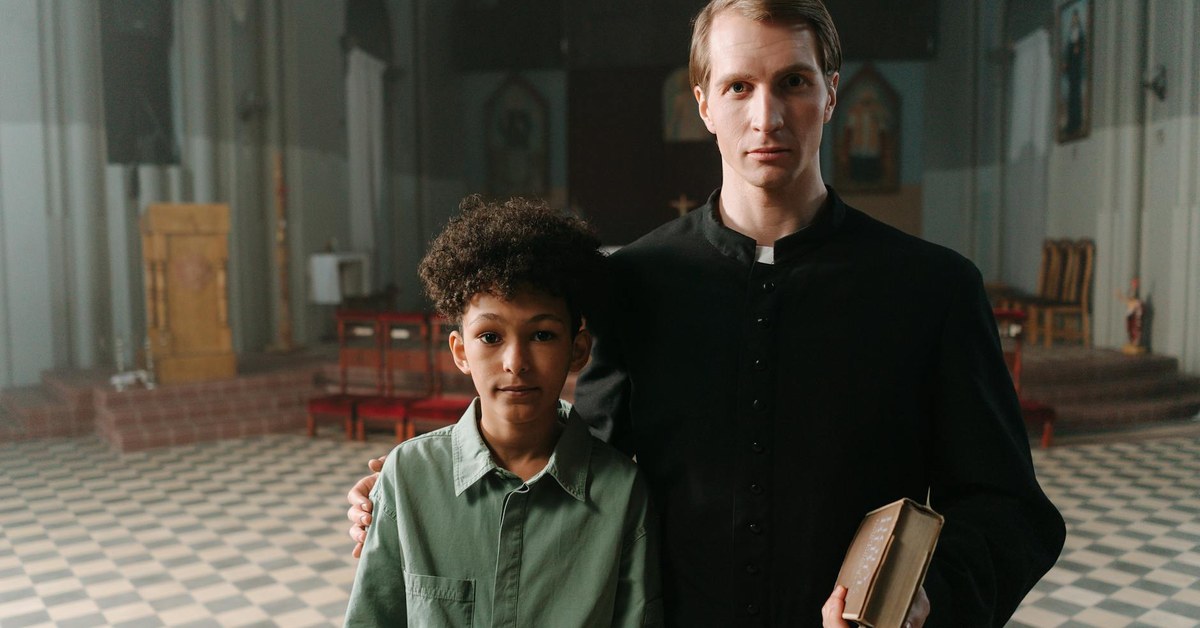

Safeguarding Children in Faith Communities
“A guide for parents on understanding safeguarding in religious settings, what good child protection practice looks like in faith communities, and how to raise concerns about a child safety.”
Faith Communities and Child Protection
Faith communities, including churches, mosques, synagogues, temples, madrasas, Sunday schools, youth groups, and religious camps, are a central part of life for many millions of families worldwide. For most children, participation in religious life is a positive, safe, and enriching experience. Religious communities often provide strong social support networks, shared values, and a sense of belonging that contributes positively to children wellbeing.
At the same time, faith communities have historically been settings where child abuse has occurred and where institutional responses to allegations have sometimes been inadequate. High-profile cases across multiple faith traditions and countries have led to significant public scrutiny and, in many cases, legal and regulatory change. Understanding what good safeguarding looks like in a religious setting empowers parents to ask the right questions and recognise when something may be wrong.
What Good Safeguarding Looks Like in Religious Settings
Well-run faith communities take child protection seriously and have systems in place to prevent abuse and respond to concerns. Signs of good safeguarding practice include:
- A written child protection or safeguarding policy that is accessible to parents
- A named safeguarding lead or designated person responsible for child protection within the organisation
- Background check requirements for all adults working with children, consistent with national regulations
- A two-adult rule or similar practice requiring that children are never alone with a single adult
- Training for all volunteers and staff who work with children
- Clear procedures for reporting concerns both internally and to statutory authorities
- Open, transparent communication with parents about activities, personnel, and any concerns that arise
- A culture where questions and concerns are welcomed rather than discouraged
Questions to Ask Your Faith Community
Before enrolling your child in any religious programme or activity:
- Do you have a child protection policy I can read?
- Who is the designated safeguarding lead?
- What background checks do you carry out on adults who work with children?
- Do you have a two-adult policy for activities involving children?
- How would I raise a concern if I had one?
A well-run organisation will welcome these questions. Defensiveness, dismissal, or evasion in response should raise concern.
Specific Risks in Religious Settings
Some factors can create specific vulnerabilities in religious settings:
- Authority and deference: Religious leaders and teachers may hold significant authority in their communities, which can make it harder for children, parents, and other community members to question or challenge their behaviour.
- Privacy and isolation: Religious instruction, confession, pastoral counselling, and similar activities may involve one-to-one settings that, without appropriate safeguards, create opportunities for abuse.
- Community pressure: In tight-knit religious communities, the pressure to protect the community reputation, to resolve matters internally, or to defer to religious authority can prevent appropriate reporting and response to abuse allegations.
- Spiritual coercion: In some settings, children may be discouraged from questioning adults in positions of religious authority, or threats of spiritual consequences may be used to ensure secrecy.
Keeping Your Child Safe in Religious Settings
- Maintain open communication with your child about their experiences in religious settings. Ask regularly about who they spend time with and whether anything has made them feel uncomfortable.
- Be cautious about extended one-to-one time between your child and any adult, including religious leaders, without you being present or another trusted adult being nearby.
- Trust your instincts. If something about a religious setting or a specific adult makes you uncomfortable, investigate further before dismissing the feeling.
- Make clear to your child that no adult, regardless of their religious authority, should ever ask them to keep secrets from their parents, touch them in a way that makes them uncomfortable, or show them images or discuss topics that feel wrong to them.
Raising Concerns
If you have concerns about a child safety in a religious setting, do not feel limited to internal reporting processes. You have the right and in some countries the legal obligation to report child protection concerns directly to statutory authorities. If you believe a child is at risk of harm, contact child protection services or police. Waiting for the organisation to investigate itself, particularly if the concern involves a senior figure, is rarely the right approach.
Your child safety is always more important than community harmony, institutional reputation, or religious authority.