Safeguarding in Sport: Protecting Young Athletes
Sporting environments can be places of harm as well as development. This guide helps parents, athletes, and sports organisations understand safeguarding risks in sport, recognise warning signs, and ensure young athletes are properly protected.
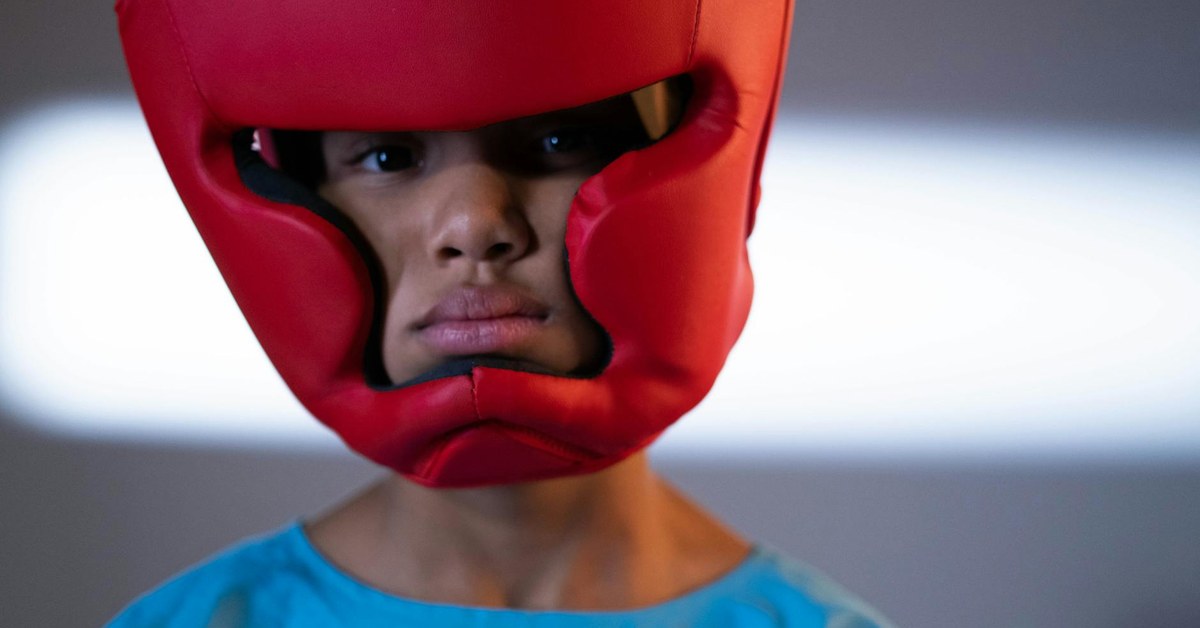

Safeguarding in Sport: Protecting Young Athletes
“Sporting environments can be places of harm as well as development. This guide helps parents, athletes, and sports organisations understand safeguarding risks in sport, recognise warning signs, and ensure young athletes are properly protected.”
Sport as a High-Risk Environment for Young People
Sport provides extraordinary benefits for young people: physical health, discipline, teamwork, resilience, and a sense of achievement. But sporting environments also carry specific safeguarding risks that are not always well understood by parents or by sports organisations themselves. The particular characteristics of sporting environments, the power differential between coach and athlete, the physical nature of many sporting activities, the normalisation of pushing through discomfort, and the time athletes spend alone or in small groups with adult coaches, create conditions that have historically been exploited by abusers.
Major safeguarding scandals in high-profile sports, from gymnastics to swimming to cycling, have demonstrated that these risks are real, widespread, and have often persisted for decades because the sporting culture made it difficult for young people to report or be believed. Understanding what safeguarding in sport should look like, and what warning signs of poor practice or abuse are, is essential knowledge for every family whose child participates in organised sport.
What Good Safeguarding in Sport Looks Like
Well-governed sports organisations have specific, non-negotiable safeguarding structures in place:
- A designated safeguarding lead with specific training and responsibility for child protection
- A clear, accessible complaints and reporting process that young people and parents can use
- Background checks (DBS checks or equivalent in different countries) for all adults working with young people
- Policies on appropriate coach-athlete communication, including restrictions on private messaging and social media contact
- Codes of conduct for coaches and volunteers that are clearly stated and enforced
- Changing room policies that protect young people's privacy
- Training for all staff and volunteers on recognising and reporting safeguarding concerns
If a sports club or organisation cannot demonstrate that these structures are in place, that is itself a safeguarding concern. Parents are entitled to ask about safeguarding arrangements, and clubs should be able to answer clearly.
The Power of the Coach-Athlete Relationship
The coach-athlete relationship in sport can be one of enormous influence, particularly for young people who are deeply invested in their sport. A coach who has authority over selection, training, and performance feedback holds significant power over an athlete's aspirations. This power differential is not inherently harmful; in most cases it operates entirely appropriately. But it is the same differential that abusers in sports contexts exploit.
Grooming by sports coaches follows patterns similar to grooming in other contexts: identifying vulnerable young athletes, building a privileged relationship framed as necessary for performance, creating exclusivity and secrecy around the relationship, and gradually crossing boundaries in ways that each seem like a small step from the last.
Normalisation is a particular risk in sport. Cultures in which pushing through pain is valued, in which athletes are expected to trust their coaches completely, in which questioning authority is framed as weak or uncommitted, and in which young people's complaints about training experiences are dismissed as not being tough enough, create environments in which genuine abuse can persist unidentified.
Appropriate and Inappropriate Coach Behaviour
Parents and young athletes should be aware of the boundary between appropriate and inappropriate coach behaviour:
Appropriate: Technical feedback on performance; supporting athletes through difficulties as part of their sporting development; visible coaching in open training environments; communication with parents about performance and welfare; physical contact that is relevant to the sport (such as positioning correction) and conducted in open environments with the athlete's awareness.
Inappropriate: Private communication with young athletes on personal social media or messaging apps outside of transparent channels; individual meetings with young athletes without parental knowledge or in private settings; physical contact that is not relevant to the sport or that the young person has expressed discomfort with; boundary-pushing comments about appearance or romantic life; requesting or enabling secrecy about any aspect of the coaching relationship; special gifts or privileges to individual young athletes; verbal abuse, humiliation, or threats as coaching tools.
Warning Signs for Parents
- A coach who consistently meets with your child individually without your knowledge
- Your child receiving special gifts or excessive attention from a coach
- Your child being reluctant to tell you about what happens at training or with a specific coach
- Your child showing changes in mood or behaviour around training or a specific adult in the sporting context
- A coach communicating with your child privately through channels you are not aware of
- Your child expressing discomfort about a specific person in the sporting environment but feeling they cannot say why
What Young Athletes Should Know
Young athletes should know that they have the right to physical and emotional safety in their sport. Coaching that includes verbal abuse, humiliation, inappropriate physical contact, or any behaviour that makes them feel uncomfortable or unsafe is not acceptable and should be reported. Winning is not more important than their wellbeing. A genuinely good coach does not need to ask athletes to keep secrets from their parents.
They should also know that raising a concern about a coach will not necessarily end their sporting career, and that their sporting aspirations should not require them to tolerate inappropriate behaviour to achieve them.
How to Report Concerns
Concerns about safeguarding in sporting environments can be reported to the sports club's designated safeguarding lead, to the relevant national sporting body, and to local child protection services or police where the concern involves possible criminal behaviour. If a child is in immediate danger, emergency services should be contacted first.
Conclusion
Sport should be a safe, positive environment for young people. The safeguarding structures that make it so are known and accessible; what is required is for clubs, parents, and young people to insist on them. A club that treats safeguarding questions as unwelcome interference is a club that should be asked much harder questions.