Safety for Children with Hearing Impairments
Children with hearing impairments face specific safety challenges that require tailored approaches. This guide helps parents and carers ensure children with hearing loss have access to the same safety information and protective strategies as their hearing peers.
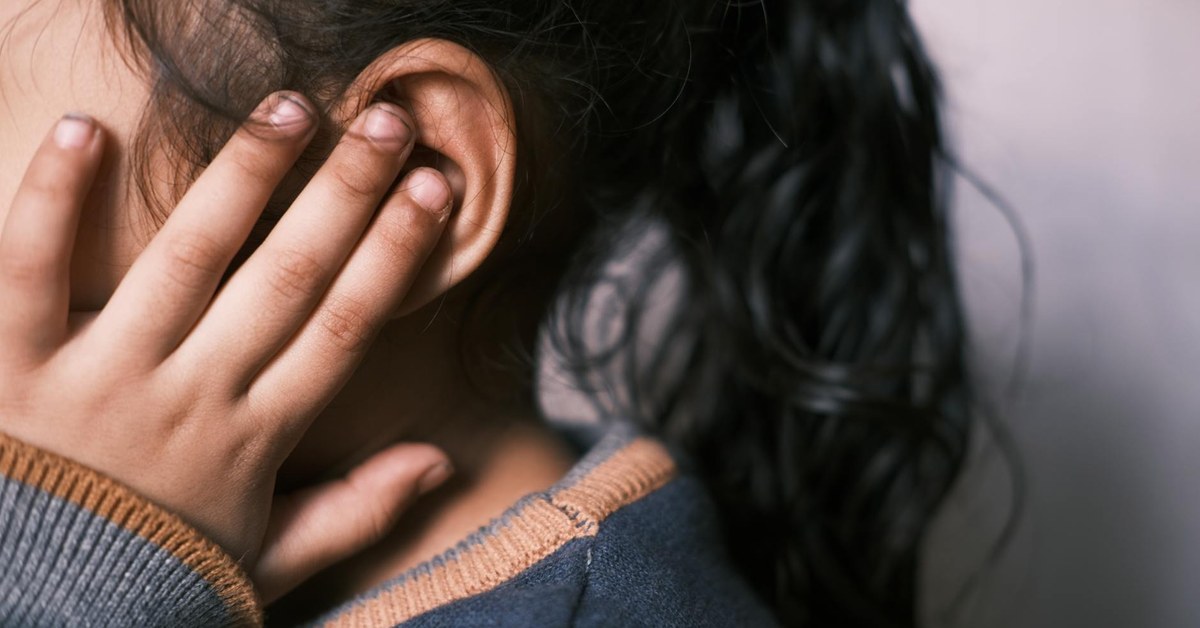

Safety for Children with Hearing Impairments
“Children with hearing impairments face specific safety challenges that require tailored approaches. This guide helps parents and carers ensure children with hearing loss have access to the same safety information and protective strategies as their hearing peers.”
Safety That Accounts for Real Experience
Generic child safety guidance assumes a child who can hear approaching traffic, fire alarms, someone calling their name, or a warning shout. For the estimated 45,000 children in the UK with significant hearing loss, this assumption means that standard safety advice either does not apply or needs significant adaptation. Understanding where hearing impairment creates specific safety vulnerabilities, and what practical measures address them, is the foundation of effective safety provision for these children.
This guide covers the specific safety considerations for children with hearing impairments across the situations they navigate most frequently, from road safety to fire safety, school environments to online communication. It is written for parents, carers, and the professionals who work with these children.
Road Safety
Road safety for hearing-impaired children requires approaches that do not depend on hearing traffic. The fundamental Green Cross Code skills remain relevant: stopping at the kerb, looking carefully in both directions, and only crossing when safe. What changes is the emphasis on visual rather than auditory cues.
Teach children to look for visual movement cues: the approach of headlights, the movement of vehicles, the presence of lorries whose sound may not be audible, and bicycles and electric vehicles that make minimal noise regardless of hearing status. Electric vehicles in particular present a specific hazard because they are nearly silent at low speeds; hearing children may hear approaching EVs, but all children benefit from learning not to rely on sound alone.
Crossed roads should be treated as potentially active regardless of what can be heard. A hearing-impaired child who has learned that crossing means looking, not just listening, is following a safer protocol than a hearing child who may become overconfident in their ability to hear approaching vehicles.
Hearing aids and cochlear implants may not be worn during some activities, particularly swimming, and some children remove them in certain social contexts. Being clear with children about the specific safety implications of operating without their devices, and ensuring they understand they need to apply heightened visual awareness in these situations, is important.
Fire and Home Safety
Standard smoke alarms are not effective for children with hearing impairments who sleep without their hearing devices. Specialist fire alarm systems that use strobe lights and vibrating pads rather than or in addition to auditory alarms are available and should be considered for any household with a hearing-impaired family member.
The Fire Kills campaign and local fire services can advise on appropriate alarm systems for deaf or hearing-impaired residents. Many local fire and rescue services offer free home fire safety checks and can advise on and sometimes supply adapted alarm equipment. Contact your local service to arrange a check.
Vibrating alarm systems that connect to bed shakers provide physical waking when a strobe alone may not be sufficient. These systems are now widely available and have become significantly more sophisticated and reliable. Ensure that any alarm system installed is tested regularly and that all household members know where the devices are located and what the response protocol is.
Emergency Communication
Ensure that any child with a hearing impairment has a reliable way to communicate in an emergency, including situations where their hearing devices may not be available. Text-based communication, the emergencySMS service (registered at emergencysms.net), and written cards that communicate essential information are all components of a comprehensive emergency communication plan.
Teach children what to do if they cannot use their hearing devices and need help: go to a trusted adult, write down what they need help with, or use pre-agreed signals with family members or school staff. The specific protocol will depend on the child's age, level of hearing loss, and communication approach, but having an explicit plan established in advance is significantly better than relying on improvisation in a stressful situation.
School Safety
Work with your child's school to ensure that safety systems accommodate hearing impairment. This includes: fire alarm systems that include visual alerts in spaces the child occupies; established protocols for ensuring hearing-impaired pupils receive emergency instructions directly rather than through whole-school announcements; and staff who are aware of the child's specific communication needs and who know how to communicate clearly in an emergency.
The school's Special Educational Needs Coordinator (SENCO) is the appropriate person to involve in these conversations. Put any agreed adaptations in writing as part of the child's Education, Health and Care Plan (EHCP) or Individual Support Plan, so that they are documented and consistently implemented across all staff.
Building Independence and Confidence
Children with hearing impairments deserve the same progressive independence as their hearing peers, and safety approaches should support rather than restrict this development. Over-protection in response to hearing impairment can limit children's development of the independence skills they will need as adults.
Discuss safety explicitly and in terms of what the child can do rather than what they cannot do. A hearing-impaired child who knows to rely on visual cues, who has a communication plan for emergencies, who carries identification that includes their hearing status, and who has practised navigating specific environments, is a child who can engage with increasing independence safely. Build these foundations proactively rather than waiting for an incident to prompt adaptation.
Organisations including the National Deaf Children's Society (ndcs.org.uk) and the Royal National Institute for Deaf People (RNID) provide extensive resources on safety and independence for deaf and hearing-impaired children and their families, and can signpost to specialist support in your area.