Scam Texts and Phone Calls: How to Spot Smishing and Vishing
Scam texts and phone calls are among the most common ways fraudsters target young adults worldwide. Understanding smishing and vishing could save you from serious financial and personal harm.
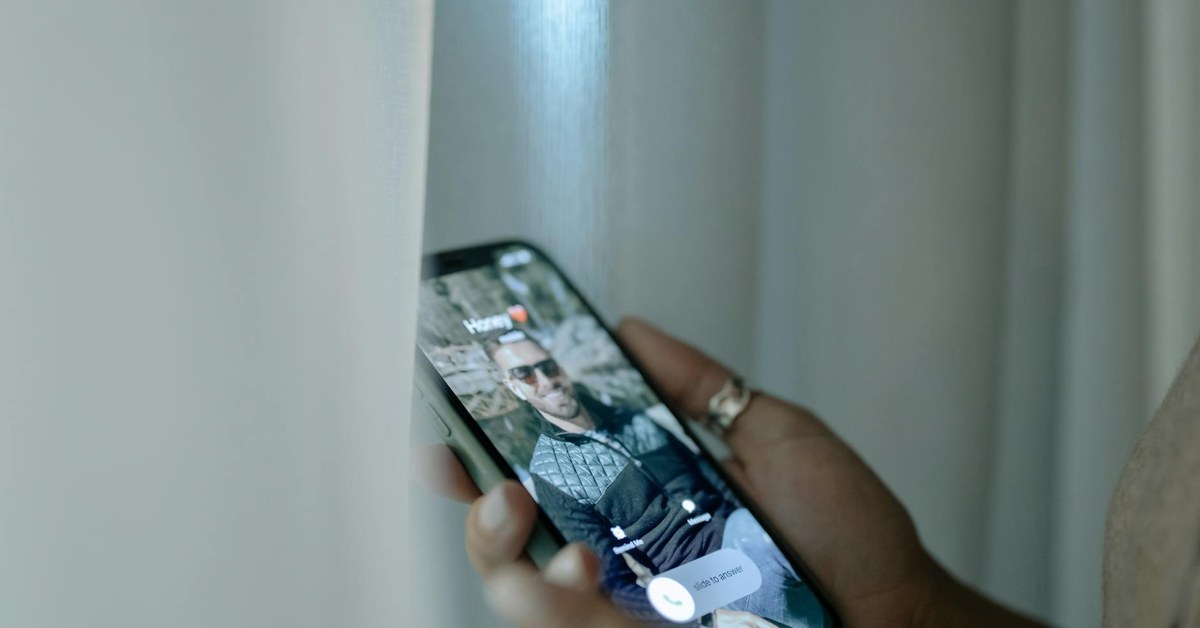

Scam Texts and Phone Calls: How to Spot Smishing and Vishing
“Scam texts and phone calls are among the most common ways fraudsters target young adults worldwide. Understanding smishing and vishing could save you from serious financial and personal harm.”
What Are Smishing and Vishing?
Smishing refers to phishing attacks delivered via SMS text message, while vishing describes the same type of fraud conducted over a voice call. Both methods are increasingly used to target young adults, who tend to manage more of their financial and personal affairs through their phones than any previous generation. According to fraud prevention organisations globally, mobile-based scams have grown dramatically in recent years, with young adults in their late teens and twenties accounting for a significant and rising proportion of victims.
Understanding exactly how these scams work is your best defence. Fraudsters rely on urgency, fear, and the appearance of legitimacy. Once you know the tactics, the red flags become much easier to spot.
How Smishing Scams Work
A smishing message typically appears to come from a trusted source. Common impersonations include banks, delivery companies, government agencies, mobile phone providers, and streaming services. The message usually claims something urgent has happened, such as a parcel delivery failure, a suspicious payment on your account, or an unpaid fine, and asks you to click a link or provide information.
Once you click the link, you may be taken to a fake website that closely mirrors the real thing. If you enter your login credentials, card details, or personal information, that data goes directly to the fraudster. In some cases, clicking the link alone can install malware on your device.
Common smishing scenarios that target young adults include fake bank security alerts claiming your account has been locked, parcel delivery texts saying you owe a customs fee, messages from streaming platforms saying your subscription has been cancelled, university or student loan messages claiming your account needs verification, prize or competition win notifications, and messages from potential employers asking you to verify your identity before an interview.
How Vishing Scams Work
Vishing calls typically come from people pretending to be from your bank, a government department, a utility provider, or a tech support team. The caller may already know some details about you, such as your name or part of your address, which makes them seem more credible. This information is often obtained from data breaches or purchased from other criminals.
Bank impersonation is one of the most common vishing approaches. The caller claims to be from your bank's fraud department, says suspicious transactions have been detected, and asks you to confirm your card details or transfer your money to a safe account. No real bank will ever ask you to move money or share your full PIN over the phone. Government impersonation is also widespread, with calls claiming to be from tax authorities, immigration departments, or police agencies threatening arrest or legal action if you do not pay immediately. Tech support fraud involves someone claiming your device has been infected with a virus and asking you to install remote access software.
Why Young Adults Are Targeted
Fraudsters specifically target young adults for several reasons. This age group is highly active on mobile devices, likely to be managing their first bank accounts and financial products, and may have less experience recognising fraud tactics. Students in particular often deal with unfamiliar processes, such as student finance, renting for the first time, or starting new jobs, which creates opportunities for scammers to exploit uncertainty.
Additionally, younger people are often more trusting of digital communication and may not question the legitimacy of a text or call in the same way that those who grew up without these technologies might.
Red Flags to Watch For
Whether you receive a text or a call, certain warning signs should immediately put you on alert. Look out for urgency and pressure to act immediately without time to think, threats of negative consequences such as arrest or account closure, requests for your PIN or full password, instructions to transfer money to a new account, links in text messages especially shortened URLs, requests to download software to allow remote access, and callers who ask you to keep the call secret from friends or family.
What to Do When You Receive a Suspicious Text
If you receive a text that seems suspicious, do not click any links. Even if the message looks genuine, go directly to the official website by typing the address into your browser. Do not reply to the message, as replying confirms your number is active. Verify independently by calling the official number from the organisation's website. Report it by forwarding to your country's designated spam reporting number. In the UK, you can forward to 7726. In the United States, forward to SPAM (7726). Other countries have similar reporting mechanisms. Then delete the message.
What to Do During a Suspicious Call
If you receive a call that feels suspicious, hang up. You are never obliged to stay on a call that makes you uncomfortable. Wait before calling back, as some fraudsters use techniques to stay on the line. Use a different phone or wait a few minutes before calling your bank or the claimed organisation. Call using official numbers only, from the back of your bank card or from an official website. Tell someone you trust, as fraud is designed to isolate its victims. Report the call to your national fraud reporting service.
Protecting Your Number and Personal Details
Prevention is also about limiting how much information is available to fraudsters. Be cautious with your phone number online and avoid posting it publicly on social media or forums. Register with national telephone preference services where they exist in your country. Use spam call blocking apps available through mobile providers or third parties. Enable two-factor authentication using an authenticator app rather than SMS codes where possible, as this reduces the risk of SMS interception attacks. Review app permissions carefully and only grant access when genuinely necessary.
If You Have Already Been Scammed
If you have clicked a link, given out information, or transferred money after a scam text or call, act quickly. Contact your bank immediately using the official number on the back of your card. Change the passwords for any accounts that may have been compromised. Report to your national fraud and cybercrime authority. If you transferred money, your bank may be able to recall it if you act fast. If malware may have been installed, run a full security scan on your device. Tell someone you trust and do not be embarrassed. Fraud happens to intelligent, careful people of all ages and backgrounds.
Staying Ahead of Evolving Tactics
Scam tactics evolve constantly. Artificial intelligence is now being used to clone voices and create more convincing calls. Deepfake audio is a real and growing concern. Messages are increasingly personalised using data obtained from breaches or social media. The best long-term protection is a healthy scepticism of unsolicited contact, regardless of how convincing it seems. If someone contacts you out of the blue and wants something from you, slow down, verify independently, and never let urgency override your judgement. Young adults who learn to recognise these tactics early are not only protecting themselves but also helping protect others by sharing knowledge with friends and family.