Seasonal Affective Disorder in Young Adults
Seasonal Affective Disorder affects millions of people worldwide, with young adults among the most commonly affected groups. This guide explores the causes, symptoms, and evidence-based approaches to managing winter depression.
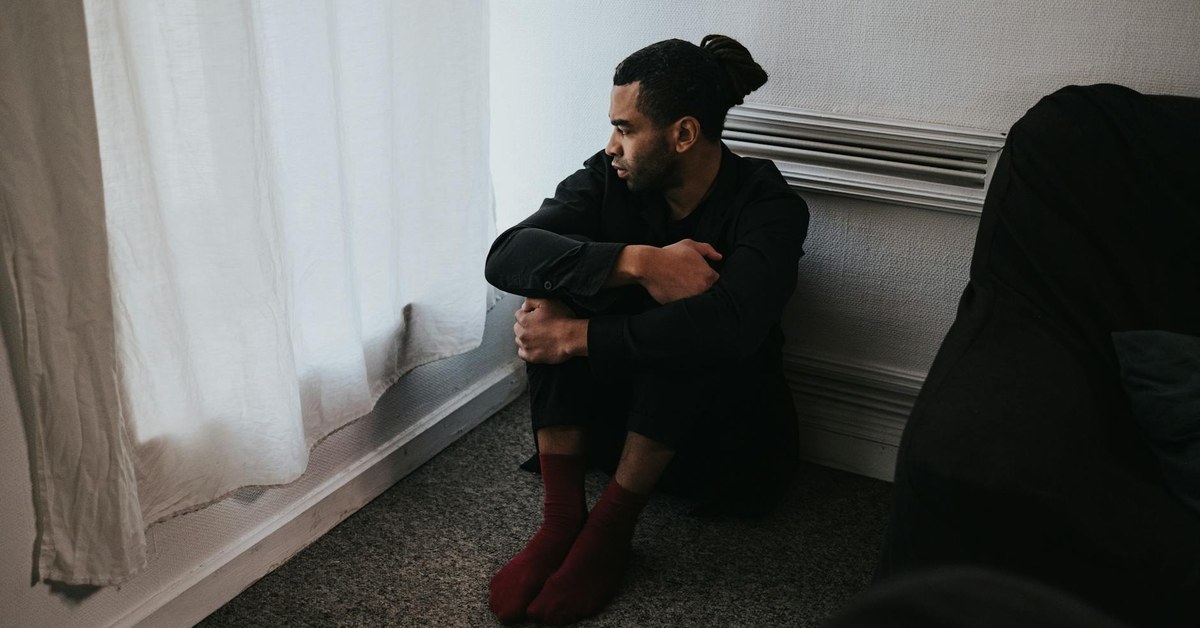

Seasonal Affective Disorder in Young Adults
“Seasonal Affective Disorder affects millions of people worldwide, with young adults among the most commonly affected groups. This guide explores the causes, symptoms, and evidence-based approaches to managing winter depression.”
Introduction: When the Seasons Affect Your Mind
For many people, the arrival of autumn and winter brings more than just shorter days and colder temperatures. It brings a creeping heaviness: low energy, persistent sadness, difficulty concentrating, a pull towards sleep and isolation, and a sense that life has become grey in more ways than one. If this pattern repeats every year and lifts reliably with the return of spring and longer daylight hours, the cause may be Seasonal Affective Disorder, commonly known as SAD.
SAD is a recognised form of depression with a seasonal pattern, and it is more common than many people realise. Estimates suggest it affects around 2 to 3 per cent of the general population in the UK, with a much larger proportion - up to 20 per cent - experiencing a milder form sometimes called the "winter blues" or subsyndromal SAD. Young adults are among the groups most commonly affected, and yet the condition is frequently misunderstood, overlooked, or dismissed as ordinary tiredness or moodiness.
What Is Seasonal Affective Disorder?
Seasonal Affective Disorder is classified as a major depressive disorder with a seasonal pattern in diagnostic manuals such as the DSM-5 and the ICD-11. It is characterised by depressive episodes that begin and end at roughly the same time each year, most commonly starting in autumn or early winter and remitting in spring.
A less common form of SAD occurs in summer rather than winter, bringing different symptoms such as insomnia, agitation, and reduced appetite. However, the winter form is by far the more prevalent and is the focus of this article.
SAD is not a character flaw or a sign of weakness. It is a physiological condition with identifiable biological mechanisms. Understanding this is important both for those who experience it and for the people around them.
Why Does It Happen? The Biology of SAD
The precise causes of SAD are not fully understood, but research points strongly towards the role of reduced light exposure during winter months. The leading theories involve three interconnected mechanisms: disruption to the circadian rhythm, changes in serotonin levels, and increased melatonin production.
The circadian rhythm is the body's internal clock, which regulates sleep, hormones, appetite, and mood over a 24-hour cycle. This rhythm is largely synchronised by exposure to natural light. In winter, particularly in northern and southern latitudes far from the equator, daylight hours are significantly shorter. This can disrupt the circadian clock, leading to the kinds of sleep and mood disturbances characteristic of SAD.
Serotonin is a neurotransmitter that plays a central role in regulating mood. Research suggests that people with SAD may have higher levels of a serotonin transporter protein in winter, which removes serotonin from synapses more rapidly and effectively lowers mood. Reduced light exposure appears to increase this transporter activity, which is why SAD shares similarities with other forms of depression that involve serotonin pathways.
Melatonin is a hormone that signals to the body that it is time to sleep. It is produced in response to darkness. In people with SAD, the longer nights of winter may lead to prolonged melatonin secretion, contributing to oversleeping, low energy, and sluggishness.
Genetic factors also play a role. SAD tends to run in families, and people with a family history of depression or bipolar disorder are at higher risk. Women are diagnosed with SAD roughly four times more often than men, though this gap may reflect differences in help-seeking rather than true prevalence. SAD is more common at higher latitudes - Scandinavia, Iceland, Canada, Alaska, Scotland - where winter daylight is most dramatically reduced.
Recognising the Symptoms in Young Adults
The symptoms of SAD overlap with those of other forms of depression, but there are some features that are more characteristic of the winter pattern. Recognising these is important because young adults may attribute their symptoms to other causes such as academic stress, social difficulties, or general fatigue, delaying appropriate support.
Low mood is the core symptom - a persistent sense of sadness, emptiness, or hopelessness that is present most of the day, on most days. Unlike ordinary sadness, this does not have a clear situational trigger and does not lift quickly in response to positive events.
Hypersomnia - sleeping more than usual - is more characteristic of winter SAD than of non-seasonal depression, where insomnia is more common. Young adults with SAD may find it extremely difficult to get up in the mornings, sleep for ten or more hours and still feel unrefreshed, or take lengthy naps during the day.
Carbohydrate cravings and weight gain are common, with many people reporting a strong desire for starchy, sugary foods. This is thought to be related to serotonin pathways, as carbohydrates temporarily boost serotonin levels. The result can be significant weight gain over winter months, which may in turn affect self-esteem and mood.
Social withdrawal is particularly noticeable. Young adults with SAD may find themselves cancelling plans, avoiding friends and family, and retreating from activities they usually enjoy. This can create a cycle where isolation worsens mood, which leads to further withdrawal.
Difficulty concentrating, making decisions, or completing tasks is common. This can have a significant impact on academic performance or work, leading young adults to mistakenly attribute their struggling to lack of effort or ability rather than a treatable condition.
Irritability and anxiety can also feature, and some young people find SAD triggers significant anxiety alongside the depression, creating a complex and distressing mix of symptoms.
Crucially, in SAD these symptoms follow a seasonal pattern. They typically appear gradually in September or October, worsen through December and January, and begin to lift as daylight returns in February or March. If you notice this pattern repeating over two or more years, it is worth speaking with a healthcare professional.
Getting a Diagnosis
If you suspect you may have SAD, the first step is to speak with your GP or a mental health professional. A diagnosis of SAD requires that the seasonal pattern has occurred for at least two consecutive years, that the episodes represent full depressive disorders rather than mild mood changes, and that there is no other explanation for the seasonal pattern (such as seasonal unemployment or relationship patterns).
Your doctor will likely ask about your symptom history, the time of year symptoms appear, your sleep patterns, energy levels, and any family history of depression. There is no blood test or brain scan for SAD; diagnosis is based on clinical assessment. Being honest and specific about when and how your symptoms affect you will help your doctor make an accurate assessment.
It is also worth mentioning if your symptoms in summer are different from winter, as this information helps clinicians understand the full picture.
Treatment Options: What the Evidence Says
SAD is treatable, and most people see significant improvement with the right approach. Treatment options include light therapy, psychological therapies, medication, and lifestyle changes, and these are often used in combination.
Light therapy is the most specific treatment for SAD and is usually recommended as a first-line option. It involves sitting in front of a specially designed light box that produces very bright light - typically 10,000 lux - for around 20 to 30 minutes each morning. This exposure mimics the effect of natural sunlight and helps to reset the circadian rhythm, suppress excessive melatonin production, and boost serotonin activity.
Clinical trials support the effectiveness of light therapy, with response rates comparable to antidepressant medication in many studies. Most people notice improvement within one to two weeks of starting daily use. Light therapy is generally well tolerated, with mild side effects such as headaches or eye strain in some users. Importantly, the light boxes used for SAD are not UV tanning lamps and do not carry the skin cancer risk associated with sunbeds. It is important to purchase a box specifically designed for SAD treatment and to follow the manufacturer's instructions.
Cognitive Behavioural Therapy adapted for SAD (CBT-SAD) is a psychological treatment that addresses the patterns of thinking and behaviour that maintain depression. It helps people identify and challenge negative thought patterns, re-engage with rewarding activities, and reduce avoidance and social withdrawal. Research indicates that CBT-SAD may produce more durable benefits than light therapy alone, with lower rates of relapse in subsequent winters.
Antidepressant medication, particularly selective serotonin reuptake inhibitors (SSRIs), is an effective treatment for SAD. These medications increase the availability of serotonin in the brain and are prescribed by doctors for moderate to severe cases or when other treatments have not produced sufficient improvement. In some cases, medication may be used seasonally, starting in autumn and tapering off in spring, under medical supervision.
Vitamin D supplementation is sometimes discussed in relation to SAD, as deficiency is common in winter months at northern latitudes and has been associated with low mood. However, the evidence for vitamin D supplementation as a treatment for SAD specifically is mixed. It may be useful as a general health measure for those who are deficient, but it should not be relied upon as a primary treatment.
Lifestyle Strategies That Can Help
Alongside professional treatments, several lifestyle approaches can support mood regulation during winter. Getting outside during daylight hours - even when it is cloudy - provides natural light exposure that complements artificial light therapy. A 20 to 30 minute walk in the morning is one of the most accessible and evidence-supported things you can do.
Regular physical exercise has strong evidence for its antidepressant effects across all forms of depression. Aim for at least 150 minutes of moderate-intensity activity per week. This can include walking, cycling, swimming, gym sessions, or any activity that raises your heart rate and is sustainable for you.
Maintaining a consistent sleep schedule is important for supporting circadian rhythm health. Try to wake up and go to bed at the same times each day, including weekends, and resist the urge to oversleep even when it is tempting. Getting out of bed at a consistent time - ideally as soon as possible after waking, and in a bright environment - helps to anchor your body clock.
Social connection requires deliberate effort in winter when withdrawal feels natural. Making advance plans with friends or family creates commitment structures that make it harder to cancel. Letting trusted people know that you experience SAD can reduce the awkwardness around low-mood days and enlist their support.
Limiting alcohol is important, as alcohol is a depressant that disrupts sleep quality and worsens mood over time, despite providing short-term relief. Increased alcohol consumption in winter is common but counterproductive for those with SAD.
Supporting a Friend or Partner with SAD
If someone close to you experiences SAD, your understanding and patience can make a meaningful difference. Avoid framing their symptoms as laziness or oversensitivity. SAD is a medical condition, and the inability to "just cheer up" is a symptom, not a choice.
Practical support - going for a walk together, checking in regularly, or helping with tasks that have become overwhelming - is often more useful than advice. Ask what kind of support they find helpful rather than assuming. And encourage them to seek professional help if they have not already done so.
Looking Ahead
For young adults experiencing SAD, one of the most reassuring things to know is that it is manageable. With the right combination of light therapy, psychological support, and lifestyle adjustments, most people see substantial improvement. Recognising the pattern early, seeking help without shame, and building a toolkit of strategies before autumn arrives can transform the experience of winter from something to endure into something to navigate with confidence.