Sexual Health and Safety: What Every Young Adult Should Know
Sexual health is a fundamental part of overall health and wellbeing. Understanding STI prevention, contraception, testing, and how to navigate sexual health services is essential knowledge for every young adult, whatever their relationship status.

Sexual Health and Safety: What Every Young Adult Should Know
“Sexual health is a fundamental part of overall health and wellbeing. Understanding STI prevention, contraception, testing, and how to navigate sexual health services is essential knowledge for every young adult, whatever their relationship status.”
Sexual Health as Part of Overall Wellbeing
Sexual health is a broad concept that encompasses physical, emotional, and relational dimensions. The World Health Organization defines it as a state of physical, emotional, mental, and social wellbeing in relation to sexuality: not merely the absence of disease, dysfunction, or infirmity.
This definition is worth beginning with because it frames sexual health not as a set of risks to be managed but as a positive aspect of human experience that deserves care and attention. Young adulthood is a period when many people become sexually active for the first time, navigate new types of relationships, and make choices that have lasting implications for their health. Having accurate information makes those choices better.
Understanding STIs: Facts Without Stigma
Sexually transmitted infections (STIs) are common. The World Health Organization estimates that over one million STIs are acquired globally every day. They are most prevalent among people aged 15 to 24. Their prevalence reflects the frequency of unprotected sex rather than anything about the character or choices of the people affected.
STIs include a broad range of conditions caused by bacteria, viruses, and parasites. The most common include chlamydia (the most commonly diagnosed STI among young people in most countries), gonorrhoea, syphilis, genital herpes, human papillomavirus (HPV), and HIV. They vary considerably in their symptoms, transmissibility, treatability, and long-term health implications.
Many STIs, including chlamydia and gonorrhoea, produce no symptoms in a significant proportion of infected people, particularly in the early stages. This is why routine testing matters: waiting for symptoms before testing means that infections can be passed on and can cause complications before they are detected and treated.
The good news is that most bacterial STIs, including chlamydia, gonorrhoea, and syphilis, are fully curable with antibiotics if treated promptly. Viral STIs including herpes and HIV are not curable but are highly manageable with appropriate treatment. HIV, once a life-limiting diagnosis, is now a chronic condition that with modern treatment allows most people to live full and healthy lives, with a life expectancy approaching that of people without HIV.
Prevention: Barriers and Other Methods
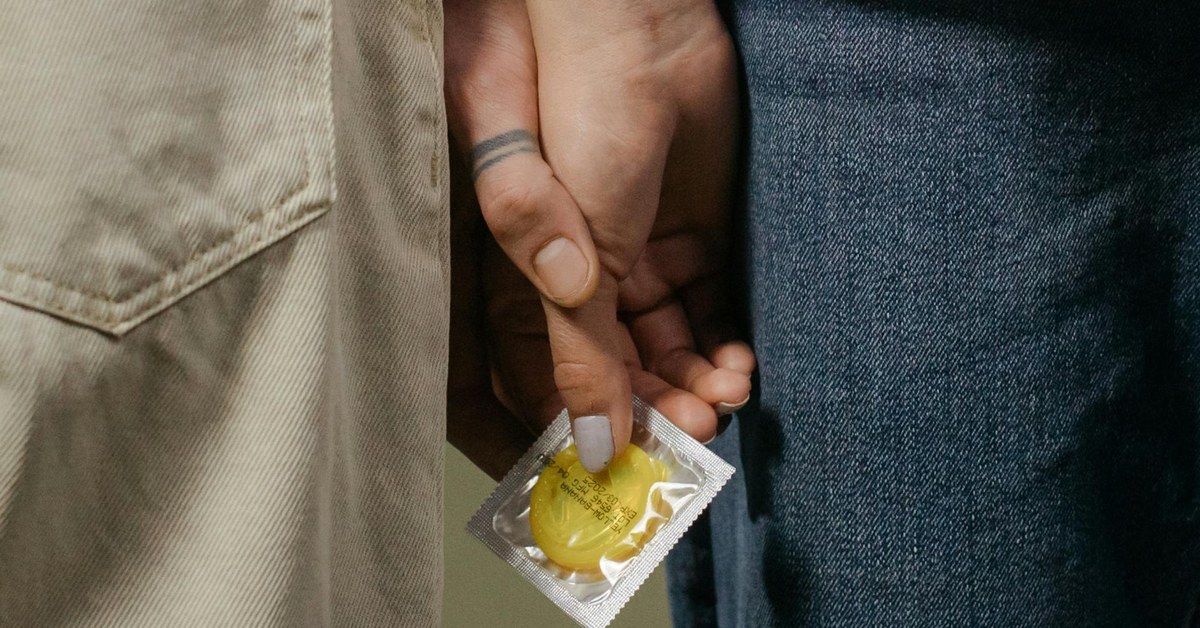
The most effective way to reduce the risk of STI transmission is consistent use of barrier methods during sexual activity.
External condoms (commonly called male condoms) are the most widely available and most evidence-supported barrier method. Used consistently and correctly, they significantly reduce the risk of transmission of most STIs including HIV, as well as providing contraception. They are not perfect, but they are dramatically more protective than no barrier at all.
Internal condoms (commonly called female condoms) provide similar protection and can be used by any person regardless of gender, as they can be inserted into the vagina or anus.
Dental dams, thin sheets of latex or polyurethane, provide barrier protection during oral sex performed on a vulva or anus. They are less widely used but provide meaningful protection.
For people who are at higher risk of HIV exposure, Pre-Exposure Prophylaxis (PrEP) is a highly effective prevention medication that, taken consistently, reduces the risk of acquiring HIV from sex by approximately 99 percent. It is available through sexual health clinics and is free or subsidised in many countries for people who meet the criteria for it.
Contraception: Protecting Against Pregnancy
Contraception is a separate but related consideration. Many methods of contraception provide no protection against STIs (hormonal contraception, IUDs, sterilisation), while barrier methods provide both. Using a hormonal or long-acting method of contraception alongside condoms provides protection against both pregnancy and STIs.
The range of contraceptive options available globally varies, but most countries with developed healthcare systems offer combinations of the following: the combined pill (oestrogen and progestogen), the progestogen-only pill, the contraceptive patch, the contraceptive ring, the contraceptive injection, the implant (a small rod inserted under the skin of the upper arm that provides several years of protection), the hormonal IUS (Mirena and similar), the copper IUD (a non-hormonal option), and emergency contraception (the morning-after pill, effective up to three days after unprotected sex, or a copper IUD, effective up to five days after).
The best method of contraception is the one that you will use consistently and correctly. Discussing your options with a healthcare provider who can take your individual health history into account helps identify what will work best for you.
STI Testing: Why, When, and How
Regular STI testing is a normal part of looking after your sexual health. It is not something to be embarrassed about or to delay. Testing is how you know your status, protect partners, and catch treatable conditions before they cause complications.
When you should test: after unprotected sex with a new partner, after any barrier failure (torn condom), if you have symptoms such as unusual discharge, pain, or sores in the genital area, and as a matter of routine if you have multiple partners or new partners. Many sexual health guidelines recommend at least annual testing for sexually active people under 25, and more frequent testing for those with more frequent partner changes.
How to test: sexual health clinics (often called GUM clinics in the UK), GP practices, university health services, and in many countries home testing kits are available free or at low cost. Testing typically involves a combination of urine samples, swabs, and blood tests depending on what is being tested for. The process is usually quick and straightforward, and staff at sexual health services are trained to provide care without judgement.
Testing positive for an STI is manageable. It does not reflect your character. It means you seek treatment, inform partners who may have been exposed (services at sexual health clinics can help with this anonymously if needed), and continue to look after your health.
Talking to Partners About Sexual Health
Conversations about sexual health with partners are a normal part of sexually active life, even if they feel awkward at first. Being able to discuss contraception, testing, and boundaries openly is a marker of a respectful relationship and a practical necessity for protecting both people's health.
It is reasonable and appropriate to ask a new partner about their testing history and to share your own. It is reasonable to insist on barrier methods, to decline sexual activity you are not comfortable with, and to change your mind about any activity at any point. A partner who reacts to these discussions with pressure, manipulation, or anger is demonstrating a significant red flag about how they relate to your autonomy and health.
Accessing Sexual Health Services
Sexual health services are available in most countries, though the nature and accessibility of those services varies considerably. In the UK, GUM clinics provide free, confidential STI testing and treatment, contraception advice, and PrEP without referral. Many universities provide sexual health services or referral pathways. Online testing services, particularly for chlamydia, are available in many countries as free postal kits.
If you are not sure what services are available in your area, a web search for sexual health clinic plus your city or region is a reliable starting point. GP practices can also provide referrals and, in many countries, can carry out some sexual health services directly.
Everything you discuss with sexual health services is confidential. Healthcare providers in this context are there specifically to provide non-judgemental care and information. If you feel that a service is not providing the support you need, you have the right to seek care elsewhere.
Sexual Health and Mental Wellbeing
Sexual health and mental health are closely interconnected. Anxiety about sexual health, guilt or shame around sexual choices, and the aftermath of unwanted sexual experiences can all significantly affect mental wellbeing. Conversely, mental health difficulties can affect sexual health through their impact on decision-making, relationship quality, and self-care.
If your sexual health concerns or experiences are affecting your mental wellbeing, or if you are struggling with aspects of your sexuality or sexual identity, seeking support from a healthcare provider, counsellor, or specialist organisation is an appropriate response. Sexual health is not a topic that should be managed in silence or with shame. It is an aspect of your health that deserves the same attention and care as any other.