Helping Shy and Anxious Children Navigate Social Media
Shy and socially anxious young people face specific challenges on social media that can reinforce rather than relieve their anxiety. This guide explains the patterns to watch for and the approaches that genuinely help.
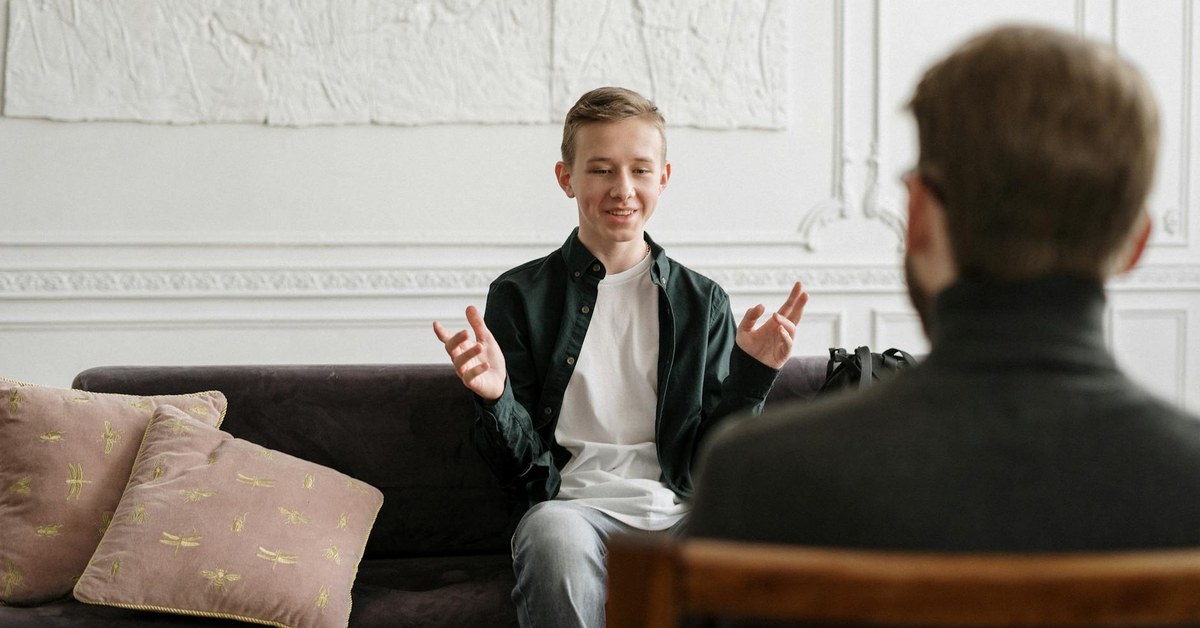

Helping Shy and Anxious Children Navigate Social Media
“Shy and socially anxious young people face specific challenges on social media that can reinforce rather than relieve their anxiety. This guide explains the patterns to watch for and the approaches that genuinely help.”
Social Anxiety and Social Media: A Complex Relationship
Social anxiety disorder affects approximately 7 percent of people at some point in their lives, with onset typically in mid-adolescence. Even below the threshold of clinical disorder, a much larger proportion of teenagers experience significant shyness and social anxiety that affects their daily social functioning. For these young people, social media is both a potential source of relief from the demands of face-to-face social interaction and a potential amplifier of the anxiety itself.
Understanding the specific ways in which social media interacts with social anxiety, including both the genuine benefits and the problematic patterns, allows families to provide more targeted support than generic advice about screen time or social media use.
Why Social Media Can Feel Easier
For shy and socially anxious young people, online communication offers genuine advantages over face-to-face interaction. The ability to compose and edit messages before sending removes the real-time performance pressure of in-person conversation. The absence of immediate physical feedback, including facial expressions and body language that anxious people often misinterpret as negative, reduces the social threat signals that trigger anxiety. The ability to disconnect when overwhelmed provides a form of control over social exposure that is not available in person.
For teenagers who struggle significantly with in-person social interaction, online communication may provide their most comfortable and successful social experiences. Online friendships can be genuine and valuable, and dismissing them as less real than offline relationships is unhelpful and inaccurate. The connection to others who share specific interests, the opportunity to develop social confidence in a lower-stakes environment, and the communities that online spaces provide for young people who feel different from their offline peer group, are genuine benefits.
The Problematic Patterns
Despite these benefits, several specific patterns can develop in anxious teenagers' social media use that reinforce rather than reduce anxiety over time.
Reassurance seeking is one of the most common and concerning patterns. Social anxiety is characterised by fear of negative evaluation by others, and social media provides an almost limitless supply of reassurance in the form of likes, positive comments, and follower counts. However, research consistently shows that reassurance seeking, while providing short-term relief, maintains and reinforces anxiety over the long term: the relief is temporary, and the underlying belief that one is not adequate without external validation is strengthened rather than challenged.
Social comparison on social media is particularly difficult for socially anxious teenagers. Young people who already believe they are less socially successful than others are given continuous evidence, curated and distorted as it is, that seems to confirm this belief. Seeing others apparently having the social experiences they lack intensifies both the anxiety and the sense of social inadequacy.
Avoidance of face-to-face interaction in favour of online communication is a natural tendency for anxious young people, but one that maintains the anxiety rather than reducing it. Anxiety is reduced in the long term through gradual, supported exposure to feared social situations, not through avoidance. Young people who use social media primarily to avoid the social interactions that cause anxiety may be gaining short-term comfort at the cost of the longer-term development of social confidence.
Checking and monitoring behaviour, including repeatedly checking whether messages have been read, how many likes a post has received, and whether someone's online status indicates they are ignoring you, is a form of safety behaviour that temporarily reduces anxiety while maintaining the underlying sensitivity to social evaluation.
What Families Can Do
Families supporting shy and anxious young people in navigating social media can take several useful approaches. Understanding the specific functions that social media is serving for your teenager, whether it is a genuine source of social connection, a reassurance-seeking environment, or a way of avoiding face-to-face interaction, helps identify what kind of support would be most useful.
Avoiding removing social media as an anxiety management measure unless under professional guidance, as this can increase anxiety in the short term without addressing the underlying difficulties. Instead, work alongside a young person to gradually build both their offline social confidence and their capacity to tolerate the uncertainty that social media involves without excessive checking or reassurance seeking.
Cognitive behavioural therapy (CBT) has a very strong evidence base for social anxiety and can be adapted to address the specific ways social media interacts with anxiety for an individual young person. A therapist experienced in adolescent social anxiety can help a young person understand the patterns in their social media use and develop more helpful approaches. For teenagers whose anxiety is significantly impairing their daily functioning, accessing this support is the most useful thing a family can do.
Framing social confidence as a skill that develops with practice, rather than a fixed personality trait, is more helpful than reassurance that they are fine as they are. Young people who believe they can become more confident through experience and practice are more likely to engage with the gradual exposure that builds genuine social competence, both online and offline.