Sibling Conflict and Safety: When Arguments Become a Concern
Sibling conflict is normal, but some conflict patterns cross into bullying or abuse. This guide helps parents understand the difference, manage sibling relationships effectively, and know when to seek help.

Sibling Conflict and Safety: When Arguments Become a Concern
“Sibling conflict is normal, but some conflict patterns cross into bullying or abuse. This guide helps parents understand the difference, manage sibling relationships effectively, and know when to seek help.”
Sibling Conflict: Normal or Concerning?
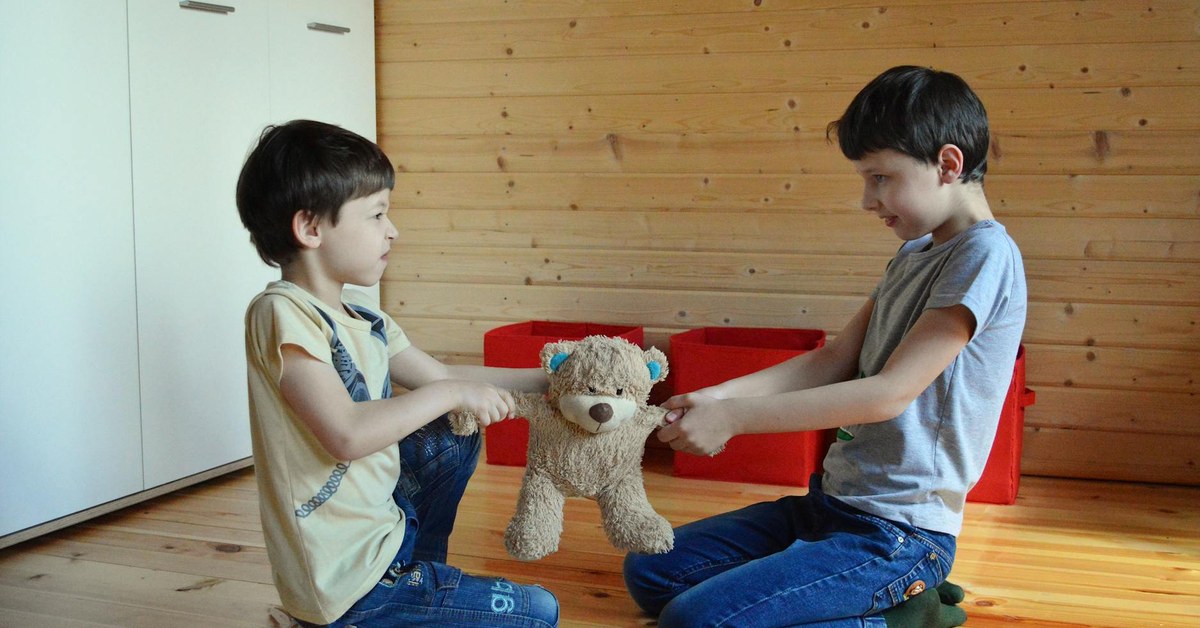
Conflict between siblings is one of the most universal features of family life. Research suggests that siblings in the average household have some form of conflict every 10 to 15 minutes during the time they spend together. Most of this conflict, the arguments over toys, remote controls, bathroom time, and perceived fairness, is entirely normal and even developmentally valuable. Through sibling conflict, children learn to negotiate, compromise, manage frustration, and repair relationships after disagreement.
However, not all sibling conflict is equal. There is a meaningful and important distinction between the ordinary friction of sharing a home with a sibling and patterns of behaviour that constitute sibling bullying or, in more serious cases, sibling abuse. These more serious patterns cause genuine harm and require intervention from parents, and in some cases from professionals.
This guide helps parents understand the spectrum of sibling conflict, identify when behaviour warrants concern, respond effectively to both ordinary conflict and more serious patterns, and know when professional support is needed.
Normal Sibling Rivalry vs. Bullying vs. Abuse
Normal Sibling Rivalry
Normal sibling conflict is characterised by:
- Both siblings participating and sometimes initiating
- The power balance shifting between siblings over time
- Conflict that resolves, with siblings able to return to positive interaction
- A relationship that also contains warmth, affection, and mutual support
- Arguments that are proportionate to the trigger
This level of conflict does not require parental intervention beyond setting expectations and occasionally helping children develop resolution skills.
Sibling Bullying
Sibling bullying is a sustained pattern in which one sibling repeatedly and deliberately causes harm to another, with a consistent power imbalance. Signs that conflict has moved into bullying territory include:
- One sibling is consistently the aggressor and the other consistently the target
- The behaviour is repeated and deliberate, not a response to a specific disagreement
- The target sibling shows signs of distress: anxiety, depression, avoidance, or regression
- The behaviour includes name-calling, humiliation, deliberate exclusion, or intimidation
- The target sibling is afraid of the aggressor sibling
Sibling bullying is more common than many parents recognise, and its effects can be as serious as peer bullying. Research shows that sibling bullying is associated with depression, anxiety, self-harm, and lower self-esteem in the target child.
Sibling Abuse
Sibling abuse, including physical and sexual abuse, is the most serious end of the spectrum and requires immediate professional intervention. It is more common than statistics suggest, partly because it is less likely to be reported than other forms of abuse.
Physical sibling abuse involves physical violence that goes beyond ordinary rough play: assault, injury-causing behaviour, or sustained physical intimidation. Sexual sibling abuse involves sexual contact between siblings where there is a significant age gap, a power imbalance, coercion, or lack of genuine consent. Healthy sexual curiosity between children of similar ages is normal, but coercive, secretive, or distressing sexual contact between siblings is a form of sexual abuse.
If you suspect sibling abuse of either type, this is a child protection matter that should be referred to the appropriate authorities as well as addressed within the family.
Physical Safety During Sibling Conflict
Even ordinary sibling conflict can occasionally become physically rough in ways that create safety risks. Key safety practices include:
- Intervene immediately if conflict becomes physically violent, regardless of who started it or why
- Separate children who are physically hurting each other and address it when everyone is calmer
- Establish and consistently enforce a clear rule that physical violence, hitting, biting, scratching, or kicking, is never acceptable
- Create physical space: children who are sharing very small spaces have more conflict. When possible, ensure children have their own spaces they can retreat to
- Be alert to rough play that escalates: what begins as wrestling can sometimes tip into genuine aggression, and children may not always be able to identify that transition themselves
Responding to Everyday Sibling Conflict
When to Intervene and When to Step Back
One of the most common parenting mistakes around sibling conflict is intervening too frequently. When parents consistently step in to resolve sibling disputes, children do not develop the conflict resolution skills they need. At the same time, leaving children to resolve genuinely unsafe or distressing conflict without support is also a mistake.
A useful rule of thumb: intervene when someone is being physically hurt, when the distress is severe, when the conflict is going around in circles with no resolution in sight, or when there is a significant power imbalance. Otherwise, offering minimal intervention and allowing children to work it out, perhaps with a verbal prompt to take turns or use their words, is often more effective.
Avoid Taking Sides
When parents consistently take one child's side in sibling conflicts, this typically escalates the rivalry rather than resolving it. The child who is consistently favoured may become more aggressive, knowing they will be protected. The child who is consistently blamed may become more resentful or may learn that there is no point in appealing to parents for fairness.
Where possible, acknowledge each child's perspective: you are both upset right now. Let us hear from both of you.
Problem-Solve Together
For recurring conflicts, such as arguments over shared toys, TV time, or chores, involve the siblings in generating solutions. A solution they have had a hand in creating is more likely to be respected than one imposed by an adult.
Catch Them Getting Along
Parental attention often flows disproportionately to conflict rather than cooperation. Noticing and specifically acknowledging when siblings are kind to each other, play cooperatively, or help each other, reinforces the positive relationship. Over time, this can shift the pattern of sibling interaction.
Addressing Sibling Bullying
When conflict has moved into bullying territory, more deliberate intervention is needed.
- Take the target child's distress seriously and do not dismiss it as ordinary sibling fighting
- Have separate conversations with each child. Ask the target child how they feel and what specifically happens. Ask the aggressor child for their perspective, without letting them diminish the impact on their sibling.
- Make it clear that bullying behaviour is not acceptable and will have consistent consequences
- Consider whether there are underlying reasons for the bullying sibling's behaviour, including jealousy, stress, or their own experiences of being bullied outside the home
- Build in protected time for the target child that is free from the aggressor sibling: activities, spaces, or relationships that are theirs alone
- If the pattern does not improve with consistent parental intervention, seek support from a family therapist
When to Seek Professional Help
Professional support should be sought when:
- Sibling conflict has reached the level of sustained bullying that is affecting one child's mental health or school functioning
- You suspect sibling physical or sexual abuse
- The sibling relationship is significantly affecting family functioning and your own interventions are not improving the situation
- One child is expressing significant fear of a sibling
- You are concerned about a sibling's behaviour in other areas that may require assessment
Family therapy can be very effective in addressing sibling relationship difficulties and can also support parents in developing consistent, effective responses to conflict. A child psychologist or CAMHS referral may be appropriate if one child is showing significant emotional or behavioural difficulties associated with the sibling relationship.
Supporting Siblings Through Family Transitions
Sibling conflict often intensifies during periods of family stress: parental separation, bereavement, a house move, or the arrival of a new sibling. Being aware of this pattern and providing additional support during these periods, including maintaining routines, giving each child individual attention, and addressing the transition directly in age-appropriate terms, can reduce conflict and help the family navigate change more smoothly.
Siblings who have difficult relationships in childhood are often close as adults. The relationship has a long trajectory, and the skills they develop navigating it, conflict, repair, compromise, and loyalty, are life skills that serve them well beyond the family home.