Skin Safety: How to Recognise Moles
Melanoma is one of the most common cancers in young adults, and early detection dramatically improves survival rates. This guide explains how to check your skin effectively, what to look for, and when to see a doctor.
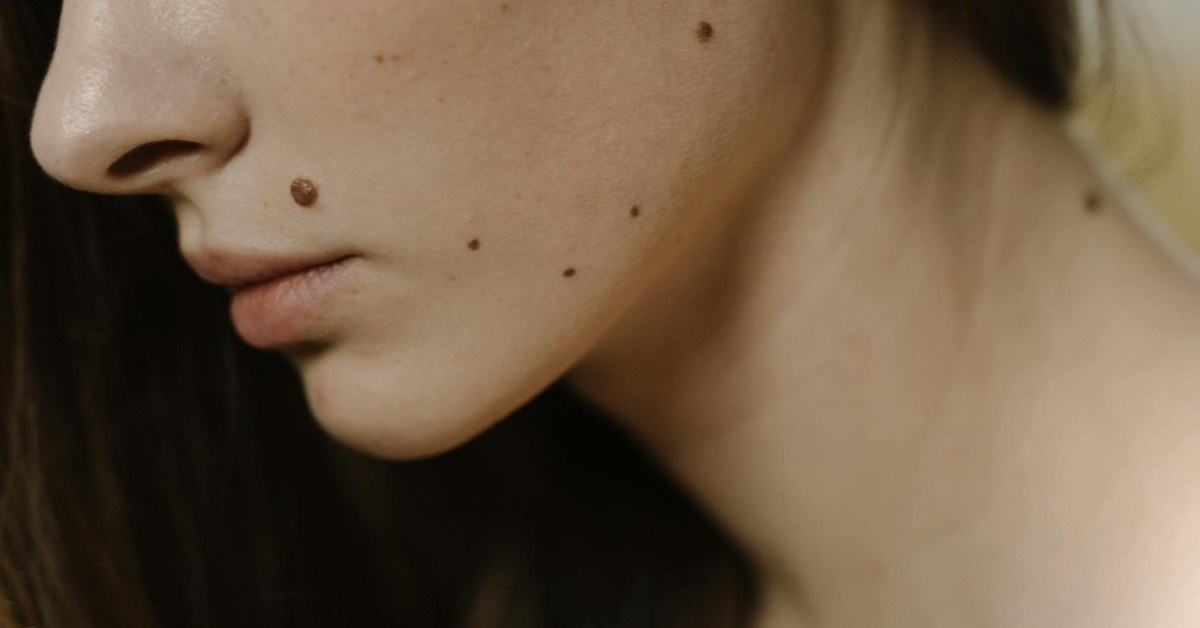

Skin Safety: How to Recognise Moles
“Melanoma is one of the most common cancers in young adults, and early detection dramatically improves survival rates. This guide explains how to check your skin effectively, what to look for, and when to see a doctor.”
Why Skin Cancer Awareness Matters at Every Age
The UK has one of the highest rates of melanoma in Europe, and the incidence has been rising for decades. Melanoma is not only a condition of old age: it is one of the most common cancers in people aged 15 to 34, and it is highly curable when detected early. The five-year survival rate for melanoma caught at stage one is over 98 per cent; caught at stage four, it falls to below 20 per cent. This makes early detection genuinely life-saving in a direct and quantifiable way.
The primary environmental cause of melanoma is UV radiation from sunlight and sunbeds. Cumulative UV exposure over a lifetime matters, and the skin damage that leads to cancer often occurs during childhood and adolescence before the consequences are apparent. Teaching sun protection habits from childhood and understanding how to monitor the skin for changes are among the highest-impact health habits available.
Who Is at Higher Risk
Several factors increase melanoma risk. Fair skin, light eyes, and red or fair hair are associated with higher risk because of lower melanin levels that provide less natural UV protection. A personal or family history of melanoma significantly elevates risk. A large number of moles (more than fifty) increases risk because moles represent previous UV damage and sites of potential abnormal cell development. A history of sunburn, particularly severe blistering sunburn in childhood, is strongly associated with increased lifetime risk. Regular use of sunbeds dramatically increases risk and is responsible for a significant proportion of melanomas in people under 35.
People with darker skin tones have lower melanoma risk because of higher melanin levels, but this does not mean zero risk. Melanoma in people with darker skin tones is more likely to develop in less commonly checked areas, such as the palms, soles of feet, under the nails, and mucous membranes, and is diagnosed at a later stage more often, partly because awareness of risk is lower. Skin checking guidance applies across all skin tones.
The ABCDE Rule: What to Look For
The ABCDE rule provides a practical framework for assessing whether a mole warrants medical attention. It applies to any spot, mole, or growth on the skin.
Asymmetry: a normal mole is broadly symmetrical; if you drew a line through the middle, both halves would look similar. An asymmetrical mole, where one half is significantly different in shape from the other, warrants attention.
Border: normal moles have clear, defined borders. Irregular, ragged, notched, or blurred borders are a warning sign.
Colour: normal moles are a uniform colour throughout. Variation in colour, including shades of brown, black, red, white, or blue within a single mole, is concerning.
Diameter: moles larger than 6 millimetres across (roughly the diameter of a pencil eraser) warrant closer attention, though melanoma can be smaller.
Evolving: any mole that is changing in size, shape, colour, or texture, or that develops new symptoms such as itching, bleeding, or crusting, should be assessed by a GP. Change over time is one of the most important warning signs.
In addition to the ABCDE criteria, any spot that looks significantly different from your other moles (the "ugly duckling" sign) is worth having assessed, as is any new spot that appears after the age of forty.
How to Check Your Skin
Monthly skin self-examination is recommended for people at higher risk and is worthwhile for everyone. Perform the check in good light, after a shower, using a full-length mirror and a hand mirror for areas you cannot see directly. Check your entire body systematically: face and scalp (use a comb to part hair), neck and chest, arms, hands and fingers and nails, torso front and back, buttocks, genitals, legs, feet, between toes and toenails. Ask a partner or trusted person to check your back and scalp if this is difficult to do alone.
Photograph any moles that concern you and use the photos to track changes over the following months. Many dermatology clinics offer photography services for this purpose, and several smartphone apps are available (though these should not replace professional assessment for concerning lesions).
When to See a GP
See a GP promptly if any mole or skin lesion: is changing in any way; bleeds without injury; itches persistently; has any of the ABCDE characteristics; or simply concerns you. You can request an urgent referral to a dermatologist under the NHS two-week-wait pathway for suspected skin cancer, which means you should be seen within two weeks if there is clinical concern.
Do not delay making an appointment because you are worried about wasting the doctor's time. GPs routinely assess moles and are accustomed to seeing both normal and concerning lesions. If a mole turns out to be benign, the appointment was still the right thing to do. If it turns out to be malignant, early attendance is the decision that made a difference.
Sunbeds increase melanoma risk by 59 per cent when used before age 35, according to Cancer Research UK. They are not safe in any dose and are banned for under-18s in the UK. For anyone concerned about their skin tone, self-tanning products provide the desired appearance without any of the cancer risk.