The Sleep and Mental Health Connection
The link between sleep and mental health is one of the most powerful, yet most overlooked, factors in our overall wellbeing. Understanding how sleep shapes your mind, at every stage of life, could be the most important thing you do for your mental health this year.
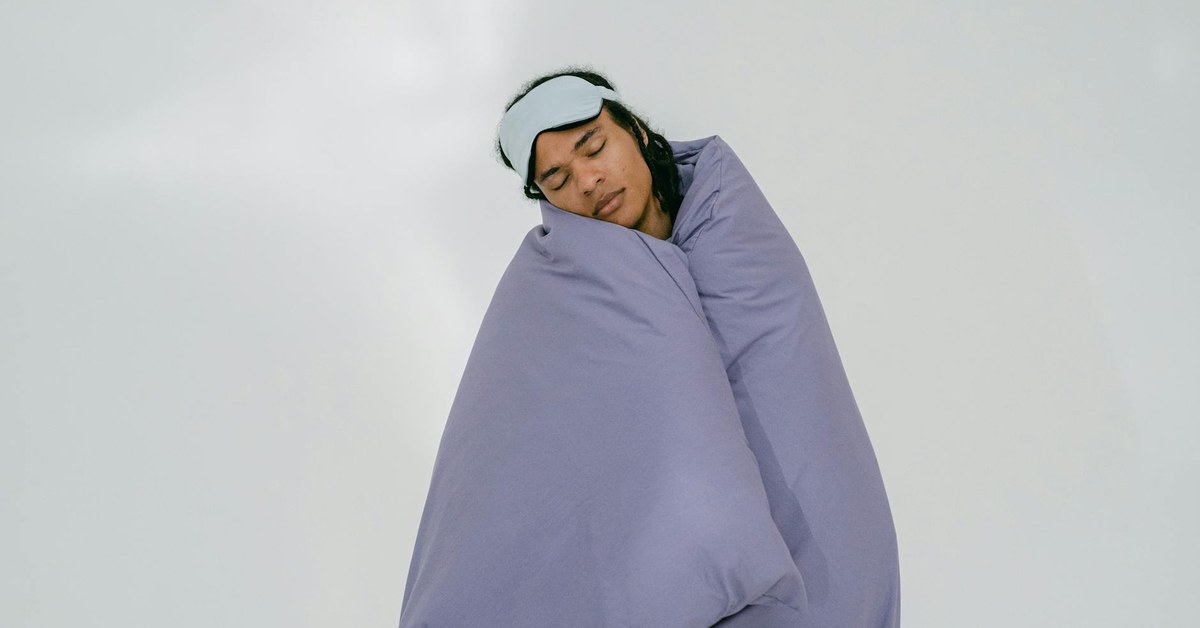

The Sleep and Mental Health Connection
“The link between sleep and mental health is one of the most powerful, yet most overlooked, factors in our overall wellbeing. Understanding how sleep shapes your mind, at every stage of life, could be the most important thing you do for your mental health this year.”
The Sleep and Mental Health Connection: What Every Age Group Needs to Know
The sleep and mental health connection is not simply a matter of feeling tired after a rough night. It is a profound, bidirectional relationship that shapes how we think, feel, regulate our emotions, and engage with the world around us. Research from the Mental Health Foundation found that 67% of UK adults report that poor sleep worsens their mental health, yet millions of people continue to treat sleep as an afterthought. Whether you are a parent trying to understand your child's moods, a teenager struggling to focus at school, or an older adult finding that sleep has become more elusive with age, the science is clear: sleep is not a luxury. It is a biological necessity for a healthy mind.
Why Sleep and Mental Health Are Inseparable
For decades, healthcare professionals tended to view poor sleep as a symptom of mental health difficulties rather than a cause. That understanding has shifted dramatically. Contemporary neuroscience now confirms that sleep and mental health exist in a two-way relationship, each capable of disrupting or reinforcing the other.
During sleep, the brain is anything but idle. It cycles through distinct stages, including light sleep, deep slow-wave sleep, and rapid eye movement (REM) sleep. Each stage performs a different function. Deep sleep consolidates memories and repairs the body. REM sleep, the stage most associated with vivid dreaming, plays a central role in emotional processing. During REM sleep, the brain effectively replays emotionally charged experiences but in a neurochemical environment with reduced levels of noradrenaline, the stress-related neurotransmitter. This process allows the brain to file away difficult experiences without the full emotional charge they carried when they first occurred.
When we do not get enough REM sleep, this emotional processing is interrupted. The result is not just tiredness. It is heightened reactivity, reduced resilience, and a diminished ability to regulate how we feel. A landmark study published in the journal Current Biology found that people deprived of adequate sleep showed a 60% increase in emotional reactivity in the amygdala, the brain's threat-detection centre. In practical terms, this means that sleep deprivation does not just make us feel worse. It fundamentally changes how our brains respond to the world.
The Science of Sleep Deprivation and Mental Health Disorders
The relationship between insufficient sleep and diagnosable mental health conditions is well established across a significant body of research. Insomnia is present in roughly 75% of people with depression and is now understood to be both a symptom and a risk factor for the condition. People with chronic insomnia are ten times more likely to develop clinical depression and seventeen times more likely to develop clinically significant anxiety than those who sleep well, according to a large-scale study published in Sleep journal.
For those living with anxiety disorders, the relationship is equally telling. Anxiety disrupts sleep through hyperarousal, the brain's inability to switch off its threat-monitoring systems. Poor sleep then amplifies anxiety the following day, creating a cycle that can be difficult to interrupt without intentional intervention. Similarly, those living with bipolar disorder often experience disrupted sleep as an early warning sign of mood episodes, and stabilising sleep is now considered a key component of effective treatment.
Beyond the clinical picture, even subclinical sleep deprivation, that is, consistently sleeping less than the recommended amount without meeting the threshold for a formal sleep disorder, has measurable effects. A University of Oxford study found that treating insomnia in people with depression and anxiety led to significant improvements in both conditions, with insomnia treatment outperforming standard therapy approaches when used alone. This finding has profound implications for how we prioritise sleep in everyday life.
The Sleep and Mental Health Connection Across the Lifespan
Sleep needs, sleep architecture, and the mental health consequences of poor sleep all differ across age groups. Understanding what healthy sleep looks like at different life stages is essential for making meaningful changes.
Children (Ages 3 to 12): Foundations for Emotional Regulation
Children need substantially more sleep than adults, and the consequences of shortfalls are more immediate and more visible. The NHS recommends that children aged three to five sleep between ten and thirteen hours per day, including naps. Children aged six to twelve need between nine and twelve hours of sleep each night.
Sleep is not passive for developing brains. It is when critical neural consolidation occurs, when the skills, language, and social understanding practised during the day become embedded. Chronically sleep-deprived children frequently present with symptoms that closely resemble attention deficit hyperactivity disorder (ADHD), including impulsivity, difficulty concentrating, and emotional outbursts. A study published in Paediatrics found that children with sleep-disordered breathing were significantly more likely to show behavioural problems, anxiety, and depression by the time they reached school age.
Practical sleep hygiene for children:
Consistency is the single most powerful tool for children's sleep. A predictable bedtime routine, beginning 30 to 45 minutes before the target sleep time, signals to the nervous system that rest is approaching. This might include a bath, quiet reading, and gentle conversation. Screens should be removed from the bedroom entirely; blue light from devices suppresses melatonin production, and the stimulating content of apps and games heightens arousal at exactly the moment the brain needs to wind down. The bedroom should be cool (around 16 to 18 degrees Celsius), dark, and quiet. Where possible, the bed should be associated exclusively with sleep rather than play or homework.
Teenagers (Ages 13 to 18): Navigating the Biology of Late Nights
Teenagers occupy a uniquely challenging position when it comes to sleep. During puberty, there is a genuine biological shift in the timing of melatonin release. The hormone that signals the body to sleep is released later in the evening for adolescents than it is for children or adults, making it genuinely difficult for most teenagers to fall asleep before 11pm. Yet school start times, extracurricular activities, and social pressures often mean that teenagers must wake far earlier than their biology would prefer.
The NHS and the American Academy of Sleep Medicine both recommend that teenagers aged 13 to 18 sleep between eight and ten hours each night. Research suggests that fewer than one in five UK teenagers currently meets this threshold. The consequences are significant. Sleep deprivation in adolescence is linked to increased rates of depression, anxiety, self-harm, risk-taking behaviour, and reduced academic performance. A study from the University of Houston found that teenagers who slept fewer than eight hours a night were significantly more likely to have seriously considered suicide compared to those who slept eight hours or more.
Practical sleep hygiene for teenagers:
Acknowledging the biological shift is the first step. Teenagers are not simply being lazy when they struggle to sleep early; their circadian rhythms are genuinely set later. Where possible, allowing a slightly later bedtime (and later wake time during weekends or holidays) can reduce sleep debt without completely disrupting the body clock. Caffeine consumption, which is widespread among teenagers, should be avoided after midday as it has a half-life of approximately five to six hours. Social media use in the hour before bed is strongly associated with delayed sleep onset and poorer sleep quality; creating a phone-free wind-down period can make a meaningful difference. Encouraging teenagers to understand the science behind their own sleep can be more effective than simply issuing rules.
Adults (Ages 19 to 64): The Pressures of Modern Life
The NHS recommends that adults aim for seven to nine hours of sleep each night. Yet work demands, caregiving responsibilities, financial stress, and the ever-present pull of screens and social media have created what sleep researchers call a "sleep crisis" in the adult population. According to Nuffield Health's 2023 Health Tracker, 74% of UK adults reported feeling stressed at some point during the previous year, and stress is one of the most common causes of disrupted sleep.
For adults, the mental health consequences of chronic sleep deprivation accumulate gradually and insidiously. Mood becomes harder to regulate. Decision-making suffers. Empathy, patience, and the capacity for nuanced thinking all decline. Over time, insufficient sleep is associated with higher rates of depression, generalised anxiety disorder, and even cognitive decline. A major study published in Nature Communications in 2021 found that consistently sleeping six hours or fewer per night in midlife was associated with a 30% increased risk of developing dementia in later life.
Practical sleep hygiene for adults:
Adults often benefit most from addressing the lifestyle factors that erode sleep quality over time. Alcohol, widely used as a sleep aid, actually suppresses REM sleep and causes fragmented sleep in the second half of the night; reducing or eliminating alcohol in the evening is one of the most impactful changes many adults can make. Regular physical exercise significantly improves sleep quality, though vigorous exercise within two hours of bedtime can delay sleep onset for some people. A consistent wake time, even on weekends, anchors the circadian rhythm more effectively than any supplement or sleep aid. Cognitive behavioural therapy for insomnia (CBT-I) is now recognised by NICE as the most effective treatment for chronic insomnia in adults and is available through some NHS services and online platforms.
Older Adults (Ages 65 and Over): Understanding Age-Related Changes
Sleep changes with age, and these changes are normal, though they are frequently misunderstood. Older adults tend to experience a shift in sleep architecture: less time in deep slow-wave sleep, more time in lighter sleep stages, and an earlier timing of the sleep-wake cycle (the opposite of the teenage shift). The result is often earlier waking times, more frequent nighttime awakenings, and a perception that sleep is less restorative.
While older adults do not necessarily need less sleep (seven to eight hours remains the general recommendation from the NHS), they may find it harder to obtain consolidated, uninterrupted sleep. This matters significantly for mental health. Sleep disruption in older adults is closely associated with depression, cognitive decline, and reduced quality of life. Loneliness and bereavement, both more common in older age, disrupt sleep and are themselves compounded by poor rest.
Practical sleep hygiene for older adults:
Bright light exposure in the morning helps to anchor the circadian rhythm and counteract the tendency toward excessively early wake times. Napping, when timed correctly (no later than early afternoon and kept to 20 to 30 minutes), can supplement nighttime sleep without undermining it. Many commonly prescribed medications, including some antidepressants, beta-blockers, and diuretics, affect sleep quality; a conversation with a GP about medication timing or alternatives may be worthwhile. Regular social engagement and physical activity are among the strongest protective factors for sleep quality in older age. Where pain or discomfort is disrupting sleep, addressing the underlying physical cause should be a priority rather than simply accepting poor sleep as an inevitable feature of ageing.
Recognising When Poor Sleep Becomes a Mental Health Concern
There is an important distinction between occasional poor sleep, which affects everyone, and chronic sleep disruption that is beginning to affect daily functioning and emotional wellbeing. Signs that poor sleep may be intersecting with a mental health difficulty include persistent low mood that worsens after nights of poor sleep, anxiety about sleep itself (sometimes called sleep anxiety or somniphobia), difficulty getting out of bed or functioning at work or school, increased irritability or emotional outbursts, and withdrawal from activities and relationships.
If sleep difficulties have persisted for more than three to four weeks and are affecting daily life, it is worth speaking with a GP. Keeping a simple sleep diary for one to two weeks before that appointment, noting bedtimes, wake times, nighttime awakenings, and daytime mood, can provide valuable information and help a healthcare professional understand the full picture.
Building a Sleep-Friendly Life: Principles That Work at Any Age
Across all age groups, several principles consistently emerge from the research as the most effective foundations for healthy sleep and, by extension, better mental health.
Consistency matters more than duration. Going to bed and waking at roughly the same time each day, including weekends, is the single most effective way to stabilise the circadian rhythm. Even one late night can disrupt sleep quality for the following two to three nights.
The bedroom environment shapes sleep quality. Temperature, light, and noise all have measurable effects on sleep. A cool, dark, quiet bedroom is not a preference; it is a physiological requirement for optimal sleep.
What we do in the hour before bed matters enormously. The transition from wakefulness to sleep requires a gradual reduction in arousal. Activities that stimulate the nervous system, including checking emails, watching intense television, scrolling social media, or having difficult conversations, can delay sleep onset by 30 minutes or more.
Daylight exposure anchors the body clock. Getting natural light exposure within the first hour of waking, even on cloudy UK mornings, is one of the most powerful cues the brain uses to set its internal clock. This single habit improves both sleep onset at night and mood throughout the day.
Seeking help is not a sign of failure. For those whose sleep difficulties are entrenched or who are experiencing significant mental health symptoms alongside poor sleep, professional support is available and effective. CBT-I, talking therapies, and in some cases medication can make a profound difference. Reaching out to a GP, a mental health professional, or a school counsellor is a sign of self-awareness, not weakness.
Conclusion: Sleep as an Act of Care for Your Mental Health
The sleep and mental health connection is one of the most well-supported relationships in all of health science, and yet it remains one of the most consistently undervalued. We live in a culture that frequently celebrates productivity over rest, treating sleep as time that could otherwise be spent on something more useful. The evidence tells a very different story. Protecting sleep, at every age and every stage of life, is not indulgence. It is one of the most direct and powerful investments we can make in our mental health, our resilience, and our capacity to live well. Understanding this connection is the first step. Building habits that honour it is the work of a lifetime, and it is work that is always worth doing.