Sleep and Teenagers: Why It Matters More Than You Think
Teenagers need more sleep than adults, yet most get far less than they need. The consequences extend well beyond tiredness, affecting mental health, academic performance, physical development, and safety. This guide explains the science and provides practical strategies for the whole family.
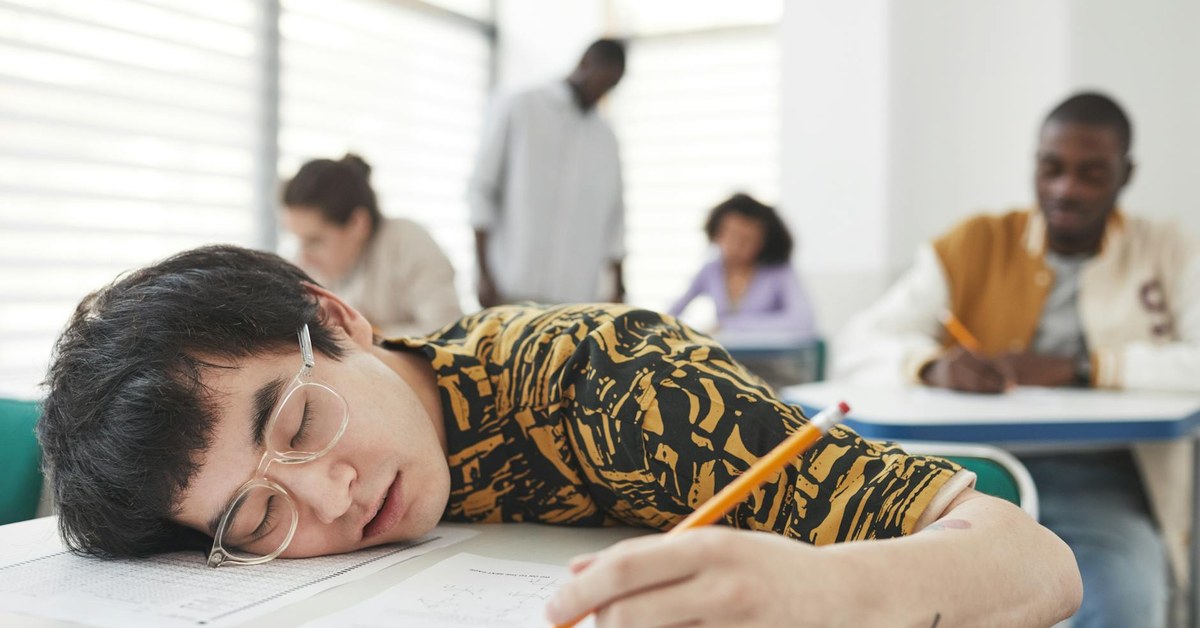

Sleep and Teenagers: Why It Matters More Than You Think
“Teenagers need more sleep than adults, yet most get far less than they need. The consequences extend well beyond tiredness, affecting mental health, academic performance, physical development, and safety. This guide explains the science and provides practical strategies for the whole family.”
The Sleep Crisis in Teenagers
Teenagers are in the middle of a sleep crisis. Research across many countries consistently finds that a large majority of adolescents are not getting enough sleep. The American Academy of Sleep Medicine recommends that teenagers aged 13 to 18 get between eight and ten hours of sleep per night. Studies in multiple countries find that most teenagers average six to seven hours, with a significant proportion averaging less than six.
This is not a trivial gap. Sleep deprivation in teenagers is associated with a remarkably broad range of negative outcomes, including depression, anxiety, poor academic performance, impaired decision-making, increased risk-taking behaviour, weakened immune function, obesity, and elevated risk of accidents. Understanding why teenagers are chronically sleep-deprived and what can be done about it matters for the health and wellbeing of young people worldwide.
Why Teenagers Need More Sleep Than Adults
Adolescence is a period of intense neurological development. The brain undergoes significant structural changes during the teenage years, and much of the consolidation and organisation of new learning and memories occurs during sleep. Teenagers are not simply smaller adults who happen to prefer staying up late. They have a genuine biological need for more sleep, and they experience a genuine biological shift in their circadian rhythm.
The circadian rhythm is the internal clock that regulates the sleep-wake cycle. During puberty, this clock shifts significantly later. Teenagers experience a biological delay in the timing of melatonin production (the hormone that triggers sleepiness) of approximately two hours compared to adults. This means that asking a teenager to feel sleepy at 10pm is, in biological terms, like asking an adult to feel sleepy at 8pm. Their body is simply not ready for sleep at that time.
This biological reality collides with early school start times in many education systems, creating a structural mismatch between teenagers' sleep needs and social schedules that results in chronic sleep deprivation across the population.
The Role of Technology
Biological delay explains why teenagers naturally want to stay up later, but technology amplifies and extends this tendency significantly. Several mechanisms are at work:
Blue light suppression of melatonin: Screens emit blue-spectrum light that suppresses melatonin production more effectively than other light sources. Using phones, tablets, or computers in the hour before bed delays sleep onset by up to 90 minutes in some studies.
Emotional and cognitive activation: Social media, gaming, and streaming content are stimulating. The emotional engagement and mental activation they produce are incompatible with the cognitive wind-down needed for sleep onset.
Social pressure and FOMO: Teenagers who know their peers are active on social media at midnight may feel they are missing important social activity if they go offline. Notification sounds and the compulsive checking of new content disrupt sleep onset and can cause multiple awakenings during the night.
Availability of content: Previous generations of teenagers who stayed up late still ran out of things to do. Smartphones provide effectively infinite entertainment, removing one of the natural limiters on late-night wakefulness.
What Happens When Teenagers Don't Get Enough Sleep
The consequences of chronic sleep deprivation in teenagers are severe and wide-ranging:
Mental health: The relationship between poor sleep and depression and anxiety in teenagers is bidirectional and robust. Sleep deprivation worsens mood regulation, increases emotional reactivity, and amplifies anxiety. Teenagers who sleep less than seven hours per night are significantly more likely to report symptoms of depression.
Academic performance: Sleep is essential for memory consolidation and learning. Teenagers who are chronically sleep-deprived retain less of what they learn, perform worse on tests, and have impaired concentration and attention. The irony is that teenagers who stay up late to study are often undermining the consolidation of what they studied.
Decision-making and impulse control: The prefrontal cortex, the brain region responsible for impulse control and risk assessment, is particularly sensitive to sleep deprivation. Sleep-deprived teenagers are more impulsive, more prone to risk-taking, and less able to make considered decisions.
Physical health: Growth hormone is primarily secreted during deep sleep. Chronic sleep deprivation in teenagers can affect physical development. Immune function is also significantly impaired by poor sleep.
Safety: Drowsy driving is a particular risk for older teenagers who drive. Fatigue-related accidents among young drivers are a significant public health concern.
Practical Strategies for Better Sleep
Keep devices out of the bedroom at night: This single structural change has stronger evidence than almost any other sleep intervention for teenagers. A household charging station in a common area, used consistently by all family members, removes the primary disruptor of teenage sleep without requiring ongoing willpower. Introduce this as a household rule rather than a punishment.
Consistent sleep and wake times: Regularity in sleep timing is one of the most important factors in sleep quality. Significantly different wake times on weekends (social jet lag) disrupt the circadian rhythm and worsen the adjustment to weekday schedules. Keeping weekend wake times within an hour or so of weekday wake times supports better sleep overall.
Wind-down routine: The brain needs a transition period between stimulating activity and sleep. A 30 to 60 minute wind-down period without screens, involving lower stimulation activities such as reading, light conversation, or calm music, significantly improves sleep onset.
Make the bedroom sleep-friendly: Cool temperature, darkness, and quiet support better sleep. Blackout curtains are particularly effective for teenagers who naturally want to sleep later and whose rooms may be subject to early morning light.
Limit caffeine in the afternoon and evening: Caffeine has a half-life of approximately five hours in most people. Caffeine consumed at 4pm is still half-active at 9pm. Many teenagers consume caffeine in energy drinks, coffee, and cola without considering its effect on sleep.
Talk about why sleep matters: Teenagers who understand the genuine impact of sleep on their mental health, academic performance, and physical wellbeing are more motivated to make changes. Framing sleep as a performance and health priority, rather than simply a parental preference, can be persuasive with older teenagers.
School Start Times
An important note for parents engaging with schools: there is a substantial body of evidence showing that later school start times for secondary school students produce significant improvements in attendance, academic performance, mental health, and physical health. Many countries and school systems have begun exploring or implementing later start times in response to this evidence. Parents who are aware of this research can engage with their child's school and local education authorities as advocates for change that would benefit all students.
Conclusion
Sleep is not a luxury or a sign of laziness. It is a biological necessity, and teenagers need more of it than their current schedules typically allow. The combination of biological factors, technology use, and early school start times has created a structural sleep deficit in teenagers that has serious consequences. Families that prioritise sleep, implement consistent boundaries around evening technology use, and maintain a home environment that supports good sleep are providing a genuine health intervention with wide-ranging benefits.