Sleep and Student Life: Why Rest Is Essential
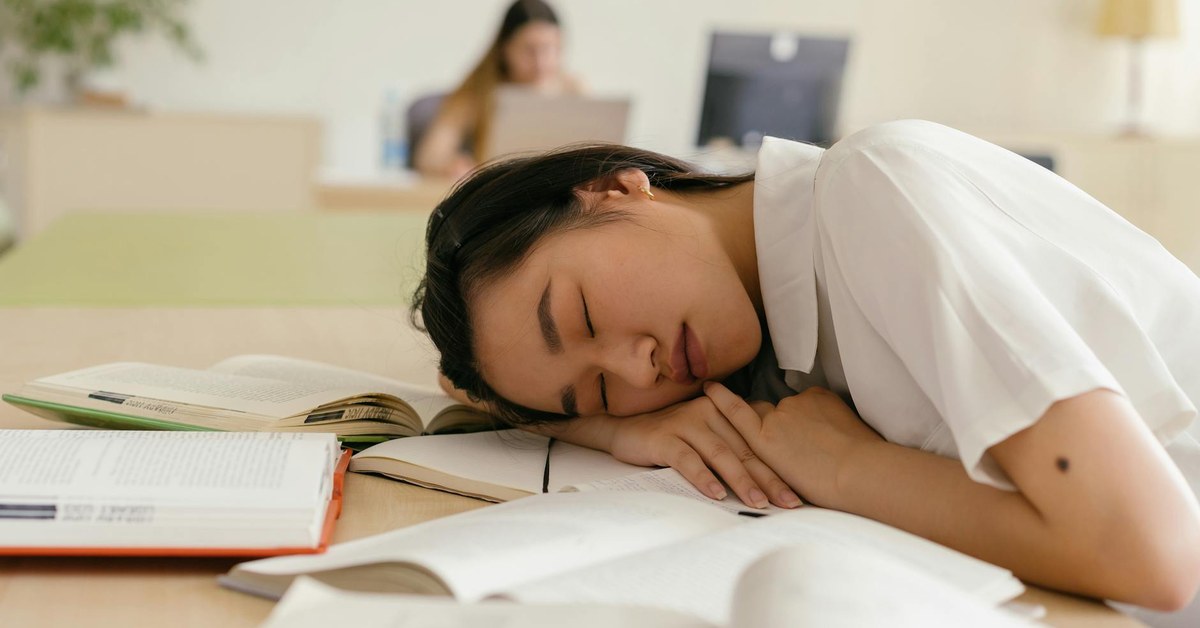
Poor sleep is one of the most common and most underestimated health problems facing university students. The effects go far beyond feeling tired and touch every aspect of physical and mental wellbeing.

Sleep and Student Life: Why Rest Is Essential
“Poor sleep is one of the most common and most underestimated health problems facing university students. The effects go far beyond feeling tired and touch every aspect of physical and mental wellbeing.”
Sleep Is Not a Luxury
In student culture, pulling all-nighters is sometimes worn as a badge of honour. Late nights, early mornings, and a chaotic relationship with sleep are often presented as just part of university life. But the science is unambiguous: sleep is not optional and it is not something that can be fully recovered through catch-up sessions at the weekend. Chronic sleep deprivation has serious consequences for physical health, mental health, academic performance, and personal safety.
Understanding what sleep does for you, what happens when you do not get enough, and how to improve your sleep habits are all practical and important skills for any young adult. This is not about being boring or missing out. It is about functioning at your best and protecting your health.
What Happens to Your Brain and Body During Sleep
Sleep is not simply a period of rest and inactivity. It is a highly active process during which your brain and body perform essential maintenance. During the deep stages of sleep, the brain consolidates memories, transferring information from short-term to long-term storage. This is why sleep after studying is directly beneficial for learning. Students who sleep after revising retain significantly more than those who stay awake.
During sleep, the brain also clears waste products through the glymphatic system, a process that is thought to be important in reducing the long-term risk of neurodegenerative conditions. Growth hormone is released during sleep, supporting tissue repair and immune function. The immune system is strengthened during sleep, which is why you are more susceptible to illness when sleep-deprived and why rest is a key component of recovery from illness.
Emotional regulation is also profoundly affected by sleep. The amygdala, the brain region associated with emotional responses, is significantly more reactive after sleep deprivation. People who are sleep-deprived show stronger emotional reactions to negative stimuli and are less able to regulate those reactions. This translates directly into increased stress, irritability, and difficulty managing the pressures of university life.
How Much Sleep Do Young Adults Need
The scientific consensus is that most adults, including university-age young adults, need between seven and nine hours of sleep per night for optimal health and function. Individual variation exists, and some people genuinely function well on slightly less, but the idea that you can train yourself to need only five or six hours is largely a myth. Most people who claim to function well on limited sleep are operating in a state of chronic impairment they have simply adapted to and no longer notice.
During adolescence and the early twenties, the circadian rhythm, the internal biological clock that governs sleep and wake cycles, naturally shifts later. This is a biological reality, not laziness. It is genuinely harder for young adults to fall asleep early and wake up early than it is for middle-aged adults. Understanding this can help you work with your biology rather than against it. If you have scheduling flexibility, allowing yourself to sleep during the hours your body naturally wants to can make a significant difference to sleep quality.
Effects of Sleep Deprivation on Students
The consequences of chronic sleep deprivation are wide-ranging and serious:
Cognitive function: Attention, concentration, working memory, and decision-making are all impaired by sleep loss. The ability to learn new information, process complex ideas, and perform well in exams is significantly reduced. Studies of sleep-deprived students consistently show worse academic performance than well-rested peers.
Mental health: Sleep deprivation is closely associated with depression and anxiety. The relationship is bidirectional: poor sleep worsens mental health symptoms, and mental health difficulties often disrupt sleep. For students already managing the pressures of academic life, financial stress, or social adjustment, inadequate sleep can tip a manageable situation into a mental health crisis. Addressing sleep is often an important and underutilised part of managing mental health.
Physical health: Chronic sleep deprivation is associated with increased risk of cardiovascular disease, obesity, type 2 diabetes, and weakened immunity over time. In the shorter term, immune function is impaired, meaning sleep-deprived students catch more colds and infections and take longer to recover.
Safety: Drowsy driving is one of the most dangerous consequences of sleep deprivation. Fatigue-related driving is responsible for a significant proportion of road accidents globally, and young adult drivers are particularly affected. Sleep deprivation also impairs judgement, reaction time, and risk assessment in everyday situations, not just when driving.
Mental and emotional resilience: The ability to cope with setbacks, manage stress, and maintain perspective is significantly diminished when you are sleep-deprived. Situations that would be manageable when well-rested can feel overwhelming when you are exhausted.
Common Student Sleep Problems
Several factors specific to student life make good sleep difficult:
Irregular schedules: Varying lecture times, late social activities, and flexible study hours make it easy to develop an irregular sleep schedule. Going to bed at wildly different times from night to night confuses the circadian rhythm and reduces sleep quality even when total sleep time is adequate.
Noise and disruption: Shared accommodation is rarely quiet. Flatmates with different schedules, noise from common areas, and thin walls are all common sources of disruption. Earplugs, white noise apps, or blackout curtains can help, as can having an honest conversation with flatmates about quiet hours.
Screens and blue light: The blue light emitted by phones, laptops, and tablets suppresses melatonin production, the hormone that signals to the brain that it is time to sleep. Using screens in the hour before bed makes it harder to fall asleep. This is particularly challenging for students who study late on laptops and then scroll through their phone before sleep. Reducing screen brightness in the evening, using night mode or blue light filter settings, and ideally putting screens down thirty minutes before sleep can all help.
Caffeine: Many students rely heavily on caffeine to manage tiredness. While caffeine can be useful when used strategically, it has a half-life of around five to six hours, meaning that a coffee at four in the afternoon still has significant levels of caffeine in your system at ten at night. Cutting off caffeine intake by early afternoon can make a noticeable difference to sleep onset.
Alcohol: While alcohol may seem to help with falling asleep, it significantly disrupts sleep quality. Alcohol suppresses REM sleep, the stage associated with emotional processing and memory consolidation, and causes fragmented sleep in the second half of the night. Students who drink regularly often feel chronically unrefreshed even when they have spent enough hours in bed.
Building Better Sleep Habits
Improving sleep is largely about building consistent habits and creating the right environment. Practical strategies that work for most people include keeping a consistent sleep and wake time, even at weekends. Reducing the gap between your earliest and latest wake time to no more than one or two hours, even after late nights, helps anchor your circadian rhythm. Create a wind-down routine in the thirty to sixty minutes before bed. This might include reading, light stretching, a warm shower, or journalling. The key is that it signals to your brain that sleep is approaching. Keep your bedroom as dark, quiet, and cool as possible. Darkness triggers melatonin production, and a slightly cool room temperature is associated with better sleep quality. Avoid large meals, intense exercise, and stressful tasks immediately before bed. If you cannot sleep after about twenty minutes, get up and do something quiet and unstimulating in another room until you feel sleepy, rather than lying awake and becoming frustrated.
When to Seek Help
If sleep problems persist despite making consistent changes to your habits, it may be worth speaking to a doctor. Conditions such as insomnia disorder, sleep apnoea, and anxiety disorders can significantly disrupt sleep and respond well to treatment. Cognitive behavioural therapy for insomnia, known as CBT-I, is one of the most effective treatments for chronic insomnia and is increasingly available in digital formats as well as through healthcare providers. Do not resign yourself to poor sleep. It is treatable, and treating it will improve almost every other aspect of your health and wellbeing.