Social Media Anxiety and Comparison Culture
Social media platforms are designed to keep you scrolling and comparing yourself to others. Understanding the psychological mechanisms at play helps you use these tools without letting them damage your mental health.
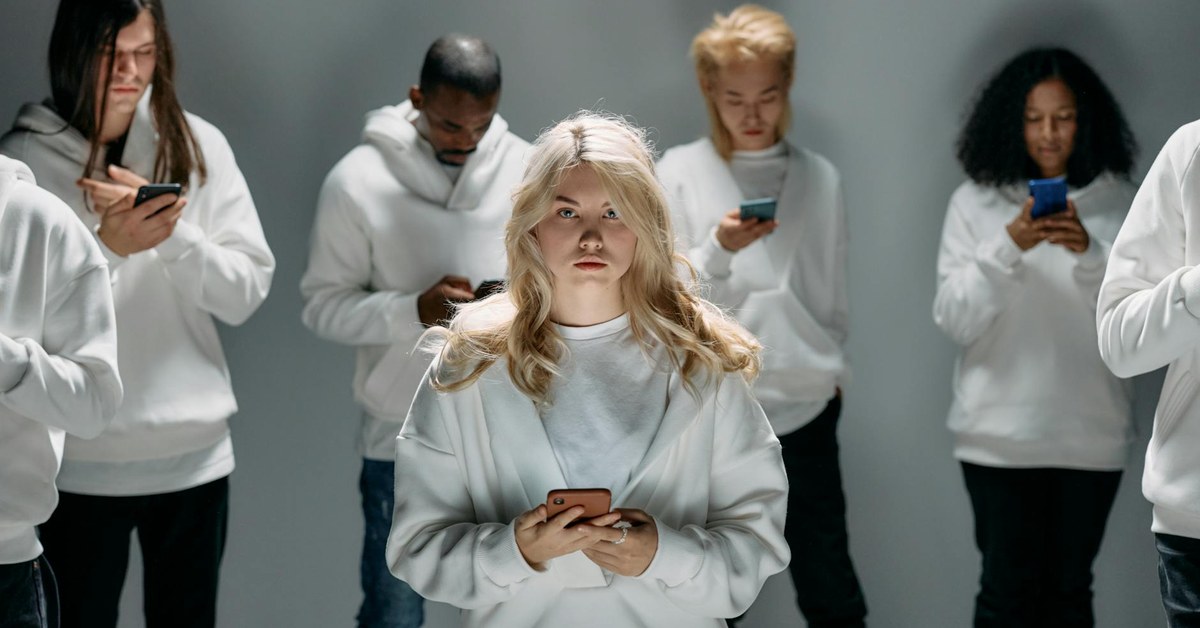

Social Media Anxiety and Comparison Culture
“Social media platforms are designed to keep you scrolling and comparing yourself to others. Understanding the psychological mechanisms at play helps you use these tools without letting them damage your mental health.”
The Platform Design Behind Your Anxiety
Social media platforms are not neutral tools. They are products designed by teams of engineers and behavioural scientists whose primary goal is to maximise the time you spend on the platform and the frequency with which you return to it. Every feature of major social media platforms, from the infinite scroll that removes natural stopping points, to the variable ratio reinforcement of notification alerts, to the quantified social approval of likes and follower counts, has been optimised for engagement. And engagement, it turns out, is often best maximised through content and dynamics that trigger strong emotional responses, including anxiety, envy, outrage, and insecurity.
This is not a conspiracy theory. It is the documented design intent of platforms that have generated enormous profits precisely by keeping users in a heightened emotional state. Understanding that the anxiety, comparison, and insecurity many people feel on social media is partly a designed outcome, not just a personal weakness, is an important starting point for addressing it.
Social Comparison Theory and Why It Hurts on Social Media
Humans naturally compare themselves to others. This is a basic psychological mechanism that existed long before social media. Social comparison theory, first articulated by psychologist Leon Festinger in the 1950s, describes how we evaluate our own opinions, abilities, and circumstances by comparing them to those around us. Upward comparisons, comparing ourselves to those who appear to be doing better, can motivate us in some contexts but are more commonly associated with decreased wellbeing, particularly when they are frequent and involuntary.
Social media creates conditions for extraordinarily frequent upward social comparison. The curated nature of what people post means you are comparing your complete reality, including your bad days, your insecurities, and your private struggles, to the carefully selected highlights of other people's lives. The comparison is between your behind the scenes and their showreel. This is a comparison that almost everyone will lose, and losing it repeatedly, dozens of times per day across multiple platforms, has cumulative effects on mood, self-esteem, and life satisfaction.
Research on social media use and wellbeing, while nuanced and not uniformly negative, does show consistent associations between heavy passive social media use, scrolling without engaging, and lower wellbeing, particularly for young women. The relationship between social media use and mental health is complex and depends on how it is used, but the passive consumption of curated images is consistently associated with worse outcomes.
Recognising Unhealthy Usage Patterns
Not all social media use is harmful. Using platforms to maintain genuine relationships, share creative work, access information, and engage with communities of interest can be a genuinely positive experience. The patterns that are more likely to cause harm include: spending hours scrolling without purpose or positive outcome; using social media as the first thing you do in the morning and last thing at night; feeling significantly worse about yourself or your life after using certain platforms; checking your phone compulsively even when you do not intend to; being unable to enjoy real experiences without documenting and sharing them; and feeling that your value is tied to the metrics of likes, followers, and engagement.
If any of these patterns feel familiar, they are worth addressing, not because you are weak or addicted, but because these patterns are the intended result of deliberate design choices and they tend to worsen over time without conscious interruption.
Practical Strategies for Healthier Social Media Use
Managing your relationship with social media is not primarily about willpower. It is about restructuring the environment so that the default outcome is healthier use. Practical strategies that work include turning off all push notifications from social media apps so that you choose when to check them rather than responding to prompts. Setting specific times for checking social media, rather than checking continuously throughout the day, reduces involuntary comparison exposure. Using app timers or screen time features to set daily limits creates awareness and friction around excessive use. Removing social media apps from your phone and accessing them only through a browser adds just enough friction to disrupt mindless scrolling. Unfollowing or muting accounts that consistently make you feel worse about yourself or your life, regardless of who those accounts belong to, is a simple and powerful adjustment. Curating your feed actively, so that the accounts you follow are genuinely interesting, funny, or uplifting rather than those that trigger comparison and insecurity, changes the emotional valence of your time on the platform.
The Performance Pressure of Sharing Your Own Life
Social comparison flows both ways. Many young adults also experience significant pressure around the content they share about themselves. The expectation to present an exciting, successful, and attractive version of your life online creates a kind of ongoing performance that is tiring and often disconnected from how your life actually feels from the inside. Deciding to use social media differently, sharing more honestly or sharing less overall, can reduce this pressure significantly. Many people find that periods of reduced or absent posting feel liberating in ways they did not anticipate.
Be aware of the relationship between social sharing and your sense of self. If you find that your sense of self-worth is significantly tied to online validation, such as through follower counts, likes, or responses to content, this is worth examining. A resilient sense of self-worth is grounded in your values, your relationships, and your genuine life experiences, not in external metrics that can change arbitrarily.
Taking Breaks and Digital Detoxes
Intentional breaks from social media, whether for a day, a week, or longer, can provide significant benefits for wellbeing. Research on social media breaks consistently shows improvements in mood, life satisfaction, and reduced loneliness among people who take them. If the idea of a break makes you significantly anxious, this itself is useful information about the role social media is playing in your psychological life.
A break does not need to be permanent. Even a few days without social media can reset your baseline and provide perspective on how much emotional energy the platforms were absorbing. Many people find that when they return after a break, they use platforms more intentionally and more briefly, and that the compulsive quality of use has reduced.
When to Seek Support
If social media is significantly contributing to anxiety, depression, or a distorted relationship with your body image, eating, or self-worth, and if these difficulties persist despite changes to your usage habits, speaking to a mental health professional is appropriate. Cognitive behavioural therapy has strong evidence for addressing the patterns of thinking that social comparison and social media anxiety often involve. You do not need to be in crisis to seek support, and addressing these patterns earlier rather than later tends to produce better outcomes.