Staying Safe as an LGBTQ+ Young Person
LGBTQ+ young people face specific safety challenges, online and offline. This guide offers practical advice for staying safe while living authentically.
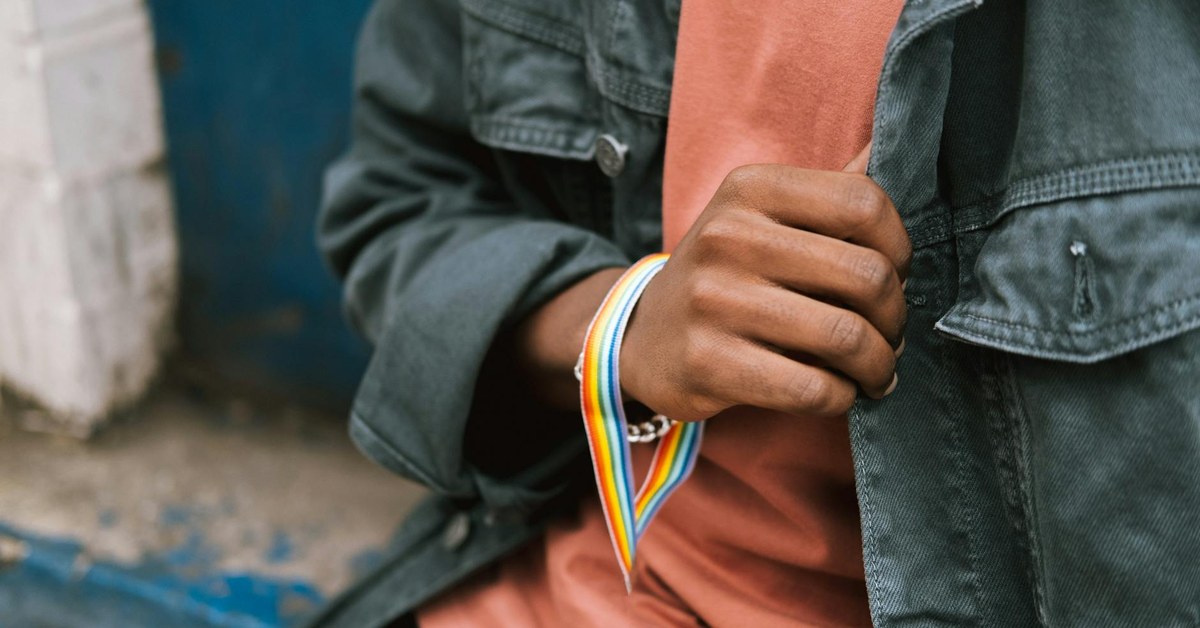

Staying Safe as an LGBTQ+ Young Person
“LGBTQ+ young people face specific safety challenges, online and offline. This guide offers practical advice for staying safe while living authentically.”
Safety Matters and So Does Authenticity
Being LGBTQ+ in the UK today is both more accepted than it has ever been and still associated with specific risks that non-LGBTQ+ people do not face in the same way. Hate crime based on sexual orientation and gender identity is the fastest-growing category of recorded hate crime in England and Wales. Online harassment targeting LGBTQ+ young people is common. In some families and communities, coming out carries real risks to housing, relationships, and safety.
This guide does not exist to suggest that being LGBTQ+ is inherently dangerous or that you should hide who you are. Authenticity and safety are both important, and they are not always in conflict. The goal is to give you practical knowledge so that you can make informed decisions about your own safety in the contexts you actually navigate.
Online Safety for LGBTQ+ Young People
Online communities are often a vital first point of contact for LGBTQ+ young people, particularly those in areas or families where LGBTQ+ identities are not accepted. Finding community, information, and connection online before being able to do so in person is genuinely valuable, and you should not have to give that up to stay safe.
Consider what information is visible on your public profiles. If you are not openly LGBTQ+ in all areas of your life, be thoughtful about what you share publicly and who can see it. Most platforms allow separate lists or close friends groups for more personal sharing. Location sharing on social media can reveal your presence at LGBTQ+ venues, events, or support groups to people in your life who you may not have chosen to tell.
Be cautious in LGBTQ+ dating and social apps, many of which are designed for adults but used by younger people. These platforms can involve contact from people significantly older, and the same grooming risks that exist on other platforms apply here, sometimes with the additional dynamic of someone using your sexuality as a point of shared understanding to build trust quickly. Meet people you connect with online in public places, tell a trusted person where you are going, and do not share your address early in any online connection.
Homophobic and transphobic harassment online can range from occasional hostile comments to sustained targeted campaigns. Document harassment by taking screenshots, report it to the platform, and block accounts. If harassment is serious, sustained, or involves threats, it can be reported to the police as a hate crime. StopHateUK and Galop (the LGBTQ+ anti-violence charity) can provide support and advice.
Physical Safety and Hate Crime
Hate crime based on sexual orientation or gender identity is a criminal offence in the UK, with enhanced sentencing compared to similar crimes without a hate motivation. If you experience a crime that you believe was motivated by hostility toward your LGBTQ+ identity, you can report it to the police as a hate crime. You can also report to True Vision (report-it.org.uk) online, or through Stop Hate UK if you prefer not to report directly to the police.
Practically, being aware of your environment and trusting your instincts applies as much to LGBTQ+ safety as to any personal safety context. Some areas carry higher risk at certain times. Going out in groups, sharing your location with a trusted friend, and having a plan for getting home are sensible precautions for any young person on a night out.
In LGBTQ+ venues, many of which have strong community cultures of looking out for each other, know where staff and security are and use them if something feels wrong. Most venues take the safety of their patrons seriously and will respond to concerns.
Coming Out Safely
There is no single right time or way to come out, and your safety and wellbeing should be the primary consideration. You do not owe anyone your coming out on their timeline. You have the right to be yourself when and how you choose.
If you are considering coming out in a home environment where you are unsure of the response, try to assess the likely reaction as honestly as possible. Organisations including Albert Kennedy Trust (AKT), which specifically supports LGBTQ+ young people facing homelessness and family rejection, offer advice on navigating coming out when the response may be hostile.
Having a plan in place before a difficult coming out conversation is sensible if there is genuine risk of a negative reaction. This might include having a trusted friend or family member who knows, having somewhere you could go if things go badly, having access to crisis support numbers, and not coming out in a way that leaves you immediately dependent on the person's reaction for your safety (for example, not coming out at the start of a journey in a car with someone who may react badly).
Mental Health and Support
LGBTQ+ young people experience disproportionately high rates of anxiety, depression, and self-harm compared to their peers, primarily driven by minority stress: the chronic stress of navigating a world that does not always accept you. This is not something inherent to LGBTQ+ identities. It is a response to external circumstances, and it improves significantly with acceptance, community, and support.
If you are struggling, please reach out. Switchboard (0800 0119 100, open 10am-10pm) provides support for LGBTQ+ people. The Mix (0808 808 4994) supports under-25s with any issue. Galop can help with hate crime and abuse. Your GP can also refer you to mental health support.
Finding LGBTQ+ community, whether online, through local groups, or through organisations like Stonewall's youth programmes, has a significant positive effect on wellbeing. You should not have to navigate this alone, and you don't have to.