Sustainable Body Confidence: Cultivating Inner Resilience Beyond External Ideals
Cultivate sustainable body confidence by building inner resilience. Learn to value your body beyond external ideals & foster lasting self-acceptance.
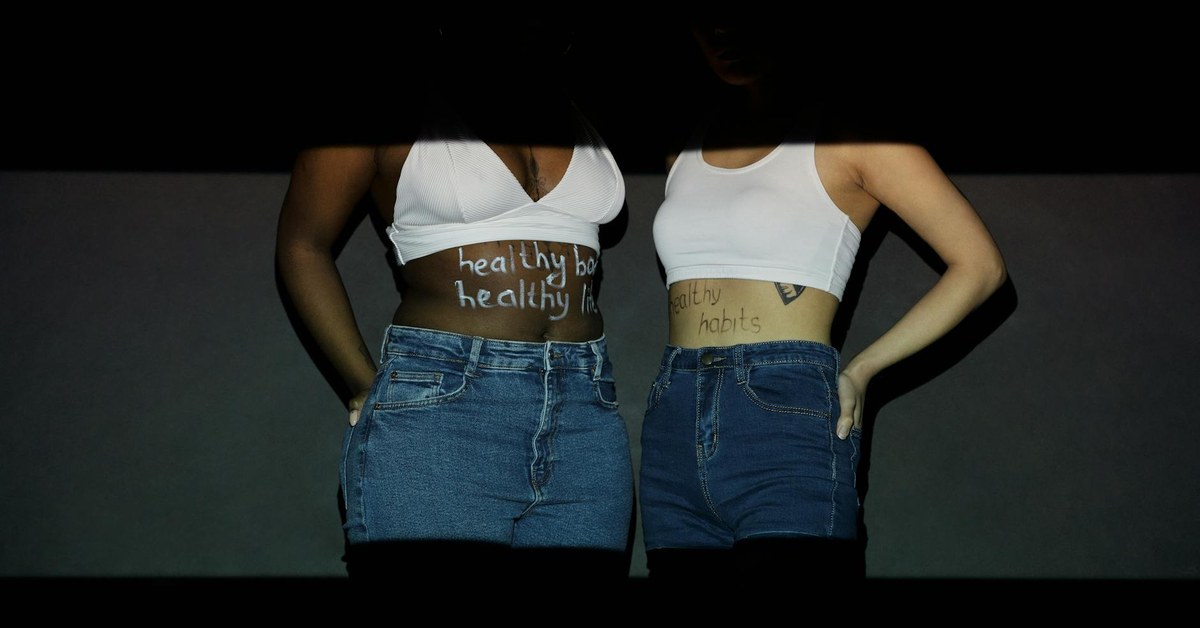

Sustainable Body Confidence: Cultivating Inner Resilience Beyond External Ideals
“Cultivate sustainable body confidence by building inner resilience. Learn to value your body beyond external ideals & foster lasting self-acceptance.”
Developing sustainable body confidence means fostering a deep, unwavering appreciation for your body that extends far beyond fleeting external appearances. In a world saturated with often unrealistic beauty standards, building inner resilience becomes paramount. This article explores how to cultivate a lasting sense of self-acceptance and value for your body, empowering you and your family to thrive with genuine, enduring confidence.
The Shifting Sands of External Ideals: Why They Fail Us
Our modern environment constantly bombards us with images and messages dictating what constitutes “ideal” beauty. From social media feeds to advertising campaigns, these external ideals are often narrow, exclusionary, and, crucially, unattainable for most people. The relentless pursuit of these shifting standards can lead to profound dissatisfaction and insecurity, undermining genuine self-worth.
Research consistently highlights the pervasive nature of body image concerns. A 2023 report from the Mental Health Foundation in the UK found that 1 in 5 adults felt shame about their body, and 1 in 8 had experienced suicidal thoughts or feelings because of concerns about their body image. For young people, these figures are even more concerning. UNICEF reports that among adolescents aged 10-19, body dissatisfaction is a significant issue globally, exacerbated by digital platforms.
“Constant exposure to curated images and filtered realities contributes to a pervasive sense of inadequacy, especially among young people still developing their self-identity,” notes a public health expert. “When self-worth is tied to external validation, confidence becomes fragile, easily shattered by perceived imperfections or critical comments.”
The problem with external ideals is their inherent impermanence. Trends change, bodies age, and what is celebrated today may be overlooked tomorrow. Chasing these moving targets is an exhausting and ultimately unfulfilling endeavour. True, lasting confidence cannot be built on such an unstable foundation. It requires an internal shift, a re-evaluation of what makes a body valuable and worthy of respect.
Next Steps: Begin to consciously observe the media messages you consume daily. Question their underlying assumptions about beauty and worth.
Cultivating Inner Resilience: The Core of Sustainable Body Confidence
Inner resilience, in the context of body image, refers to the ability to maintain a positive and accepting view of one’s body despite external pressures, critical thoughts, or societal expectations. It is about building a robust internal framework of self-worth that is independent of appearance. This resilience is rooted in self-compassion, self-respect, and a deep understanding of your body’s intrinsic value.
Fostering inner body resilience involves several key pillars:
- Self-Awareness: Recognising your thoughts and feelings about your body without judgment. Understanding triggers for negative self-talk.
- Self-Compassion: Treating yourself with kindness and understanding, especially during moments of perceived inadequacy or struggle. This means acknowledging that everyone faces challenges and that imperfections are part of the human experience.
- Appreciating Function Over Form: Shifting focus from how your body looks to what it does. Celebrating its capabilities, strength, and the incredible processes it performs daily to keep you alive and active.
- Mindful Self-Care: Engaging in practices that genuinely nourish your body and mind, such as adequate sleep, balanced nutrition, and joyful movement, not as punishment or a means to change appearance, but as acts of self-respect.
- Setting Boundaries: Protecting your mental and emotional space from negative influences, whether from social media, critical friends, or family members.
For families, fostering this resilience begins early.
- Ages 5-8: Focus on what bodies do. “Your legs help you run and play!” “Your hands help you draw amazing pictures.” Avoid commenting on appearance, especially weight or shape. Encourage diverse activities.
- Ages 9-12: Discuss media literacy. “Do you think all the pictures on TV are real?” Encourage critical thinking about advertisements. Emphasise health and wellbeing over appearance.
- Ages 13+: Open dialogue about societal pressures. Help teenagers identify and challenge unrealistic ideals. Promote positive role models who demonstrate diverse body types and capabilities. Encourage them to articulate their feelings and seek support if needed.
Key Takeaway: Sustainable body confidence is not about loving every aspect of your body every single day, but rather about building a foundation of inner resilience that allows you to value and respect your body consistently, irrespective of external validation or fleeting imperfections.
Embracing Body Wisdom: Listening to Your Body’s Needs
Cultivating body wisdom means tuning into your body’s internal signals and honouring its needs, rather than imposing external rules or expectations upon it. This involves shifting from an external gaze to internal sensation, allowing your body to guide you towards what truly serves your wellbeing.
Practical ways to embrace body wisdom:
- Mindful Eating: Pay attention to hunger and fullness cues. Eat when you are hungry, stop when you are comfortably full. Notice the tastes, textures, and smells of your food. This helps to develop a healthier relationship with food, free from guilt or restrictive mindsets.
- Intuitive Movement: Engage in physical activity that feels good and energises your body, rather than forcing yourself into exercises you dislike solely for aesthetic goals. This could be dancing, walking in nature, cycling, or playing a sport. The goal is joyful movement, not punishment.
- Adequate Rest: Listen to your body’s need for sleep and relaxation. Recognise signs of fatigue and allow yourself to rest without guilt. Quality sleep is fundamental to physical and mental health.
- Regular Check-ins: Take a few moments each day to scan your body, noticing any areas of tension, comfort, or discomfort. Ask yourself, “What does my body need right now?”
Journaling Prompts for Body Wisdom: 1. What are three things my body allowed me to do today that I am grateful for? 2. How does my body feel when it is nourished? When it is tired? 3. What messages am I receiving from my body, and how can I respond with kindness? 4. If my body could speak, what would it tell me it needs more of, or less of?
Next Steps: Dedicate a few minutes each day to a body scan meditation or mindful eating practice.
Challenging Negative Self-Talk and Media Narratives
Negative self-talk can be a significant barrier to building sustainable body confidence. These internal criticisms often stem from internalised societal messages and can erode self-worth over time. Learning to identify and reframe these thoughts is a powerful step.
Steps to Challenge Negative Self-Talk:
- Identify the Thought: Catch yourself when you’re thinking negatively about your body. “My legs are too big” or “I wish my stomach was flatter.”
- Question the Thought: Is this thought fact or opinion? Where did this belief come from? Is it truly helpful or kind?
- Reframe the Thought: Actively challenge the negative thought with a more compassionate or realistic one. Instead of “My legs are too big,” try “My legs are strong and carry me wherever I need to go.” Or, “My body is unique, and that’s okay.”
- Practise Self-Compassion: Respond to yourself with the same kindness you would offer a friend. Acknowledge that having negative thoughts is normal, but you have the power to choose how you react to them.
Media Literacy and Digital Detox: The digital world, while offering connection, often presents highly curated and unrealistic images. Developing media literacy skills is crucial for both adults and children.
- Discuss Filters and Editing: Explain that many images online are heavily filtered, edited, or digitally altered. They do not represent reality.
- Curate Your Feed: Actively unfollow accounts that trigger negative feelings or promote unrealistic beauty standards. Seek out diverse voices and body types that promote [INTERNAL: authentic self-expression].
- Set Time Limits: Limit exposure to social media and other platforms that might contribute to body dissatisfaction.
- Engage Critically: Teach children to ask questions like: “Who created this image? What are they trying to sell me? Is this picture realistic?”
Next Steps: Choose one negative thought about your body and practise reframing it for a week. Review your social media feeds and unfollow accounts that do not promote positive wellbeing.
Practical Strategies for Fostering Lasting Body Positivity
Building lasting body positivity is an ongoing journey that requires consistent effort and self-awareness. It involves integrating practices that reinforce self-acceptance and appreciation into daily life.
Mindful Movement and Intuitive Eating
These two practices are cornerstones of a healthy, respectful relationship with your body, moving away from restrictive diets and punishing exercise routines.
- Mindful Movement: Instead of focusing on calorie burning or achieving a specific physique, focus on how movement makes your body feel.
- Ask yourself: Does this movement feel joyful? Does it energise me? Does it make me feel strong?
- Examples: Dancing to your favourite music, taking a brisk walk in nature, trying a new sport for fun, stretching gently. The goal is to connect with your body’s capabilities and enjoy the process.
- Intuitive Eating: This approach encourages you to trust your body’s internal signals of hunger, fullness, and satisfaction.
- Reject the Diet Mentality: Let go of rules about what, when, and how much to eat.
- Honour Your Hunger: Eat when you are hungry.
- Feel Your Fullness: Stop eating when you are comfortably satisfied.
- Discover Satisfaction: Find pleasure in eating.
- Cope with Emotions with Kindness: Find ways to comfort, nurture, and distract yourself without using food.
- Respect Your Body: Accept your genetic blueprint.
Next Steps: Try a new form of movement that genuinely excites you. Practise eating one meal a day without distractions, focusing on your hunger and fullness cues.
Building a Supportive Environment
The people and environments we surround ourselves with significantly impact our body image. Cultivating a supportive environment is essential for nurturing sustainable body confidence.
- Positive Social Circles: Seek out friends and family who uplift you, celebrate diversity, and do not engage in body shaming or excessive appearance comparisons.
- Setting Boundaries: Politely but firmly address comments that make you uncomfortable. You have the right to protect your emotional wellbeing. For example, “I’d prefer not to discuss my weight, thank you.”
- Diverse Activities: Engage in hobbies and activities that focus on skill development, creativity, or community, rather than those solely centred on appearance. This helps to broaden your sense of self-worth beyond your looks.
- Home Environment: Ensure your home is a safe space free from body-shaming talk. Promote a culture of respect for all body types within your family.
Next Steps: Identify one person or situation that negatively impacts your body image and consider how you might set a boundary or limit exposure.
Practising Self-Compassion and Gratitude
Self-compassion and gratitude are powerful tools for building inner resilience and body image self-acceptance.
- Self-Compassion Break: When you notice yourself struggling with negative body thoughts, try this three-step exercise:
- Mindfulness: Acknowledge the feeling. “This is a moment of suffering related to my body.”
- Common Humanity: Remember you’re not alone. “Many people struggle with their body image.”
- Self-Kindness: Offer yourself comfort. “May I be kind to myself in this moment. May I give myself the compassion I need.”
- Gratitude for Your Body: Regularly reflect on all the incredible things your body does for you.
- “I am grateful for my eyes that allow me to see the beauty of the world.”
- “I am grateful for my hands that allow me to create and connect.”
- “I am grateful for my heart that beats tirelessly to keep me alive.”
- Keep a gratitude journal specifically for your body.
“Treating yourself with the same kindness you would offer a friend is fundamental to building lasting self-acceptance,” advises a mental health professional. “Self-compassion allows us to navigate the inevitable challenges of body image with greater resilience and less self-criticism.”
Age-Specific Family Activities for Body Appreciation: * Family Nature Walks: Focus on what your bodies allow you to experience – the feeling of sun, the strength of your legs climbing, the sound of birds your ears perceive. * Cooking Together: Emphasise nourishing your bodies with delicious, wholesome food, rather than focusing on “good” or “bad” foods for appearance. * “My Body Can” Game: Take turns naming things your body can do (e.g., “My body can jump!” “My body can hug!”).
Next Steps: Begin a daily practice of listing three things you are grateful for about your body.
The Role of Education in Shaping Body Image Self-Acceptance
Education plays a vital role in dismantling harmful body ideals and fostering beyond external beauty perspectives from a young age. Parents, educators, and community leaders all have a part to play.
- Promoting Critical Thinking: Teaching children and teenagers to critically analyse media messages, understand the impact of filters and digital manipulation, and question the commercial motives behind beauty standards.
- Diverse Representation: Ensuring exposure to a wide range of body shapes, sizes, abilities, and appearances in books, media, and real-life role models. This helps normalise diversity and challenges the idea of a single “ideal.”
- Emphasising Health and Wellbeing: Shifting the conversation from weight and appearance to holistic health, including mental, emotional, and physical wellbeing. This promotes behaviours that are genuinely beneficial, regardless of their impact on aesthetics.
- Open Communication: Creating safe spaces for children and teenagers to discuss their body image concerns, feelings of inadequacy, and experiences with bullying or comparison. [INTERNAL: Fostering open communication in families]
By proactively educating ourselves and the younger generation, we can equip them with the tools to navigate a complex world and build a foundation of enduring self-acceptance.
What to Do Next
- Start a Body Gratitude Journal: Dedicate a few minutes each day to writing down three specific things your body does for you that you are grateful for.
- Practise Mindful Movement: Choose one physical activity you genuinely enjoy and engage in it at least twice this week, focusing solely on how it makes your body feel, rather than any external goals.
- Challenge One Negative Thought: Identify a recurring negative thought about your body and consciously practise reframing it with a compassionate and realistic alternative for the next seven days.
- Curate Your Digital Environment: Review your social media feeds and unfollow any accounts that consistently trigger negative feelings or promote unrealistic body ideals. Seek out diverse and empowering content instead.
- Initiate a Family Discussion: Talk with your children or loved ones about media messages and body image. Encourage them to share their thoughts and help them develop critical thinking skills.
Sources and Further Reading
- Mental Health Foundation. (2023). Body Image Report. mentalhealth.org.uk
- UNICEF. (2021). The State of the World’s Children 2021: On My Mind - Promoting, Protecting and Caring for Children’s Mental Health. unicef.org
- The Body Positive. (Ongoing Resources). thebodypositive.org
- National Eating Disorders Association (NEDA). (Resources on Body Image). nationaleatingdisorders.org
- World Health Organisation (WHO). (Resources on Adolescent Health and Wellbeing). who.int