Talking to Your Child About Pornography: A Guide for Parents
Most children encounter online pornography before their parents expect. Having an honest, age-appropriate conversation about it is one of the most important things a parent can do for their child's sexual development and safety. This guide shows how.
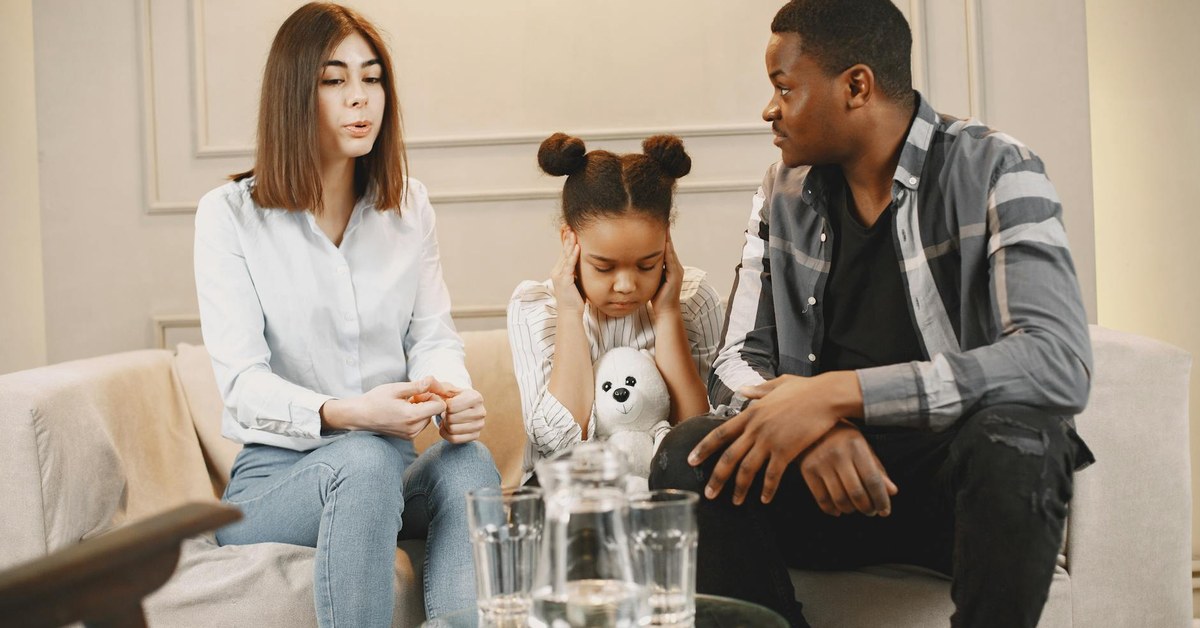

Talking to Your Child About Pornography: A Guide for Parents
“Most children encounter online pornography before their parents expect. Having an honest, age-appropriate conversation about it is one of the most important things a parent can do for their child's sexual development and safety. This guide shows how.”
The Conversation Most Parents Avoid
Surveys in multiple countries consistently find that most children first encounter online pornography between the ages of 9 and 13, often accidentally through a search, a shared link, or a recommendation algorithm. By mid-adolescence, the majority of teenagers have seen pornographic content, frequently including material that is violent or degrading.
Despite this, most parents have never spoken to their children about pornography. The topic feels awkward, embarrassing, and difficult to broach without seeming to encourage or normalise what is often inherently disturbing material. The result is that many children encounter pornography without any adult having given them a framework for understanding what they have seen.
This gap matters. Research on children's exposure to pornography finds consistent associations with distorted beliefs about sex, unrealistic expectations about bodies and performance, normalisation of coercive behaviours depicted in pornography, and in some cases, significant distress in children who encounter violent or extreme material without warning. Children who have had conversations with parents about pornography are better equipped to contextualise what they see and more likely to come to a parent if something upsets them.
Starting the Conversation: When and How
The conversation about pornography should begin before children are likely to encounter it, not after. For most families this means starting age-appropriate conversations around ages 9 to 11, as part of a broader conversation about relationships, bodies, and sex.
There is no perfect script, but the following approach tends to work well:
Start with what they already know: Begin by asking open questions rather than delivering a lecture. Have you ever come across anything online that seemed rude or weird? or Do you know what pornography is? gives you important information about what they have already encountered and what framework they are working with.
Normalise the conversation without normalising the content: This does not have to be a big deal conversation. Incorporating it into ongoing discussions about the internet, relationships, and bodies makes it feel less loaded. The goal is for your child to feel that they can come back to you with questions or concerns, not that this is a one-time pronouncement.
Be honest about what pornography is: Pornography is videos or pictures of people having sex, usually made for adults. It is easy to find online even when you are not looking for it. At age-appropriate levels, children deserve honest information rather than euphemism.
Key Messages to Convey
The specific content of the conversation should be calibrated to the child's age and maturity, but several core messages are important across age groups:
Pornography is not how real sex or real relationships work. Pornography is a performance, produced for commercial purposes, in which actors play roles. Bodies in pornography are often altered, lighting is artificial, and what is shown bears little resemblance to the reality of sexual relationships between real people. Teenagers who form their understanding of sex from pornography develop unrealistic expectations that can harm their own sexual experiences and relationships.
What feels wrong probably is wrong. Children and young people who encounter violent, degrading, or disturbing pornographic content often feel confused, uncomfortable, or distressed. These reactions are appropriate. Not all pornography is the same, and content that depicts violence, coercion, or the degradation of people is harmful to watch regardless of whether it is technically legal in a given jurisdiction.
Coming to me is always safe. If you ever see something online that upsets you, confuses you, or makes you feel uncomfortable, you can always bring it to me. You will not be in trouble. This reassurance, believed by the child, is one of the most important outcomes of this conversation.
People in pornography are real people. The performers in pornography are real human beings. Some have had healthy experiences in the industry; many have not. Treating people in pornographic content as objects rather than people reflects and reinforces attitudes toward real people that cause harm.
Age-Specific Approaches
Ages 8 to 11: Focus on the basics. Some pictures and videos online show people without clothes doing things that are private. This content is made for adults and is not appropriate for children. If you see something like this, close it, tell me, and you will not be in trouble. Emphasise the safety message strongly at this age.
Ages 12 to 14: This is typically the period of highest first exposure. Be more explicit: pornography is videos of people having sex, made for adults to watch. It often shows things that are not real or not healthy. Real sex between people who care about each other looks very different. Introduce the concept of consent: some pornography shows things that would not be okay in real life, like not asking whether someone wants to do something.
Ages 15 to 17: Older teenagers can engage with more sophisticated discussion. The pornography industry, unrealistic body standards, the relationship between pornography consumption and attitudes toward sex and partners, and the growing evidence linking pornography use to sexual dysfunction in young men are all topics that older teenagers are capable of engaging with seriously.
Ongoing Conversation
This is not a one-time event. Return to the topic naturally as opportunities arise. News stories about online regulation, discussions of relationships in television shows, or conversations about social media and body image all provide natural entry points. The goal is an ongoing dialogue, not a lecture that is delivered once and considered done.
Children who feel able to discuss this topic with their parents are significantly better positioned to handle exposure to pornography when it occurs and to develop healthy attitudes toward sex and relationships.
Conclusion
Talking to children about pornography is one of the most important and most avoided conversations in modern parenting. The discomfort is understandable, but the cost of silence is significant. Children who have had this conversation, who understand what pornography is, why it differs from reality, and that they can come to their parents if something upsets them, are substantially better protected than those who encounter pornography in a context of complete adult silence.