Tattoo and Piercing Safety
Getting a tattoo or piercing is a significant personal decision. Beyond the artistic and emotional aspects, there are real health and safety considerations that every young adult should understand before sitting in that chair.
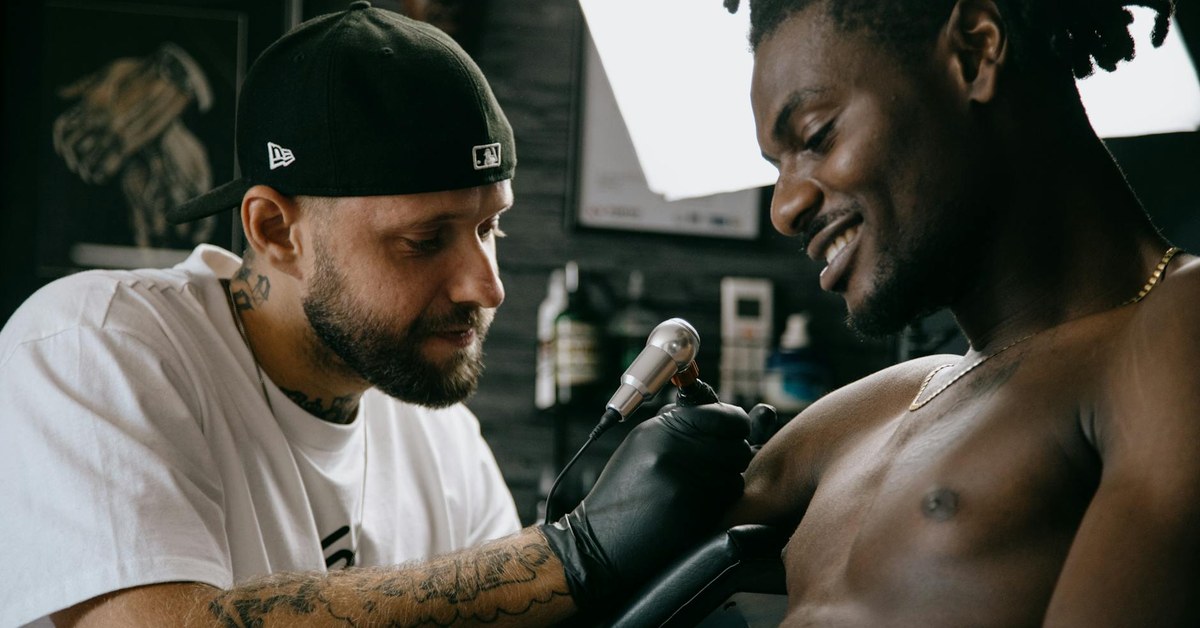

Tattoo and Piercing Safety
“Getting a tattoo or piercing is a significant personal decision. Beyond the artistic and emotional aspects, there are real health and safety considerations that every young adult should understand before sitting in that chair.”
The Growing Global Popularity of Body Art
Tattoos and piercings have existed in human cultures for thousands of years, from the intricate moko of Maori communities in New Zealand to the ancient tattooing traditions of Japan, Egypt, and the indigenous peoples of the Pacific Islands. Today, body modification has become mainstream across much of the world, with surveys suggesting that around a third of adults in the United Kingdom, United States, and Australia have at least one tattoo. Among young adults aged 18 to 35, the proportion is even higher.
This popularity has brought with it a thriving industry, but also significant variation in standards. For every immaculately clean, professionally run studio with trained artists, there are also informal setups operating without proper hygiene protocols, adequate training, or legal licensing. Knowing how to tell the difference, and understanding the genuine health considerations involved, is essential before you commit to any form of body modification.
Understanding the Health Risks
Both tattooing and piercing involve breaking the skin, which means both carry real, if manageable, health risks. Being aware of these risks does not mean you should avoid body modification, but it does mean you should make informed decisions and take aftercare seriously.
The most common risks associated with tattoos include infection, allergic reactions to ink, and complications during healing. Infection can occur when unsterilised equipment is used, when aftercare instructions are not followed, or when a person has an underlying condition that compromises their immune system. Symptoms of an infected tattoo include increasing redness, swelling, warmth, pus, and fever; these require medical attention and should not be ignored or self-treated.
Allergic reactions are most commonly associated with coloured inks, particularly red, yellow, and blue pigments. Some people develop granulomas, which are small nodules of inflammation around ink particles, or experience keloid scarring, which is raised scar tissue that forms over the tattooed area. Those with a personal or family history of keloids should discuss this with a dermatologist before getting tattooed.
For piercings, the risks include infection, rejection, and migration. Rejection happens when the body treats the jewellery as a foreign object and gradually pushes it towards the skin's surface, eventually causing the piercing to come out. Migration is a related process where the piercing moves from its original position. Both are more common with surface piercings and with jewellery made from low-quality materials.
Blood-borne infections are a serious concern with any procedure involving needles. Hepatitis B, Hepatitis C, and HIV can all theoretically be transmitted through contaminated equipment. This is why the use of single-use, sterile needles and autoclaved equipment is non-negotiable in a reputable studio. In countries with weaker regulatory oversight, this risk is higher and requires additional caution.
How to Choose a Reputable Studio
Choosing the right studio is the single most important decision you will make in the whole process. Price should not be your primary consideration. A cheap tattoo or piercing done in unsanitary conditions is never worth the saving.
Start by looking at licensing. In the United Kingdom, tattoo studios must be registered with their local council under the Local Government (Miscellaneous Provisions) Act 1982, and practitioners must hold relevant licences. In Australia, regulations vary by state, but all states require some form of registration. In the United States, requirements differ significantly by state, with some having comprehensive regulations and others having very little oversight at all. Always check what the local requirements are in your country or region, and verify that the studio is compliant.
Visit the studio before your appointment. A reputable studio should be visibly clean. Look for covered surfaces, disposable coverings on chairs and benches, an autoclave or evidence that it is used regularly, and artists who use gloves from a sealed packet. Ask questions. Any professional artist or piercer will welcome questions about their hygiene practices; if they are evasive or dismissive, leave.
Check portfolios and reviews. Most reputable studios maintain portfolios of healed work, not just fresh tattoos or new piercings, which look different once fully healed. Online reviews on platforms like Google, Yelp, or studio-specific forums can provide useful insight into the experiences of previous clients. Look specifically for comments about cleanliness, professionalism, and aftercare support.
Avoid studios that offer suspiciously low prices during sales or that pressure you into making immediate decisions. Body modification is permanent, or at least long-lasting, and any studio that discourages you from taking time to think is not acting in your best interests.
Jewellery and Ink Quality
The materials used in piercing jewellery have a direct impact on healing and long-term health. Implant-grade titanium (ASTM F136) is widely considered the gold standard for initial piercings because it is hypoallergenic, lightweight, and highly biocompatible. Implant-grade steel and solid 14k or 18k gold are also acceptable. Materials to avoid for fresh piercings include surgical steel of unknown grade, acrylic, nickel-containing alloys, and anything described simply as "hypoallergenic" without specification of the actual material.
The Association of Professional Piercers (APP), an international non-profit organisation, publishes detailed guidance on acceptable materials for body jewellery and is a useful resource when evaluating what a studio is offering to use.
Tattoo ink quality varies considerably. Professional studios in regulated markets typically use inks that meet relevant safety standards, such as those outlined by the European Chemicals Agency (ECHA) under REACH regulations. From January 2022, the EU introduced restrictions on certain pigments in tattoo inks, particularly those containing azo dyes and polycyclic aromatic hydrocarbons, due to potential links with skin sensitisation and carcinogenicity. If you are getting tattooed in a country with fewer regulatory controls, asking about the brand and origin of inks used is entirely reasonable.
Preparing for Your Appointment
Practical preparation before your appointment makes the experience safer and more comfortable. Eat a proper meal beforehand; tattooing and piercing both cause some degree of physical stress and having stable blood sugar reduces the likelihood of feeling faint. Stay well hydrated. Avoid alcohol for at least 24 hours before your tattoo appointment, as alcohol thins the blood, increases bleeding, and can affect how well ink sets in the skin.
Wear or bring appropriate clothing that allows easy access to the area being tattooed or pierced without requiring you to undress entirely. If you are having a hip, stomach, or back piece tattooed, plan your outfit accordingly.
Communicate your medical history honestly. Conditions such as diabetes, bleeding disorders, skin conditions like psoriasis or eczema, and immune-compromising illnesses are all relevant. Certain medications, including blood thinners, some antibiotics, and isotretinoin (commonly prescribed for acne), can affect healing or the tattooing process itself. Discuss any medications with your artist or piercer and, if necessary, consult your GP before proceeding.
If you have a history of fainting or extreme anxiety around needles, tell your artist or piercer. Most professionals are experienced at managing nervous clients and can pace the procedure, offer breaks, and provide reassurance.
Aftercare: The Critical Phase
Proper aftercare is not optional. It is the phase over which you have the most control, and it determines whether a tattoo heals beautifully or becomes infected and damaged, whether a piercing settles cleanly or becomes problematic.
For tattoos, the general consensus among professional artists involves keeping the fresh tattoo covered for a few hours, then gently washing with mild fragrance-free soap and lukewarm water. Apply a thin layer of recommended aftercare ointment or unscented moisturiser once or twice daily. Keep it out of direct sunlight during healing, and never submerge it in pools, lakes, the sea, or a bath until it is fully healed, which typically takes two to four weeks for the outer layers, though deeper healing continues for months.
Do not scratch, pick, or peel the tattooed skin during healing, even when it itches, which it will. Peeling skin is normal and should be left to come off naturally. Picking can pull out ink and cause permanent patchiness.
For piercings, saline solution is the primary aftercare tool recommended by professional piercers and the APP. A sterile saline spray or homemade solution of non-iodised sea salt and distilled water applied twice daily is generally sufficient. Avoid rotating or twisting the jewellery, which was once commonly advised but is now known to cause irritation rather than prevent it. Do not use alcohol, hydrogen peroxide, or Dettol on piercings, all of which damage healing tissue.
Healing times vary significantly by location. Earlobes typically heal within six to eight weeks, while cartilage piercings can take six to twelve months or longer. Navel piercings, which are surface-adjacent, can take up to a year or more to fully heal and are among the most commonly rejected piercings if aftercare is inconsistent.
Legal Considerations and Age Restrictions
The legal age for tattooing and piercing varies considerably across different countries and regions. In the United Kingdom, it is illegal to tattoo anyone under the age of 18, regardless of parental consent, under the Tattooing of Minors Act 1969. For piercings, the rules are less uniform: ear piercing of minors is generally permitted with parental consent, while genital piercings cannot be performed on anyone under 16.
In the United States, most states require those under 18 to have parental consent for both tattoos and piercings, while some states prohibit tattooing of minors entirely. In Germany, tattooing anyone under 18 is generally considered a criminal offence. In Australia, rules vary by state, with some requiring written parental consent and others imposing age limits without exceptions.
If you are travelling and considering getting a tattoo or piercing abroad, research the local legal framework. Tourist areas in some countries have studios that cater to visitors and may operate outside local norms; this does not make them safe or legitimate.
Considerations for Career and Social Contexts
While attitudes towards visible tattoos and piercings have shifted considerably in recent decades, they remain a factor in some professional and social contexts that is worth thinking about before committing to a placement.
Many workplaces, particularly in healthcare, finance, law, and certain client-facing roles, still have policies around visible tattoos or facial piercings. This does not mean you should avoid body modification for the sake of hypothetical future employment, but considering placement carefully, choosing areas that can be covered if needed, is a practical approach if you are uncertain about your future career direction.
Cultural sensitivity is also worth bearing in mind. Certain tattoo symbols carry deep significance in specific cultures, and using them without cultural knowledge or connection can cause genuine offence. Doing your research before choosing imagery, particularly from indigenous, religious, or historically specific traditions, is a form of basic respect.
Mental and Emotional Readiness
Body modification is permanent in a way that few other personal choices are. While tattoo removal has improved significantly with laser technology, it is expensive, time-consuming, painful, and rarely results in complete removal. Piercings, if removed, leave some form of mark, particularly cartilage piercings.
Taking time to be certain about what you want, sitting with a design for months before committing, sleeping on a decision, and choosing an artist whose aesthetic genuinely resonates with yours, are all signs of a healthy, considered approach rather than hesitancy. There is no rush, and the best artists will respect and even encourage that patience.
If you are considering body modification as a response to a particularly difficult emotional period, it is worth pausing to reflect. The impulse to make a physical mark of an experience is entirely human, but giving yourself time and perspective before a permanent decision is generally wise. The experience of getting tattooed or pierced can itself be meaningful and even cathartic, but that meaning is best arrived at from a grounded place.
Body art, at its best, is a form of self-expression that carries genuine personal significance. With the right preparation, the right studio, and proper aftercare, it is a safe and deeply personal way to inhabit your own skin.