Teaching Children About Stranger Safety: A Modern Approach
A guide for parents on teaching children effective personal safety skills in the modern world, moving beyond outdated stranger danger messages to a more accurate and empowering approach to keeping children safe.
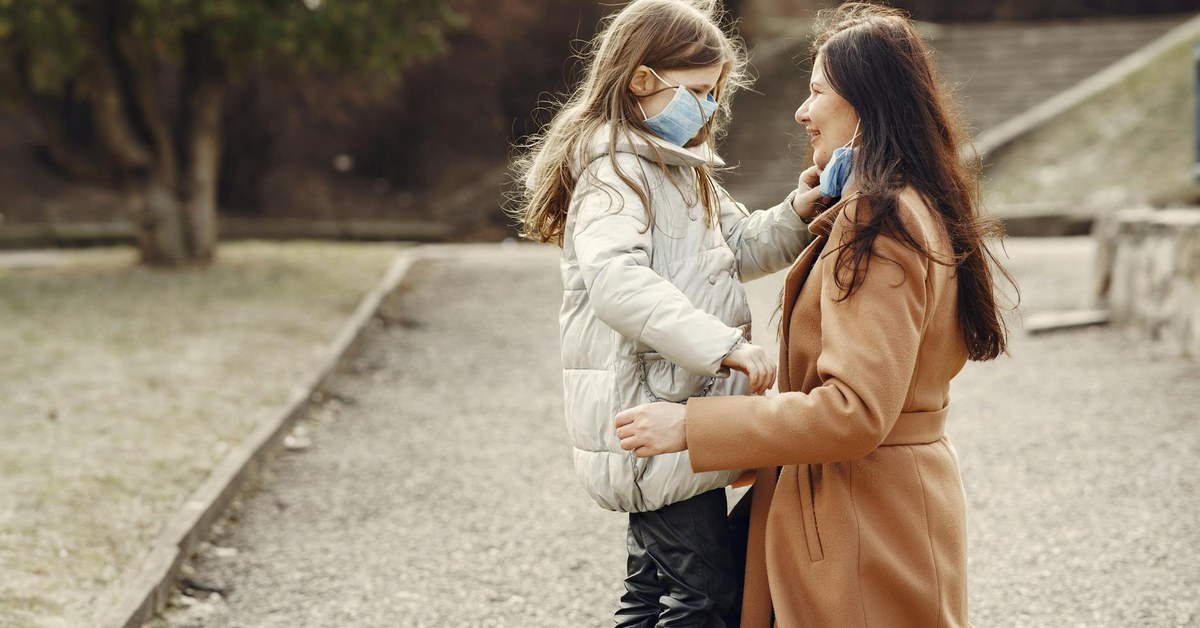

Teaching Children About Stranger Safety: A Modern Approach
“A guide for parents on teaching children effective personal safety skills in the modern world, moving beyond outdated stranger danger messages to a more accurate and empowering approach to keeping children safe.”
Why Stranger Danger Is Not Enough
For decades, stranger danger was the dominant framework for teaching children personal safety: do not talk to strangers, do not accept sweets from strangers, do not get in a car with a stranger. While well-intentioned, this framework has significant limitations that child protection specialists have long recognised.
The most important limitation is that it does not reflect reality. Research consistently shows that the vast majority of harm to children comes not from strangers but from adults known to the child: relatives, family friends, neighbours, coaches, teachers, and others in positions of trust. Teaching children exclusively to fear strangers leaves them under-equipped to recognise and report inappropriate behaviour from familiar adults.
The second limitation is that stranger danger is imprecise in a way that can cause confusion. A child who has been taught never to talk to strangers may be unable to ask an unknown adult for help when they need it, for example if they are lost, injured, or in danger from someone they know. Some strangers, particularly strangers in certain roles, are exactly who a child in trouble should approach.
The modern approach to child personal safety moves away from stranger danger and toward a more accurate and useful framework focused on body autonomy, recognising safe and unsafe behaviour rather than safe and unsafe categories of person, and building children's confidence to act on their instincts and get help when needed.
Body Autonomy: Ownership Starts Early
The foundation of effective personal safety education is teaching children from a very young age that their body belongs to them, and that no one has the right to touch them in ways they do not want or that make them feel uncomfortable. This teaching is most effective when it begins in the context of everyday physical interactions rather than as a frightening safety lesson.
Use correct anatomical names for body parts from infancy. Children who have accurate vocabulary for their own bodies can accurately describe what has happened to them if they need to report anything to an adult. Euphemisms create ambiguity that can complicate disclosures.
Allow and respect children's preferences about physical contact within your own family. If a child does not want to hug a relative, do not force them. This teaches, practically and consistently, that their comfort about physical contact matters and is respected. It is a far more powerful lesson than a conversation alone.
Teach children the difference between safe and unsafe touch: touches that keep your body healthy (medical examinations, a carer cleaning a wound) and touches that are not appropriate and that they should always tell a trusted adult about. Use the concept of private body parts (those covered by a swimsuit) as the specific focus for conversations about inappropriate touch.
Safe Adults vs. Safe Strangers
Rather than teaching children to avoid all strangers, teach them to identify specific categories of safe adults to go to when they need help:
- A police officer in uniform
- A person working in a shop at a till or information desk
- A mum or dad with children nearby
- Any adult in a specific safe location like a school office, library, or reception desk
Practise specifically with your child: if you were lost in a shopping centre and could not find me, who would you go to and what would you say? Running through this scenario a few times gives the child a concrete plan rather than a general instruction.
At the same time, teach children that even people they know, family members, family friends, teachers, coaches, must not ask them to keep secrets about touch, to go anywhere without their parents knowing, or to do anything that makes them feel uncomfortable. If any adult asks them to keep a secret that makes them feel uncomfortable, that is a signal to tell a trusted adult immediately.
Safe Secrets vs. Unsafe Secrets
An important distinction to teach children is between safe surprises and unsafe secrets. A safe surprise is something like planning a birthday party that will be revealed soon and that everyone will eventually know about. An unsafe secret is one that makes a child feel worried, frightened, or uncomfortable, and that they are told to keep hidden indefinitely. Teach children clearly: unsafe secrets are always to be told to a trusted adult, and anyone who asks them to keep an unsafe secret is doing something wrong.
Grooming: What Children Need to Know
Children, particularly older primary school age and teenagers, benefit from understanding the concept of grooming in age-appropriate terms. Grooming is the process by which adults who intend to harm children gradually build trust, establish a relationship, and normalise gradually increasing boundary violations before approaching direct abuse. This can happen in person and increasingly online.
Children should understand that adults who genuinely care about them will respect their boundaries and will not need to spend time alone with them without their parents knowing, give them gifts or money in secret, or ask them to keep things from their parents. Any adult who asks for secrecy around these things is giving a warning signal, regardless of how much the child likes or trusts them.
What To Do If Lost or in Trouble
Every child should have a clear, practised plan for what to do if they become separated from their adult in a public space:
- Stay where they are, or go back to the last known meeting point
- Do not leave the location they are in to look for the adult
- Ask a specific category of safe adult for help (shop worker, police officer, parent with children)
- Know their full name and, as soon as they are old enough to memorise it, their home address and a parent's phone number
Practise this with your child explicitly. Ask them: if I could not find you in the park, what would you do? Their answer will tell you whether they have a clear plan or whether more practice is needed.
Online Safety and Stranger Principles
The principles of personal safety extend naturally to online environments. Children should understand that online contacts who seem friendly may not be who they claim to be, that adults who approach children online seeking friendship or personal information are behaving in a way that warrants telling a parent, and that any online contact who asks them to keep the conversation secret is giving the same warning signal as the equivalent in-person behaviour.
Online and offline personal safety teaching should be connected explicitly, so that children understand the principles are the same regardless of the environment: my body belongs to me, adults who want to keep secrets about our contact are giving warning signals, and I can always tell a trusted adult without getting into trouble.
Building Confidence to Speak Up
All of this teaching is most effective when children are confident that if they tell a trusted adult about a concern, they will be listened to and believed without getting into trouble themselves. This confidence is built through daily interactions that demonstrate your willingness to listen to difficult things calmly. A child who has experienced an adult responding to small worries with calm, non-judgmental attention is far more likely to disclose something significant when they need to. The foundation of all effective child safety is a relationship in which a child knows they will be heard.