Empowering Overwhelmed Teens: Practical Self-Help Strategies to Master Anger and Build Emotional Resilience Amidst Academic & Social Stress
Help your overwhelmed teen master anger. Discover practical self-help strategies to build emotional resilience and navigate academic & social stress effectively.
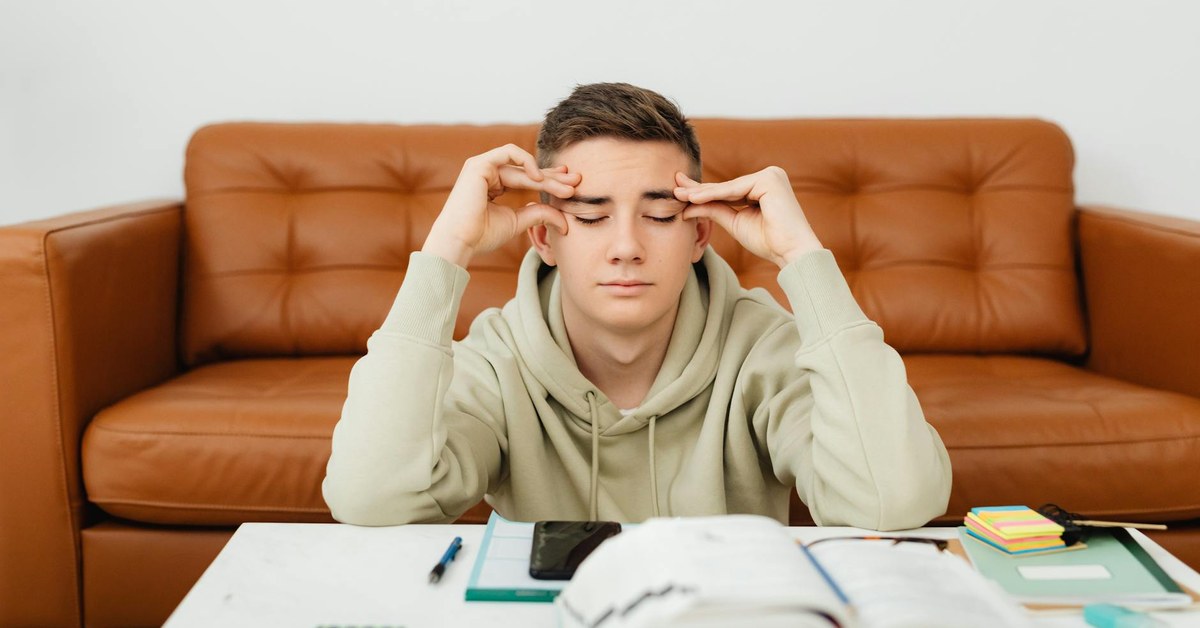

Empowering Overwhelmed Teens: Practical Self-Help Strategies to Master Anger and Build Emotional Resilience Amidst Academic & Social Stress
“Help your overwhelmed teen master anger. Discover practical self-help strategies to build emotional resilience and navigate academic & social stress effectively.”
Adolescence is a period of profound change, often characterised by intense emotions, academic pressure, and evolving social dynamics. When these pressures accumulate, many teenagers find themselves overwhelmed, leading to outbursts of anger and increased stress. Developing effective self-help for teen anger and academic stress is crucial for navigating these challenging years and building a foundation for future emotional wellbeing. This article explores practical strategies that young people can use to understand, manage, and ultimately master their anger, fostering greater emotional resilience.
Understanding the Teenage Brain and Stress Response
The adolescent brain is still developing, particularly the prefrontal cortex, which is responsible for impulse control, planning, and emotional regulation. This ongoing development means teenagers often experience emotions more intensely and may struggle to control their reactions compared to adults. Hormonal shifts further amplify these emotional fluctuations.
“Teenagers are navigating a complex landscape of biological changes, social pressures, and academic demands,” explains a child psychology expert. “Their brains are wired for heightened emotional responses, making effective coping mechanisms essential for healthy development.”
According to UNICEF, approximately one in seven adolescents aged 10-19 years globally lives with a diagnosed mental health condition. While not all anger issues signify a mental health condition, persistent, uncontrolled anger can be a symptom of underlying stress or anxiety. Academic pressure, social conflicts, body image concerns, and future uncertainties all contribute to a heightened state of stress, which can manifest as anger or irritability. Recognising these internal and external stressors is the first step towards developing robust emotional resilience for teens.
Common Triggers for Teen Anger and Academic Stress
Many factors contribute to a teenager’s stress levels and propensity for anger. Understanding these triggers can help young people and their families address the root causes more effectively.
Academic Pressure
- Exams and Assessments: The constant cycle of tests, coursework, and deadlines creates immense pressure.
- Heavy Workload: Juggling multiple subjects, homework, and extracurricular activities can lead to feelings of being overwhelmed.
- Future Uncertainty: Concerns about university applications, career paths, and financial independence add significant stress.
- Perfectionism: A desire to achieve flawless results can lead to anxiety and anger when expectations are not met.
Social Dynamics
- Peer Pressure: The need to fit in, make friends, and navigate social hierarchies can be exhausting.
- Bullying and Exclusion: Experiencing or witnessing bullying, both online and offline, can trigger strong feelings of anger, sadness, and helplessness.
- Social Media: The constant comparison, fear of missing out (FOMO), and cyberbullying contribute to heightened anxiety and anger.
- Relationship Challenges: Navigating friendships and romantic relationships can be emotionally taxing.
Family and Personal Factors
- Family Expectations: Pressure from parents or guardians regarding academic performance, behaviour, or future choices.
- Lack of Sleep: Chronic sleep deprivation significantly impairs emotional regulation and increases irritability.
- Poor Nutrition: Unhealthy eating habits can affect mood and energy levels.
- Undiagnosed Conditions: Underlying anxiety, depression, or learning difficulties can manifest as anger or frustration.
Practical Self-Help Strategies for Emotional Regulation
Empowering teenagers to manage their anger requires teaching them actionable techniques they can use independently. These adolescent stress management techniques focus on self-awareness and practical coping skills.
- Recognising and Naming Emotions: Encourage teens to pause and identify what they are truly feeling before reacting. Is it anger, frustration, sadness, or fear? Giving a name to the emotion helps to depersonalise it and creates a sense of control.
- Mindfulness and Deep Breathing: Simple breathing exercises can calm the nervous system almost immediately.
- Box Breathing: Inhale for four counts, hold for four, exhale for four, hold for four. Repeat several times.
- Mindful Observation: Focus on a sensory input, like the sound of birds or the texture of clothing, for a few minutes. Many free breathing apps or guided meditation resources can assist with this.
- Physical Activity: Exercise is a powerful stress reliever. Encourage regular physical activity, whether it is team sports, cycling, walking, or dancing. Even a short burst of activity can help release pent-up energy and frustration.
- Creative Expression: Provide outlets for emotional release.
- Journaling: Writing down thoughts and feelings can be incredibly cathartic and help process emotions.
- Art and Music: Drawing, painting, playing an instrument, or listening to music can offer a non-verbal way to express complex emotions.
- Problem-Solving Skills: When anger stems from a specific problem, guide teens to break it down.
- Identify the Problem: What exactly is causing the anger?
- Brainstorm Solutions: List potential ways to address the problem.
- Evaluate Options: Consider the pros and cons of each solution.
- Take Action: Choose a solution and implement it.
- Communication Skills: Learning to express needs and feelings assertively, without aggression, is vital.
- “I” Statements: Instead of “You always make me angry,” try “I feel frustrated when…”
- Active Listening: Encourage listening to others’ perspectives to de-escalate conflicts.
Key Takeaway: Developing self-awareness of triggers and practising emotional regulation techniques like deep breathing, physical activity, and creative expression are fundamental steps in empowering teens to manage anger and stress effectively.
Building Emotional Resilience for Long-Term Wellbeing
Beyond immediate anger management, fostering emotional resilience for teens involves equipping them with skills to bounce back from adversity and maintain a positive outlook.
Strategies for Long-Term Resilience
- Setting Realistic Goals: Help teens set achievable academic, social, and personal goals. Breaking larger tasks into smaller, manageable steps reduces overwhelm and builds confidence.
- Time Management Techniques: Teach them to use planners or digital calendars to organise assignments and activities. Prioritising tasks and scheduling breaks are essential for managing teen anger academic pressure.
- Developing a Support Network: Encourage teens to identify trusted adults and friends they can talk to. This network provides a crucial safety net during stressful times. [INTERNAL: Building strong family communication]
- Practising Self-Compassion: Remind teens that it is okay to make mistakes and that everyone faces challenges. Encourage them to treat themselves with the same kindness they would offer a friend.
- Mindful Use of Technology: Establish healthy boundaries around screen time, especially social media, to reduce comparison and digital overload.
- Seeking Professional Help When Needed: Normalise the idea of talking to a school counsellor, general practitioner, or therapist if stress or anger becomes overwhelming or persistent.
Comparing Unhelpful vs. Helpful Responses to Stress
| Unhelpful Response (Leads to Anger/Stress) | Helpful Response (Builds Resilience) |
|---|---|
| Avoidance: Ignoring problems, procrastination. | Problem-Solving: Addressing issues proactively. |
| Blame: Blaming others or circumstances. | Taking Responsibility: Focusing on what can be controlled. |
| Isolation: Withdrawing from friends and family. | Seeking Support: Connecting with trusted individuals. |
| Negative Self-Talk: “I’m not good enough,” “I’ll fail.” | Positive Affirmations: “I can handle this,” “I’m learning.” |
| Aggression: Yelling, breaking things, lashing out. | Calm Communication: Expressing feelings assertively. |
By consciously choosing helpful responses, teenagers can transform challenging situations into opportunities for growth and strengthen their capacity to cope with future stressors.
What to Do Next
Empowering your teen to master anger and build resilience is an ongoing process that requires patience and consistent effort. Here are concrete steps you can take:
- Open a Dialogue: Initiate calm conversations about stress and anger, listening without judgment. Ask your teen what specific academic or social pressures they are facing.
- Model Healthy Coping: Demonstrate your own stress management techniques. Children learn best by observing the behaviour of adults around them.
- Encourage Skill Practice: Support your teen in trying out the self-help strategies mentioned, such as deep breathing or journaling, and help them find what works best for them.
- Monitor and Support: Regularly check in with your teen’s wellbeing. If anger or stress seems unmanageable, or if there are significant changes in their behaviour, consider seeking guidance from a school counsellor or medical professional.
- Create a Balanced Environment: Ensure your teen has adequate sleep, healthy nutrition, and opportunities for both physical activity and relaxation. [INTERNAL: Creating a positive home environment]
Sources and Further Reading
- UNICEF. (2021). The State of the World’s Children 2021: On My Mind – promoting, protecting and caring for children’s mental health.
- World Health Organisation (WHO). (2023). Adolescent mental health.
- NSPCC. Support for parents of teenagers.
- YoungMinds. Information for young people.