Teen Dating Safety: Helping Your Teenager Build Healthy
A guide for parents on supporting teenagers through their first relationships, teaching them what healthy and unhealthy relationship dynamics look like, and recognising warning signs of teen dating abuse.
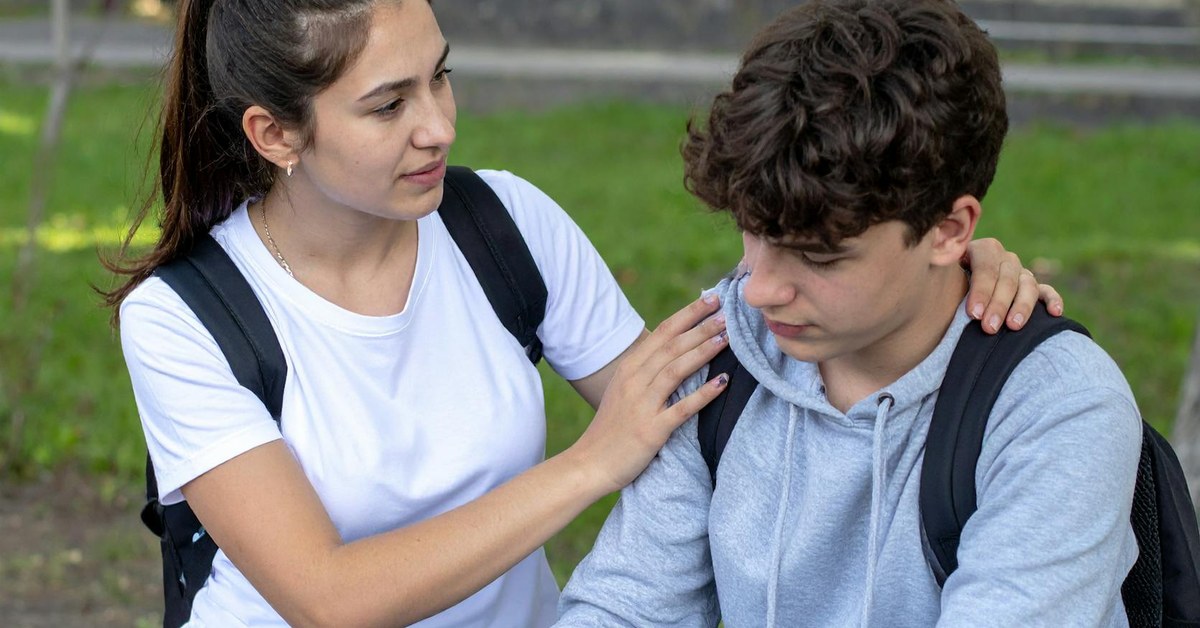

Teen Dating Safety: Helping Your Teenager Build Healthy
“A guide for parents on supporting teenagers through their first relationships, teaching them what healthy and unhealthy relationship dynamics look like, and recognising warning signs of teen dating abuse.”
Why Teen Dating Safety Matters
Romantic relationships are a natural and important part of adolescent development. Through dating, teenagers learn about intimacy, communication, compromise, and emotional vulnerability in ways that shape their relationship patterns for life. Most teenage relationships are relatively benign: awkward, intense, sometimes painful, but ultimately formative experiences.
However, research consistently shows that teen dating violence is significantly more common than most parents realise. Studies from multiple countries suggest that between 10 and 30 percent of teenagers experience some form of physical, emotional, or sexual abuse in a dating relationship before leaving school. Emotional abuse, including controlling behaviour, manipulation, jealousy, and isolation, is the most common form and the hardest to recognise.
The patterns young people develop in their first relationships often carry forward into adulthood. Teaching teenagers to recognise what a healthy relationship looks and feels like is one of the most protective things a parent can do.
What Healthy Teen Relationships Look Like
Help your teenager understand that a healthy relationship involves:
- Mutual respect. Both people treat each other with consideration, even during disagreements. Neither person mocks, dismisses, or belittles the other.
- Trust and honesty. Both partners are truthful with each other and trust each other without needing to monitor or control.
- Individual identity. Each person maintains their own friendships, interests, and family relationships. Neither person is expected to give up who they are.
- Equality. Decisions are made together. Neither person dominates or overrules the other consistently.
- Safety. Both people feel physically and emotionally safe. Neither person fears the other reaction to disagreement.
- Support. Each person is genuinely supportive of the other goals and wellbeing.
Signs of an Unhealthy or Abusive Relationship
Warning signs that a teenager relationship may be unhealthy or abusive:
- Their partner checks their phone, social media, or messages
- Their partner demands to know where they are at all times
- Their partner becomes angry or threatening when your teenager spends time with friends or family
- Your teenager is becoming increasingly isolated from their social circle
- They seem anxious, fearful, or distressed around or after contact with their partner
- They make excuses for their partner behaviour consistently
- Their partner puts them down, criticises them constantly, or undermines their confidence
- Their partner has pressured them regarding sexual activity
- There are unexplained injuries, or injuries explained in ways that do not add up
- Their partner threatens self-harm to prevent the relationship ending
Emotional abuse is often invisible to outsiders and can be hard for the teenager themselves to identify, particularly if controlling behaviour is framed as love, care, or jealousy. Young people who have not seen modelled examples of healthy relationships may not have a clear point of comparison.
Teen Dating Violence
Dating violence among teenagers includes physical violence, sexual coercion or assault, emotional and psychological abuse, and digital abuse such as harassment through messages, sharing intimate images without consent, or monitoring through apps. It is important to understand that these forms of abuse occur in relationships of all genders and sexual orientations, and that the vast majority of abusers are known to the victim, not strangers.
If you suspect your teenager is experiencing dating violence, their safety comes first. Approach them gently, without blame, and make clear that you are there to help. Avoid ultimatums that force them to choose between you and their partner immediately, as this can backfire and drive the relationship underground. Build trust and keep communication open.
How to Talk to Your Teenager About Relationships
Many parents find conversations about romantic relationships difficult. The following approaches tend to be more effective than formal lectures:
- Use films, television programmes, or books as conversation starters. When you see relationship dynamics portrayed, ask your teenager what they think about them: does that seem healthy to you? how do you think that person feels?
- Share your own experiences of relationships in age-appropriate ways, including challenges and things you have learned
- Ask genuine questions about their relationships with curiosity and without interrogation
- Make clear that you are a safe person to come to if something goes wrong, without fear of punishment or judgment
- Discuss consent clearly and repeatedly: both people need to actively want what is happening, and it is okay to change your mind at any point
Talking About Consent
Consent education is an important part of preparing teenagers for relationships. Key messages include:
- Consent must be freely given, reversible, informed, enthusiastic, and specific
- Silence, not saying no, or going along with something because you feel you have to is not consent
- Consent to one thing is not consent to everything else
- A person can change their mind at any point, and that must be respected
- Pressure, manipulation, or alcohol and drugs undermine genuine consent
These conversations are most effective when they begin well before relationships start, as part of an ongoing dialogue rather than a one-off talk.
Digital Safety in Teen Relationships
Digital behaviour is a significant dimension of teen relationships. Discuss:
- Sharing intimate images: once shared, images are impossible to fully control. What seems safe in a relationship may not be once the relationship ends.
- Tracking apps and location sharing: constant monitoring through apps is not a sign of caring but of control
- Pressure to share passwords or account access: this is a control tactic, not a demonstration of trust
- Harassment via messages or social media: this is abuse regardless of the medium
If Your Teenager Is in an Abusive Relationship
If you believe your teenager is in an abusive relationship, seek support from specialist services in your country that work with young people experiencing relationship abuse. Do not try to handle it alone. The most effective responses involve specialist knowledge of how young people are affected by relationship abuse and how to support them to safety. Domestic abuse helplines in most countries can also advise parents of teenagers in these situations.