Teenagers and AI Tools: How to Use Artificial Intelligence
AI tools are now part of everyday teenage life, from homework help to image generation. This guide explains the real risks, the genuine benefits, and how young people can use AI tools responsibly and critically.
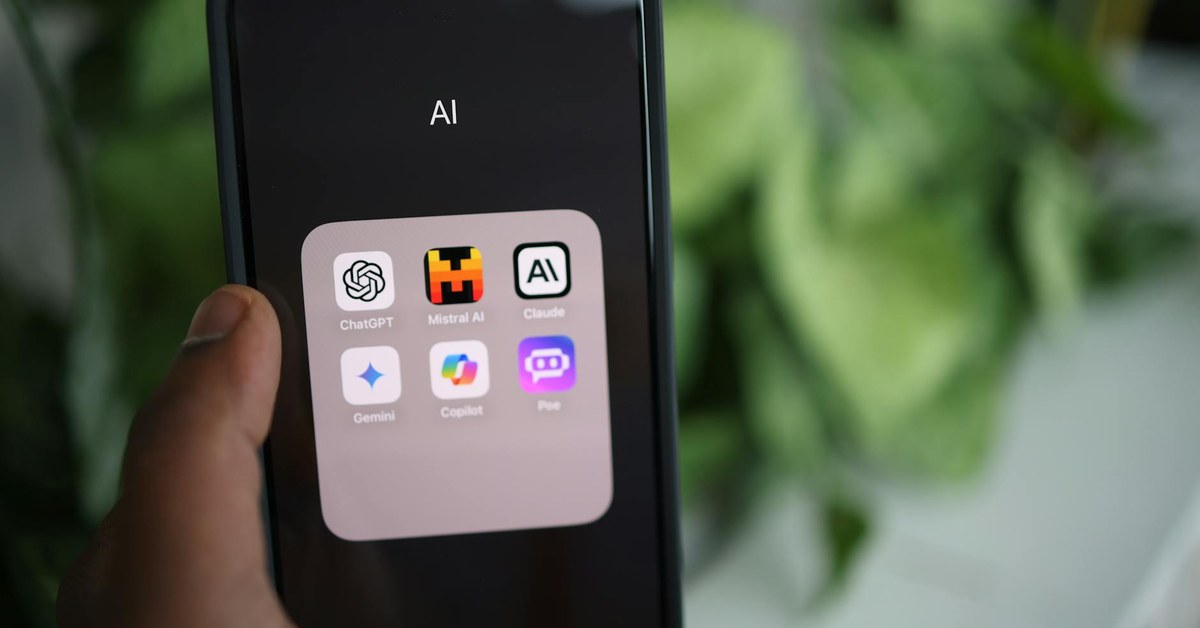

Teenagers and AI Tools: How to Use Artificial Intelligence
“AI tools are now part of everyday teenage life, from homework help to image generation. This guide explains the real risks, the genuine benefits, and how young people can use AI tools responsibly and critically.”
AI Is Already Part of Teenage Life
Artificial intelligence tools are no longer a futuristic concept for teenagers; they are part of daily life. Large language model chatbots, AI image generators, AI-powered writing assistants, recommendation algorithms, voice assistants, and AI-enhanced search tools are used by teenagers worldwide for schoolwork, creativity, entertainment, and social connection. The pace of development means that the AI landscape available to young people today is dramatically more capable than it was just a few years ago, and it will continue to evolve rapidly throughout their lives.
Understanding how to use these tools wisely, critically, and safely is therefore one of the most important digital literacy skills young people can develop. This guide covers the key risks and the practical habits that enable teenagers to benefit from AI while avoiding its most significant pitfalls.
The Benefits of AI for Young People
Before addressing the risks, it is worth acknowledging the genuine and significant benefits that AI tools offer young people. AI tutoring and explanation tools can provide personalised support for learning that is genuinely valuable, particularly for students who are struggling with a concept or who learn better through dialogue than through traditional instruction. AI writing tools can help students develop their ideas, improve their drafts, and understand good writing through example and feedback. AI image and creative tools open up creative possibilities for young people who have ideas they cannot realise through traditional skills alone.
The ability to use AI tools effectively is also increasingly a professional skill, and young people who develop both fluency and critical understanding of AI in their teenage years will be significantly better prepared for an employment landscape that is being reshaped by this technology.
Academic Integrity and AI
The most immediate AI-related concern for many families and schools is academic integrity. AI writing tools can produce text of sufficient quality that using them to complete assignments without disclosure constitutes a form of academic dishonesty in most educational contexts. Schools and universities worldwide are grappling with how to respond, with policies ranging from explicit prohibition to thoughtful integration.
Young people should understand that submitting AI-generated work as their own, without disclosure and in violation of the relevant academic policy, carries real risks: most educational institutions now have explicit policies, detection tools are improving, and the consequences of academic dishonesty can include grade penalties and in serious cases disciplinary action. Beyond the immediate consequences, the educational purpose of assignments is for the student to develop skills and knowledge; using AI to complete work defeats this purpose regardless of whether it is detected.
The more nuanced question of how AI can be used appropriately as a learning tool, rather than a work-replacement tool, is one that families and young people should navigate together, with an honest understanding of what their specific school's policies are and what actually serves the student's learning.
Privacy Risks of AI Tools
Many AI tools, including chatbots and image generators, collect and may use the conversations and inputs provided to them for training or other purposes. Young people who share personal information, intimate details, medical information, or identifying details with AI tools may be sharing that information with the platform and potentially contributing it to future training data.
Teenagers should be aware that conversations with AI chatbots are not truly private: they are typically stored, may be reviewed by platform employees as part of safety and quality processes, and in some jurisdictions may be subject to legal disclosure. The appropriate response is not to avoid AI tools but to apply the same privacy judgement to AI interactions as to other online interactions: avoid sharing personal identifying information, sensitive health or personal details, or information about others without their consent.
For students using AI tools for schoolwork, being cautious about sharing confidential information about other students or about specific situations that could identify real individuals is also important.
Misinformation and AI Hallucinations
Large language models, including the AI chatbots most commonly used by teenagers, are prone to a phenomenon known as hallucination: generating false information with apparent confidence and fluency. This can include fabricated facts, non-existent citations, incorrect dates, and plausible-sounding but entirely untrue claims. The fluency and confidence of AI outputs can make it difficult to distinguish accurate information from hallucinated content without independent verification.
Young people who use AI for research or fact-finding need to develop the habit of verifying AI-generated claims against authoritative sources before relying on them. Using an AI chatbot as a starting point for exploration and then checking its claims is a reasonable approach; using AI-generated content directly in academic work or treating its outputs as reliable factual information without verification is not.
This is a specific case of the broader media literacy skill of source evaluation: AI outputs should be treated as a source that requires the same critical evaluation as any other, not as a uniquely authoritative oracle.
Emotional Dependency and AI Relationships
AI companion and social chatbot tools, which simulate friendship, romantic relationships, or therapeutic support, have grown in availability and are used by some teenagers who are lonely, socially anxious, or seeking emotional support. These tools can provide a low-stakes, available, and patient form of interaction that some young people find genuinely comforting.
The concern is not that these interactions are valueless, but that dependency on AI for emotional support can reduce the motivation to develop real-world social skills and relationships, and that the apparent understanding and acceptance of AI companions is not grounded in genuine knowledge of the person. Real human relationships, with their difficulties and unpredictability, build capacities that AI companionship cannot replicate.
Teenagers who are using AI for significant emotional support should have access to real human connection and support as well. If a young person is relying primarily on AI for emotional needs, this is a signal that their real-world social and support needs are not being adequately met, which warrants attention in its own right.
AI-Generated Harmful Content
AI image and text generation tools can be used to create harmful content, including deepfakes, non-consensual intimate imagery, and extremist or hateful material. Most mainstream AI tools have safeguards against generating this type of content, but workarounds exist and the safeguards are imperfect. Young people who encounter or are targeted by AI-generated harmful content should know that the same response pathways apply as for other harmful online content: document, report to the platform, tell a trusted adult, and if necessary report to law enforcement.
Young people who are tempted to use AI tools to create harmful content about others should understand that this can constitute a criminal offence in many jurisdictions, carries serious consequences including civil and criminal liability, and causes real and lasting harm to its targets.
Developing Critical AI Literacy
The most valuable long-term investment for teenagers in relation to AI is developing critical AI literacy: an understanding of what AI tools are, how they work at a conceptual level, what they are good at, where they fail, and how their outputs should be evaluated. This is not about becoming a computer scientist, but about being an informed and critical user of tools that will be part of daily personal and professional life for the foreseeable future.
Young people who understand that AI reflects the biases present in its training data, that it optimises for plausibility rather than truth, that its outputs require verification, and that it is a tool rather than an authority, are equipped to use it beneficially while avoiding its most significant pitfalls. These are increasingly essential skills, and developing them during the teenage years provides a strong foundation for navigating a world in which AI's role will only continue to grow.