Uncovering Hidden Electrical Dangers: A Parent's Proactive Guide for Curious Children's Safety
Discover overlooked electrical hazards in your home. This guide helps parents proactively identify and secure hidden dangers, ensuring curious children stay safe from unseen risks.

Uncovering Hidden Electrical Dangers: A Parent's Proactive Guide for Curious Children's Safety
“Discover overlooked electrical hazards in your home. This guide helps parents proactively identify and secure hidden dangers, ensuring curious children stay safe from unseen risks.”
Children possess an insatiable curiosity, a drive to explore and understand their surroundings. While this inquisitiveness is crucial for development, it also means they often encounter hazards that adults might overlook. For parents, uncovering hidden electrical dangers curious children might encounter is a critical aspect of home safety, demanding vigilance and proactive measures to protect little ones from unseen electrical risks. Every year, countless children suffer injuries from electrical accidents, many of which are preventable with careful attention and proper childproofing.
Understanding the Risk: Why Electrical Safety is Paramount for Children
Electrical hazards pose a significant threat to children due as their small size, developing motor skills, and natural curiosity make them particularly vulnerable. They do not yet understand the concept of danger or the severe consequences of electricity. According to a report from Electrical Safety First, a UK charity, around 2.5 million UK homes have at least one electrical hazard, and hundreds of children are treated in hospitals for electrical shock or burns annually. While these figures are specific to the UK, similar challenges exist globally.
Children are prone to: * Exploring with their mouths: Toddlers often put objects into their mouths, including wires or small electrical components. * Poking fingers or objects into openings: Uncovered electrical outlets are a prime target for curious fingers or household items. * Pulling on cords: This can dislodge appliances, leading to injuries or exposing live wires. * Mimicking adults: Children observe adults using electrical devices and may try to operate them without understanding the risks.
“Children’s natural exploratory behaviour, combined with their lack of understanding about electrical current, creates a dangerous combination,” explains an electrical safety specialist. “Parents must act as the primary line of defence, anticipating potential risks before they become accidents.” The goal is not to stifle curiosity but to channel it safely, ensuring their environment is secure.
Key Takeaway: Children’s natural curiosity and lack of understanding about electrical hazards make them highly vulnerable. Proactive identification and mitigation of electrical risks are essential for their safety.
Common Overlooked Electrical Hazards in the Home
Many electrical hazards are not immediately obvious and can easily be forgotten during routine childproofing. Identifying overlooked electrical hazards kids might encounter requires a thorough, room-by-room inspection.
Here are some common areas and items to scrutinise:
- Behind Furniture and Appliances: Cords for televisions, computers, refrigerators, and washing machines often become tangled or damaged behind heavy items. Children might pull on these, creating trip hazards or exposing frayed wiring. Ensure cords are neatly organised and out of reach.
- Extension Cords and Power Strips: While convenient, these can become overloaded, overheat, and present a tempting target for curious hands. Avoid running them under rugs, which can cause overheating and damage. Consider using safety covers for unused sockets on power strips.
- Unused Outlets: Every uncovered electrical outlet is a potential danger. Even if an outlet is not currently in use, it is still live. Use tamper-resistant outlet covers or self-closing socket covers to prevent children from inserting objects.
- Small Appliances in Reach: Toasters, kettles, hair dryers, and irons can be pulled down by their cords, causing burns or head injuries. Always unplug and store these appliances immediately after use, well out of a child’s reach.
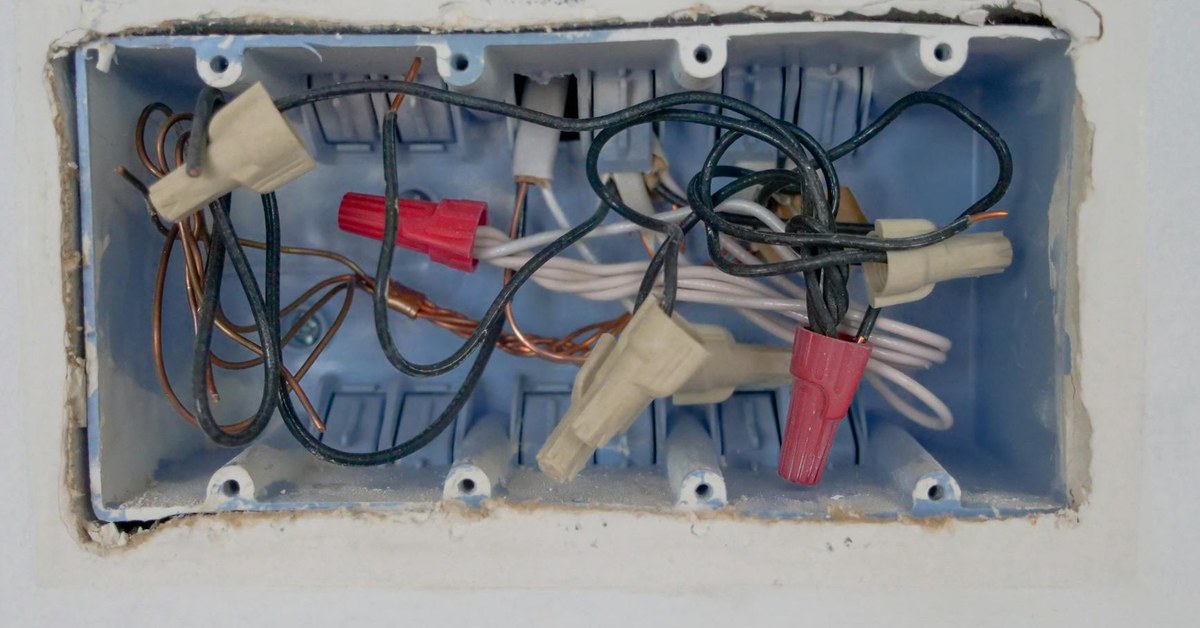
- Old or Damaged Wiring: Frayed cords, cracked insulation, or loose plugs are serious hazards. Regularly inspect all electrical cords and replace any that show signs of wear and tear.
- Lamps and Light Fixtures: Table lamps with accessible bulbs or unstable bases can be pulled over. Floor lamps with exposed wiring or easily reachable light switches can also be problematic. Ensure lamps are stable and cords are secured.
- Water and Electricity: Bathrooms and kitchens pose unique risks due to the presence of water. Ensure all electrical appliances are kept away from sinks, bathtubs, and showers. Consider having Residual Current Devices (RCDs) installed on circuits for added protection, which rapidly cut power if an electrical fault is detected.
- Electrical Boxes and Panels: While usually secured, ensure access panels for fuse boxes or circuit breakers are always locked or difficult for children to open.
Proactive Childproofing Strategies for Electrical Safety
Implementing proactive home electrical safety for children involves more than just covering outlets. It requires a holistic approach to minimise risks throughout the home.
Here are actionable steps you can take:
- Install Tamper-Resistant Receptacles (TRRs): These outlets have spring-loaded shutters that only open when both prongs of a plug are inserted simultaneously, preventing a child from inserting objects into a single slot. Many building codes now mandate TRRs in new construction, but older homes may benefit from retrofitting.
- Secure Cords and Wires: Use cord tidies, cable management boxes, or furniture clips to keep electrical cords neatly bundled and out of sight. Avoid letting cords dangle, especially near cribs or play areas. [INTERNAL: Childproofing Your Home: A Room-by-Room Guide]
- Unplug Unused Appliances: Make it a habit to unplug appliances like hair dryers, toasters, and chargers when not in use. This reduces the risk of accidental activation or a child pulling them down.
- Position Furniture Strategically: Place heavy furniture in front of outlets or use it to block access to entertainment centres where multiple cords converge.
- Consider Cordless Options: For certain devices, explore battery-operated or cordless alternatives to reduce the number of accessible electrical cords.
- Install Residual Current Devices (RCDs): These devices provide a high level of protection against electric shock by quickly cutting off the electricity supply if a fault is detected. They are especially crucial in areas near water like kitchens and bathrooms.
- Regularly Check for Damage: Periodically inspect all electrical cords, plugs, and appliances for signs of wear, fraying, or overheating. Replace damaged items immediately.
- Use Safety Locks on Appliance Doors: For appliances like washing machines or tumble dryers, consider safety locks to prevent children from climbing inside or tampering with controls.
Educating Your Child About Electrical Safety
While childproofing is essential, teaching children about electrical safety is equally vital as they grow. Age-appropriate education empowers them to recognise and avoid dangers.
- For Toddlers (1-3 years): Focus on simple “no” and redirecting their attention. Teach them that outlets and wires are “hot” or “ouchy” and not to be touched. Physically move them away from hazards.
- For Preschoolers (3-5 years): Explain in simple terms that electricity is powerful and can hurt them. Use analogies, like comparing electricity to a sleeping giant that should not be woken. Teach them never to touch exposed wires or put anything into an outlet.
- For School-Aged Children (6+ years): Explain the concept of electricity, how it travels, and the dangers of water and electricity mixing. Teach them to ask an adult for help with anything electrical and to report damaged cords or outlets. Discuss the dangers of climbing utility poles or playing near electrical substations.
“Learning through play can also be effective,” advises a child development expert. “Use picture books or simple stories to illustrate electrical safety rules without instilling fear. Emphasise that electricity helps us, but we must respect its power.”
Regular Inspections and Maintenance
Electrical safety is an ongoing process, not a one-time task. Regular inspections and maintenance are crucial to ensure your home remains safe as your children grow and their abilities change.
- Monthly Visual Checks: Quickly scan each room for new hazards, such as cords that have become exposed, outlet covers that have fallen off, or new appliances that need securing.
- Annual Professional Electrical Inspection: Consider having a qualified electrician conduct an annual inspection of your home’s wiring, outlets, and electrical panel. They can identify hidden faults, assess the condition of your electrical system, and recommend upgrades like additional RCDs or circuit breakers.
- Stay Updated: As children grow, their reach and capabilities change. Re-evaluate your childproofing strategies periodically. What was safe for a crawling infant may not be safe for a climbing toddler.
- Emergency Preparedness: Ensure your family knows how to react in an electrical emergency, such as a power cut or if an appliance sparks. Teach older children where the main circuit breaker is located and how to switch it off, but emphasise that only an adult should do so unless in an emergency. [INTERNAL: Family Emergency Preparedness Plan]
What to Do Next
- Conduct a Home Safety Audit: Walk through every room in your home, specifically looking for the overlooked electrical hazards mentioned, getting down to your child’s eye level for a different perspective.
- Purchase and Install Safety Devices: Invest in tamper-resistant outlet covers, cord tidies, and potentially RCDs, installing them immediately in high-risk areas.
- Educate Your Family: Begin age-appropriate conversations with your children about electrical safety and ensure all caregivers understand your home’s safety protocols.
- Schedule a Professional Check-up: If your home is older or you have concerns, book a qualified electrician for a comprehensive electrical safety inspection.
Sources and Further Reading
- Electrical Safety First: www.electricalsafetyfirst.org.uk
- World Health Organisation (WHO): www.who.int
- UNICEF: www.unicef.org
- Institution of Engineering and Technology (IET): www.theiet.org