Unlocking Calm: How Creative Arts Empower Pre-Teens to Effectively Manage Stress & Anxiety
Discover how creative arts like drawing, music, and writing can empower pre-teens to understand, express, and effectively manage their stress and anxiety.
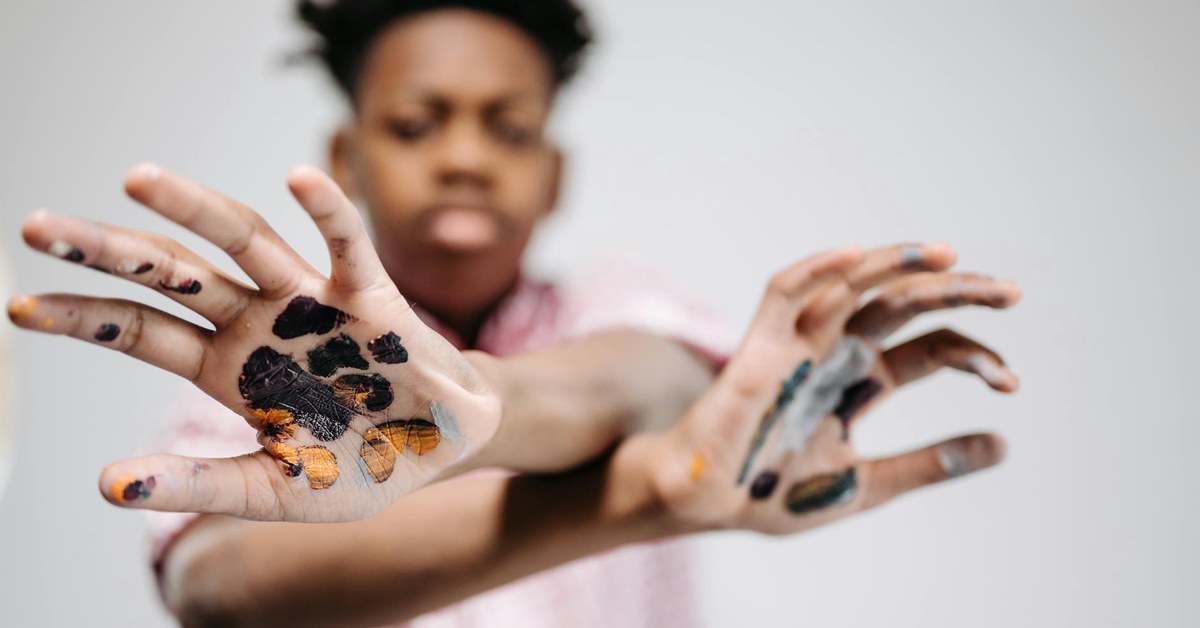

Unlocking Calm: How Creative Arts Empower Pre-Teens to Effectively Manage Stress & Anxiety
“Discover how creative arts like drawing, music, and writing can empower pre-teens to understand, express, and effectively manage their stress and anxiety.”
The pre-teen years, typically between ages 9 and 12, are a period of significant change, marked by academic pressures, social dynamics, and evolving self-identity. It is a time when many young people begin to experience stress and anxiety more intensely, often struggling to articulate their complex feelings. Thankfully, creative arts for pre-teen stress management offer a powerful and accessible pathway for children to understand, express, and effectively manage these emotions. Engaging with art, music, writing, or drama provides a safe, non-verbal outlet, helping pre-teens to navigate their inner world and build vital coping mechanisms.
Understanding Pre-Teen Stress and Anxiety
Pre-teens face a unique set of challenges that can contribute to heightened stress and anxiety. Academic expectations, peer relationships, social media pressures, and even global events can weigh heavily on their developing minds. According to a 2023 report by UNICEF, mental health conditions account for 13% of the global burden of disease in young people aged 10-19 years, highlighting the widespread nature of these issues. For pre-teens, stress often manifests as irritability, changes in sleep patterns, difficulty concentrating, or withdrawal from activities they once enjoyed. Recognising these signs is the first step towards offering support. [INTERNAL: recognising signs of pre-teen anxiety]
When children struggle to put their feelings into words, these emotions can become internalised, leading to further distress. This is where non-verbal communication, such as creative expression, becomes invaluable. “Pre-teens are often caught between childhood and adolescence; they may lack the sophisticated verbal skills to explain their anxieties, yet they feel emotions deeply,” notes an educational psychologist specialising in child development. “Creative outlets provide a bridge, allowing them to externalise what feels overwhelming inside.”
The Power of Creative Arts for Emotional Expression
Creative arts offer a unique therapeutic space for pre-teens, enabling emotional expression without the pressure of finding the “right” words. This process can be profoundly cathartic and empowering.
How Creative Arts Help Pre-Teens Manage Stress:
- Safe Outlet for Expression: Art provides a non-judgmental space to explore difficult emotions, allowing pre-teens to externalise feelings like anger, sadness, or fear in a controlled way.
- Distraction and Focus: Engaging in a creative activity can shift focus away from stressors, providing a mental break and promoting mindfulness.
- Problem-Solving Skills: The creative process itself involves decision-making and problem-solving, which can translate into better coping strategies for real-life challenges.
- Boosts Self-Esteem: Completing a creative project, no matter how simple, can foster a sense of accomplishment and competence, improving overall self-worth.
- Reduces Physical Tension: Activities like drawing, sculpting, or playing an instrument can release physical tension often associated with stress.
- Enhances Self-Awareness: Through creative work, pre-teens can gain insights into their own feelings, triggers, and reactions, leading to greater emotional intelligence.
Key Takeaway: Creative arts provide pre-teens with a vital, non-verbal language to process and communicate complex emotions, acting as a powerful tool for stress reduction and self-discovery.
Specific Creative Outlets and Their Benefits
Exploring various creative outlets allows pre-teens to find what resonates most with them. Each art form offers distinct benefits for managing stress and anxiety.
1. Visual Arts: Drawing, Painting, Sculpting
Visual arts are among the most accessible and popular forms of pre-teen anxiety creative outlets. They allow for direct, tangible expression.
- Drawing and Sketching: Provide a quick and easy way to externalise feelings. A pre-teen can draw a “worry monster” or illustrate a stressful situation, giving it form and making it less abstract. Simple sketchbooks and a variety of pencils or crayons are excellent tools.
- Painting: Offers a vibrant medium for expressing intense emotions. The act of mixing colours and applying them to paper can be very soothing. Watercolour paints are forgiving and easy to clean, making them ideal for younger pre-teens.
- Sculpting and Clay Work: The tactile nature of clay, playdough, or air-dry clay can be incredibly grounding. Manipulating material with hands helps release tension and can represent shaping or controlling difficult feelings.
Actionable Tip: Encourage your pre-teen to create a “feeling jar” by drawing or painting different emotions on small slips of paper and placing them in a jar. They can pick one out to discuss or reflect on their feelings.
2. Music and Movement: Playing Instruments, Dancing, Singing
Music has a profound impact on mood and can be a powerful emotional regulator.
- Playing an Instrument: Learning an instrument, even a simple one like a recorder, ukulele, or keyboard, provides focus and a sense of achievement. The rhythm and melody can be incredibly calming. According to a study published in the Journal of Adolescence, musical engagement can significantly reduce symptoms of anxiety and depression in young people.
- Singing: Expressing oneself through song can be liberating. Whether singing along to favourite tunes or creating their own, it offers an emotional release.
- Dancing and Movement: Physical expression through dance allows pre-teens to channel restless energy and stress into movement. It can be a solo activity or a group one, promoting both self-expression and social connection.
Actionable Tip: Create a “calm-down playlist” together, featuring music that helps your pre-teen relax or feel positive. Encourage them to move freely to the music whenever they feel overwhelmed.
3. Literary Arts: Writing, Poetry, Journaling
Writing provides a private and reflective space for processing thoughts and feelings. These emotional expression pre-teens techniques are particularly effective for those who enjoy introspection.
- Journaling: A personal journal offers a safe place to record thoughts, feelings, and experiences without judgment. It helps pre-teens identify patterns in their emotions and develop self-awareness. Generic, unlined journals and colourful pens can make this more appealing.
- Poetry: Writing poetry, even simple rhyming couplets or free verse, encourages creative language use to express complex emotions in a concise way.
- Storytelling: Creating fictional stories allows pre-teens to explore difficult themes or anxieties through characters and plots, often providing a sense of control over challenging situations.
Actionable Tip: Suggest a “worry dump” where your pre-teen writes down everything making them anxious, then tears up the paper or places it in a designated “worry box” to symbolically release those thoughts for a while.
4. Performing Arts: Drama, Puppetry, Role-Playing
Performing arts can help pre-teens explore different perspectives and develop social-emotional skills.
- Drama and Role-Playing: Acting out scenarios, whether real or imagined, can help pre-teens practice coping strategies and understand different emotional responses. It also builds empathy.
- Puppetry: Using puppets allows pre-teens to project their feelings onto a character, making it easier to discuss sensitive topics indirectly. Simple hand puppets or even socks can be used.
Actionable Tip: Encourage your pre-teen to create a short skit or puppet show about a situation that makes them nervous, allowing them to explore solutions in a playful, low-stakes environment.
Implementing Creative Arts at Home
Integrating art therapy techniques for kids stress into daily life does not require professional training; it simply requires encouragement and providing the right environment.
Here are practical steps for parents and carers:
- Create a Dedicated Space: Designate a corner or table where creative materials are easily accessible. This doesn’t need to be fancy; a clear surface and organised supplies are sufficient.
- Offer a Variety of Materials: Provide a range of art supplies: paper, pencils, crayons, paints, clay, musical instruments, journals. Let your pre-teen choose what appeals to them.
- Encourage, Don’t Direct: Avoid dictating what or how they should create. The goal is expression, not perfection. Praise effort and imagination over the final product.
- Participate Together: Sometimes, joining in can make it more inviting. Draw alongside them, listen to music together, or co-write a story.
- Listen and Validate: If your pre-teen chooses to share their creation, listen without judgment. Ask open-ended questions like, “Tell me about this picture,” rather than “What is this supposed to be?” Validate their feelings.
- Integrate into Routine: Suggest creative time as part of the daily routine, especially during periods of high stress, such as after school or before bedtime.
- Limit Screen Time: While digital art exists, hands-on creative activities often provide a more tangible and sensory experience, which can be particularly beneficial for stress reduction.
Remember, the aim is not to produce masterpieces but to provide an outlet for emotional processing and self-regulation.
Recognising When to Seek Professional Support
While creative arts are a powerful tool for managing everyday stress and anxiety, it is crucial to recognise when professional help may be needed. If your pre-teen’s stress or anxiety is persistent, severe, interferes with their daily life (school, friendships, sleep), or if you notice significant behavioural changes, it is important to consult a healthcare professional. Organisations like the NSPCC and YoungMinds offer valuable resources and guidance for parents concerned about their child’s mental health. A mental health professional, such as a child psychologist or therapist, can provide tailored strategies and support.
What to Do Next
- Start Small: Introduce one or two creative activities, such as keeping a simple journal or having a regular drawing session. Observe which activities your pre-teen gravitates towards.
- Provide Resources: Ensure easy access to basic creative materials. This could be a dedicated art box, a blank notebook, or a simple musical instrument like a recorder.
- Model Healthy Coping: Share your own healthy ways of managing stress, demonstrating that it is normal to have difficult feelings and important to find ways to cope.
- Educate Yourself: Learn more about typical pre-teen development and signs of stress and anxiety. Resources from organisations like WHO and UNICEF can offer further insight.
- Stay Connected: Maintain open lines of communication with your pre-teen, letting them know you are there to listen and support them, both in their creative endeavours and their emotional life.
Sources and Further Reading
- UNICEF: The State of the World’s Children 2021: On My Mind - Promoting, protecting and caring for children’s mental health. https://www.unicef.org/reports/state-worlds-children-2021
- World Health Organisation (WHO): Adolescent mental health. https://www.who.int/news-room/fact-sheets/detail/adolescent-mental-health
- NSPCC: Worries about mental health. https://www.nspcc.org.uk/keeping-children-safe/childrens-mental-health/
- YoungMinds: Children and young people’s mental health. https://www.youngminds.org.uk/
- Journal of Adolescence: Research on music and mental health (specific articles may vary, search for “music therapy anxiety adolescence”).